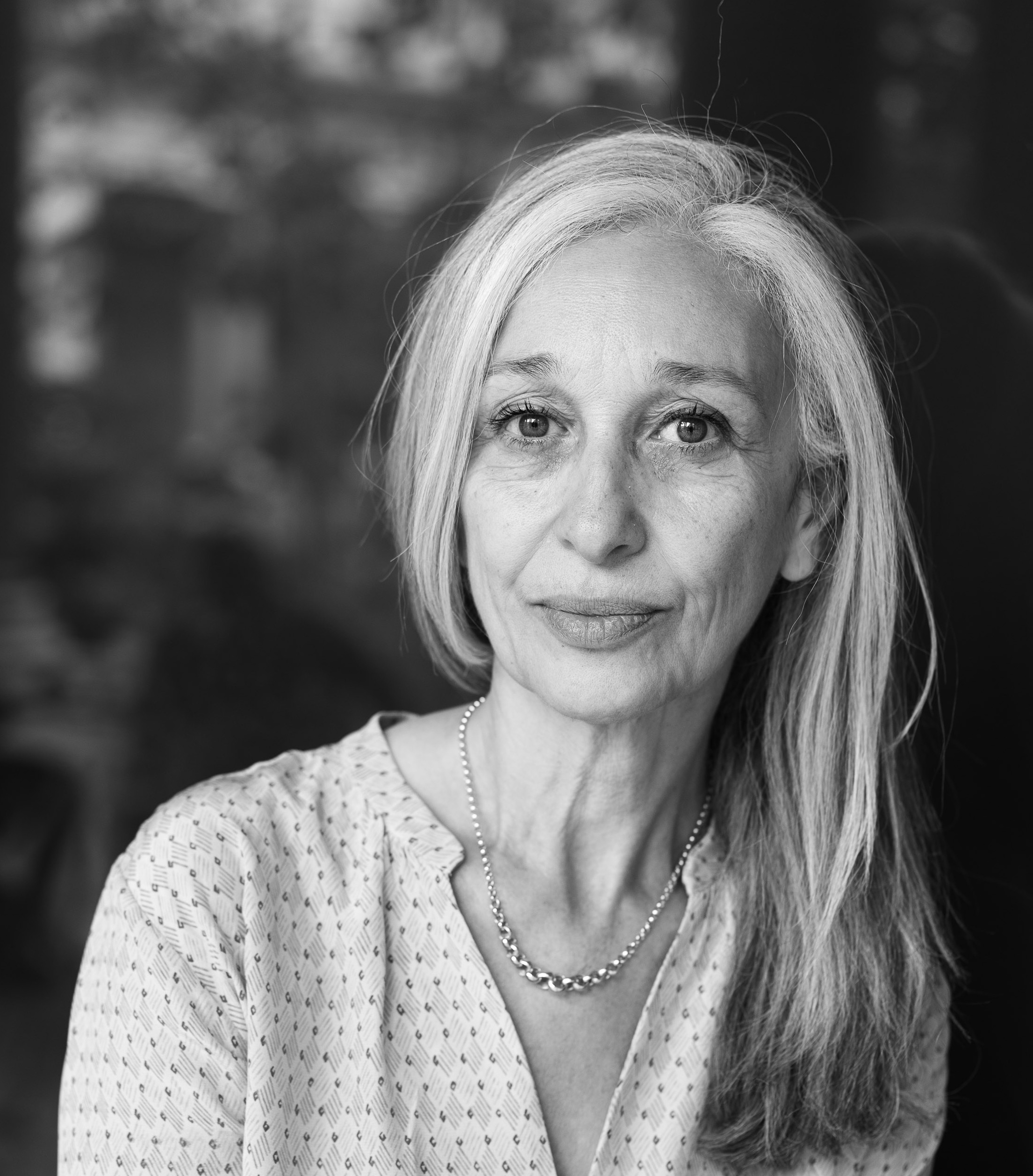
BENNECIB Jeannine
« Memory buried (Mémoire enTerre) »
Biography:
Jeannine Bennecib is a French photographer, based in Paris. Her years spent traveling and living abroad nurtured, early on, an intimate relationship with photography as a way of reaching out to others and bearing witness to the world.
She trained in photography at the SPEOS school in Paris and at the ICP in New York, specializing in portraiture and documentary photography, which she further developed through training in alternative photographic processes.
She works on long-term projects on the theme of exile and memory, in echo of her own family history — that of her parents, forced to leave Algeria at the end of the war of independence. She has notably directed a documentary short film on Indian pastoral women, and collaborated on a photographic project on exiled Syrian women living in the Bekaa camps in Lebanon, presented at an exhibition in Rome, Italy.
Her work, guided by an intimate approach, is at once conceptual and documentary, combining contemporary photography with archival images and vernacular photographs that she transforms for her own purposes. She explores the territorial and emotional fractures that shape lives and trajectories, the brutal and irreversible crossing of time and space.
Transmission, at the heart of her work on family memory, extends into her teaching practice: she founded an association through which she leads artistic workshops for young children, combining photography, art, and poetry — convinced that the gesture of passing something on is cultivated as much behind the lens as in front of it.
For her, art is a powerful agent of transformation; by making visible what lies in the shadows, art pushes us to question our perceptions and challenge our assumptions.
France
https://jeanninebennecib.com
https://instagram.com/jeanninebennecib
Memory buried (Mémoire enTerre)
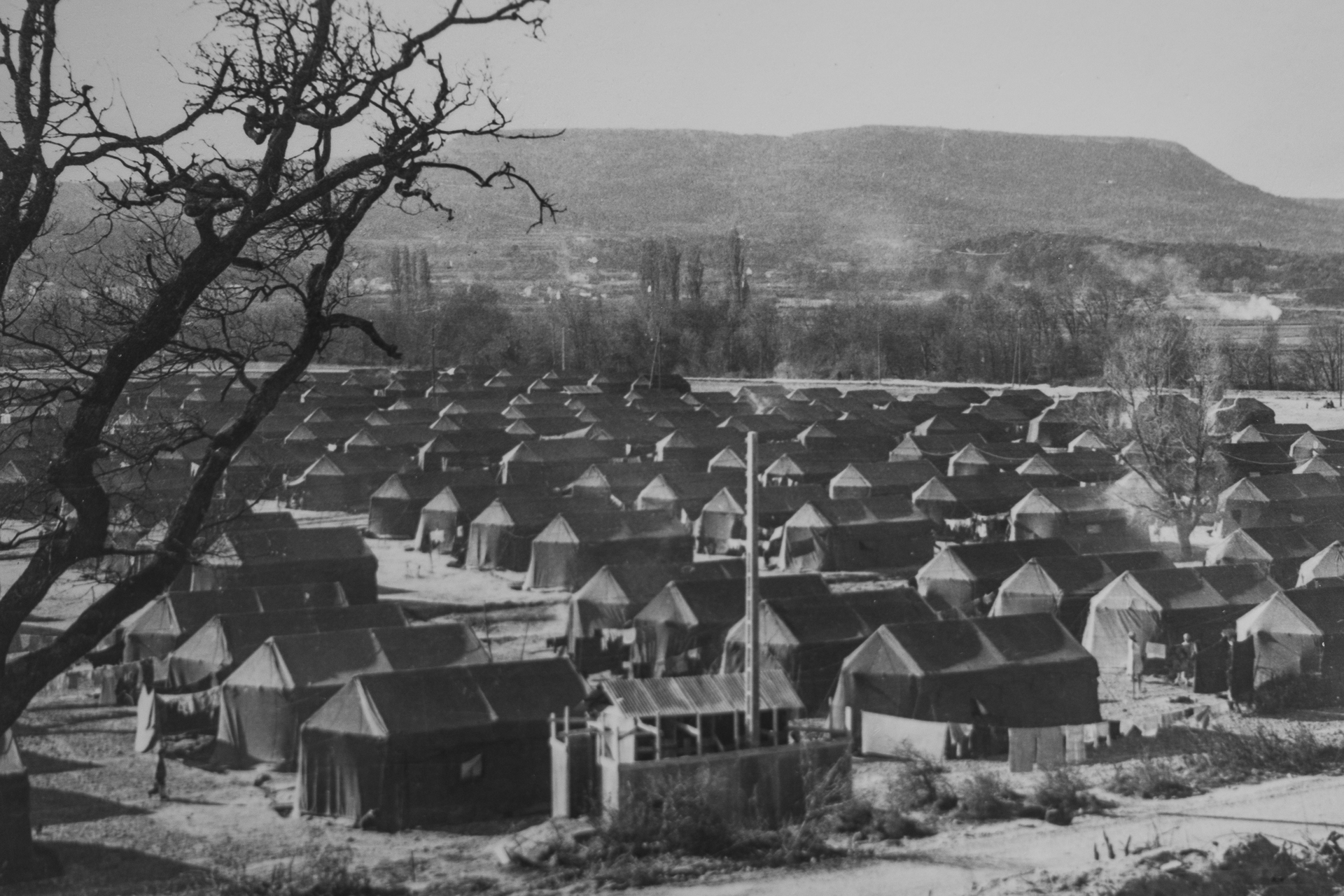
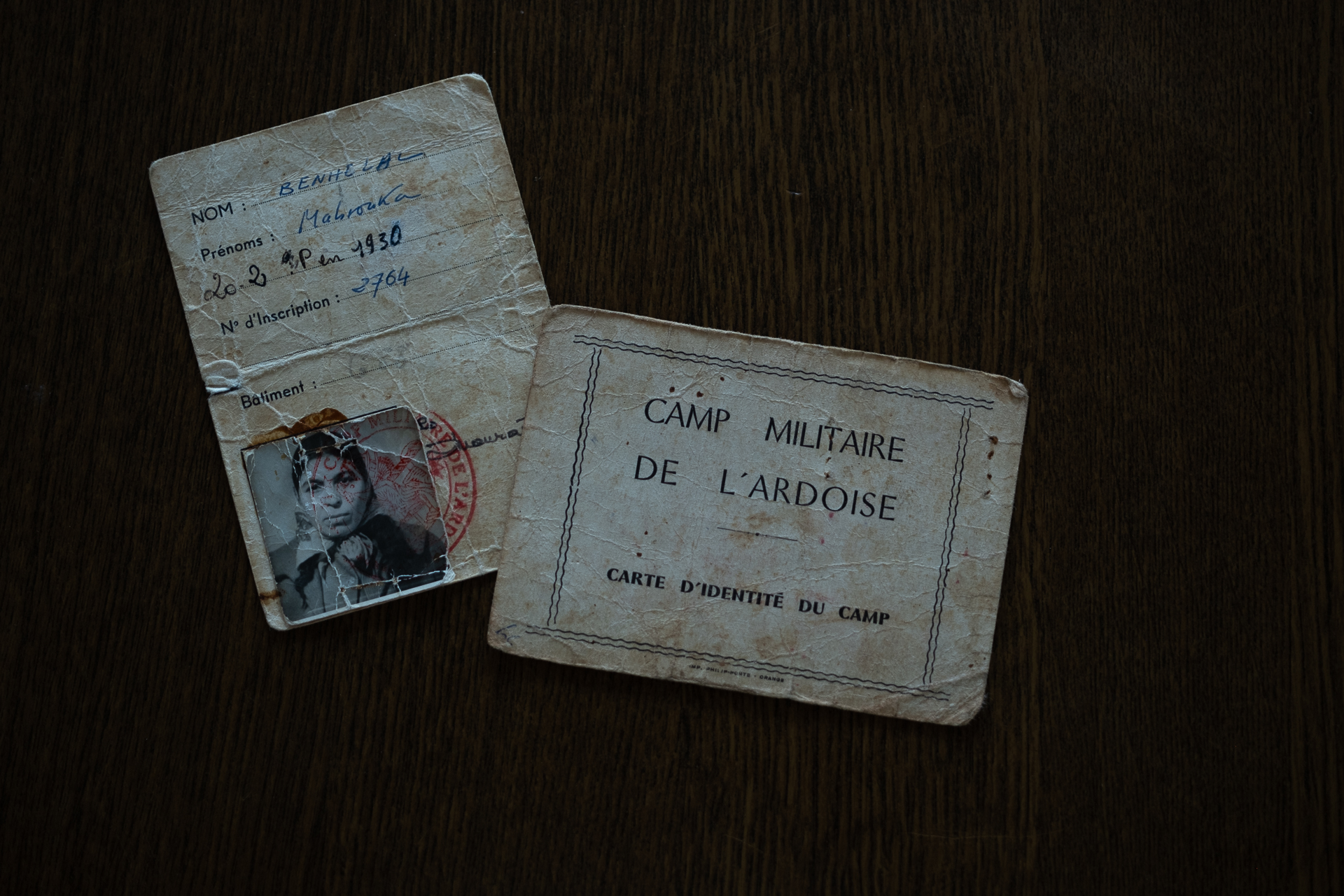
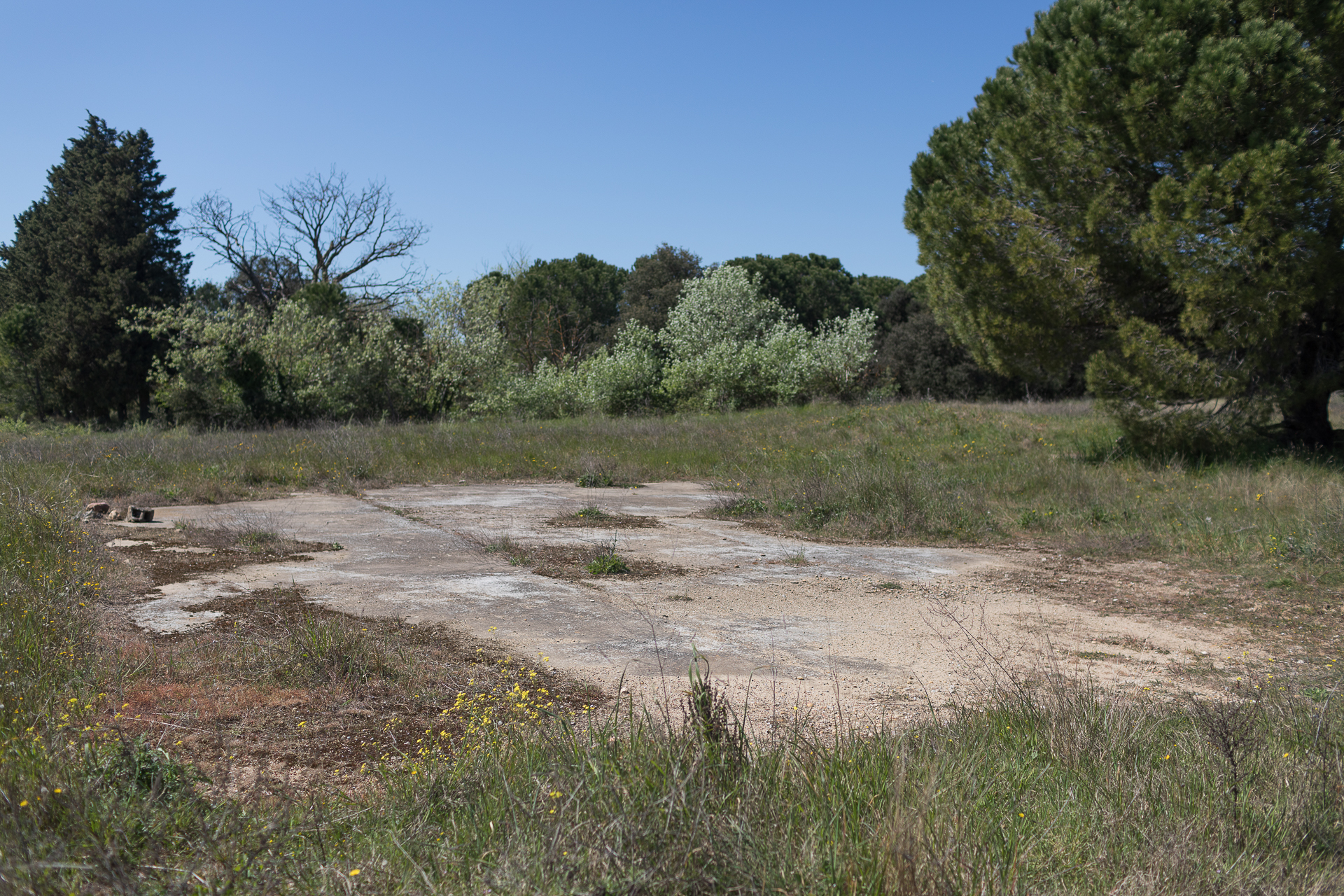
On November 17, 1962, my parents and my three siblings arrived at the military camp of Saint-Maurice-l’Ardoise, twenty kilometers from Avignon, in France. They spent the following months living in a tent, with almost nothing, through the coldest winter of the century.
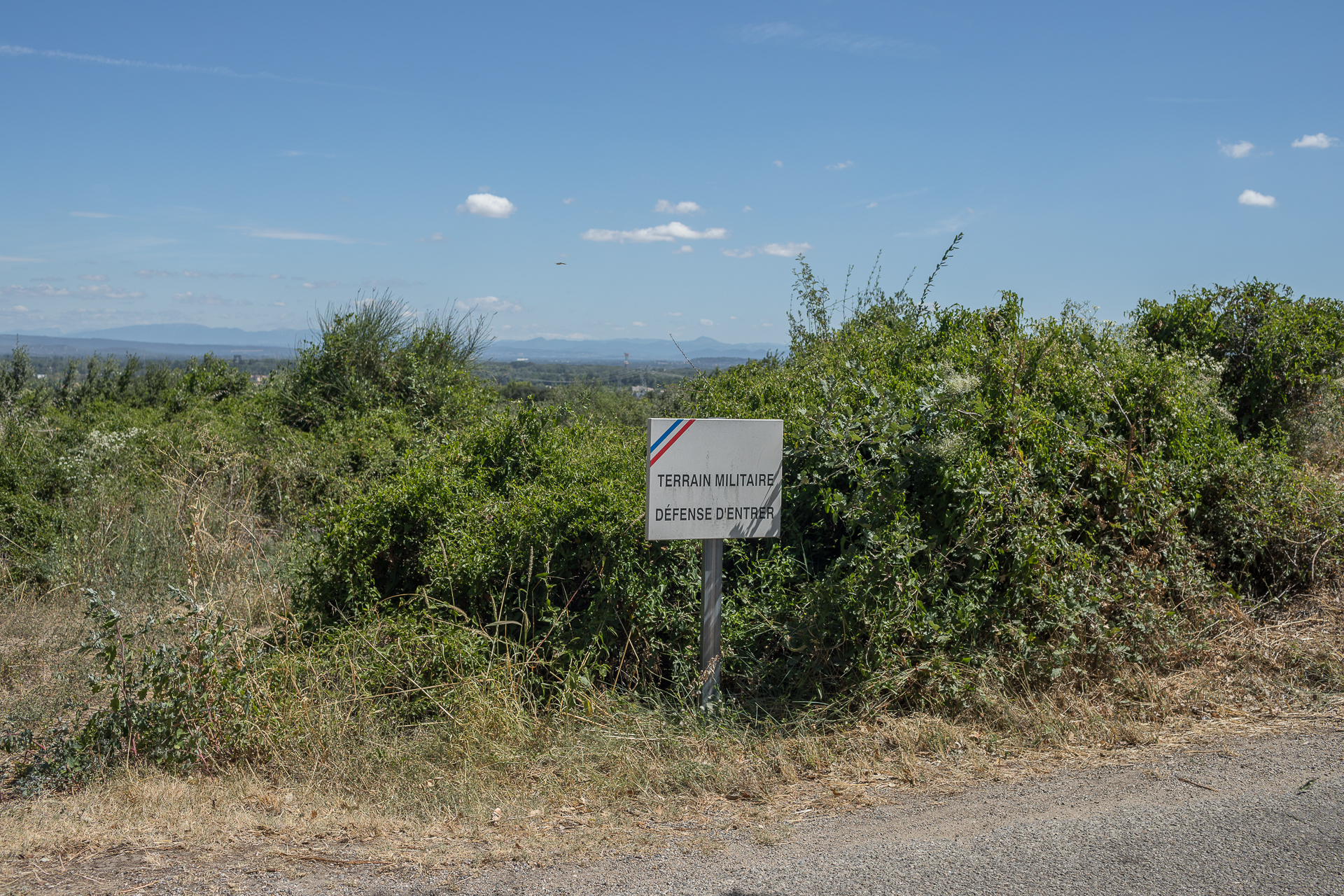
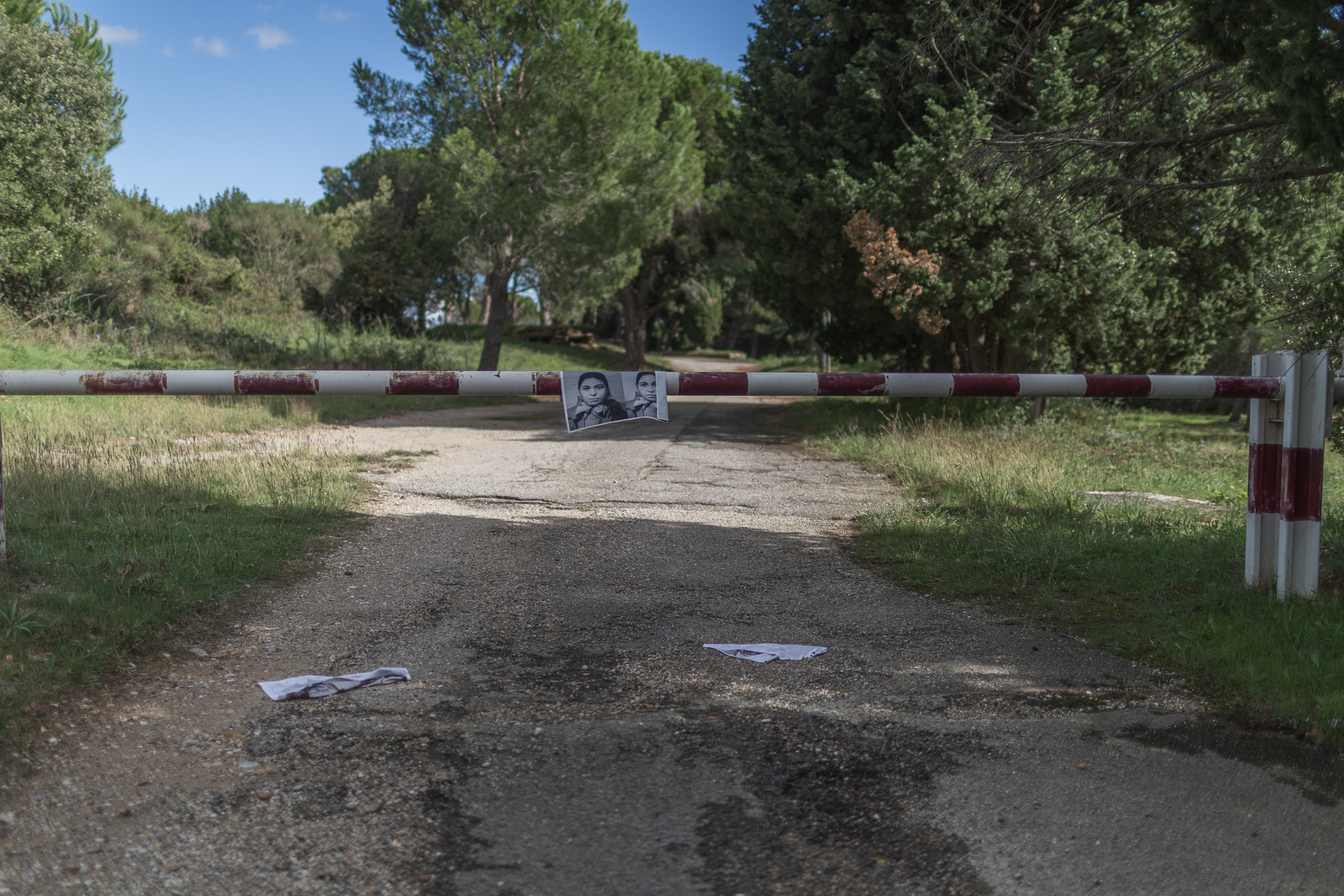
My mother said the name of that place so often that for years I carried it as a story with no location. Then I stepped over the barrier that now marks the site, and the story finally had somewhere to rest.
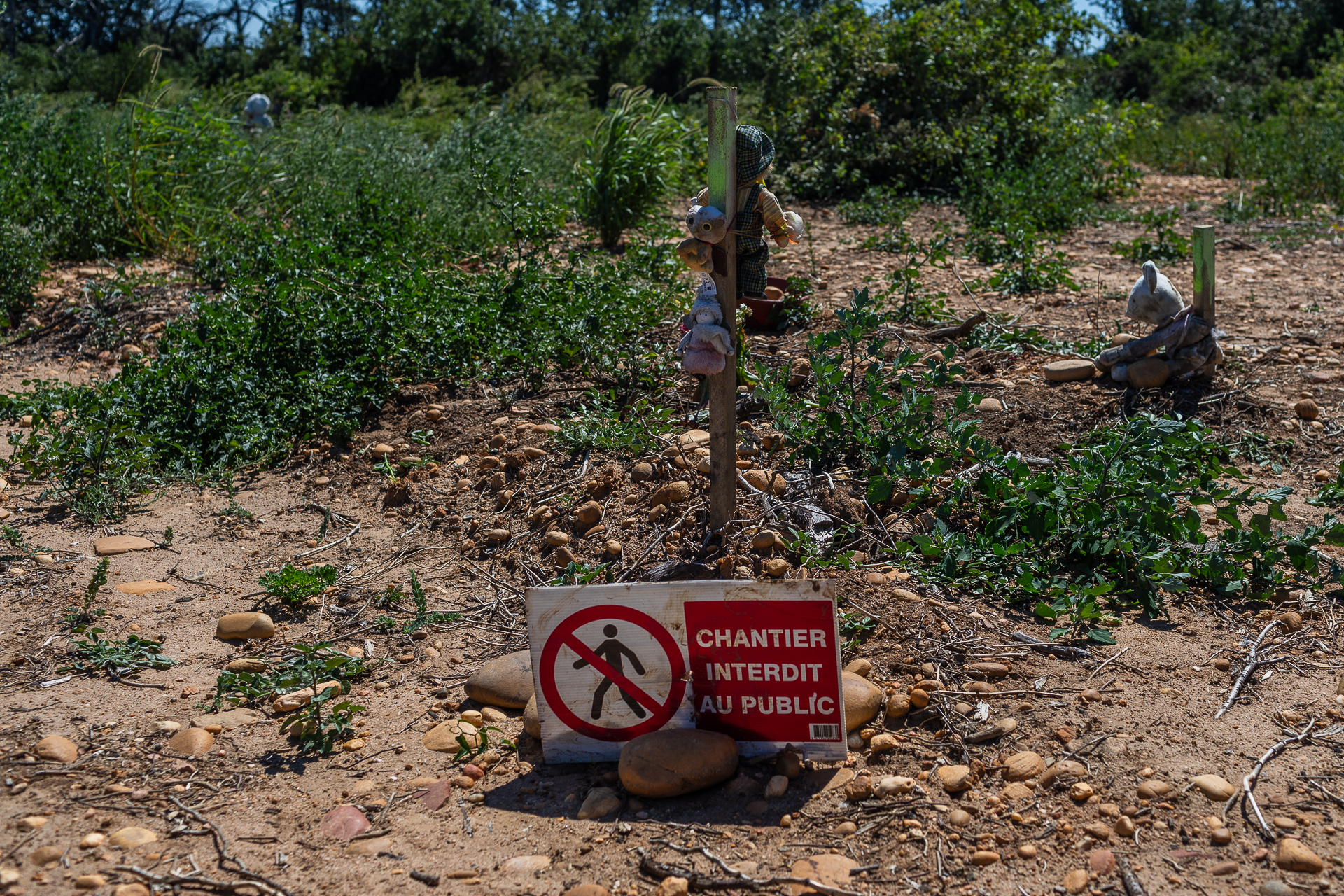
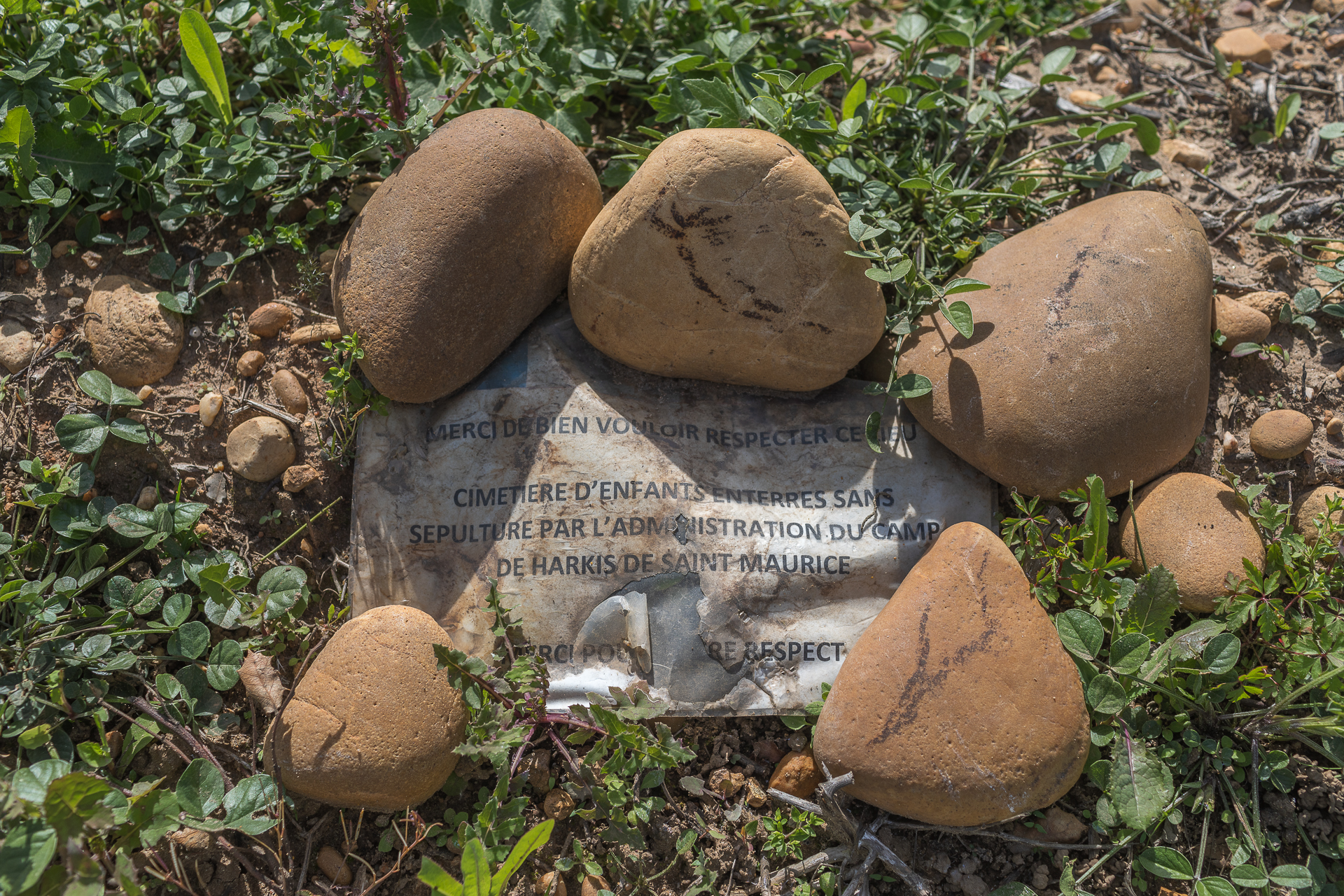
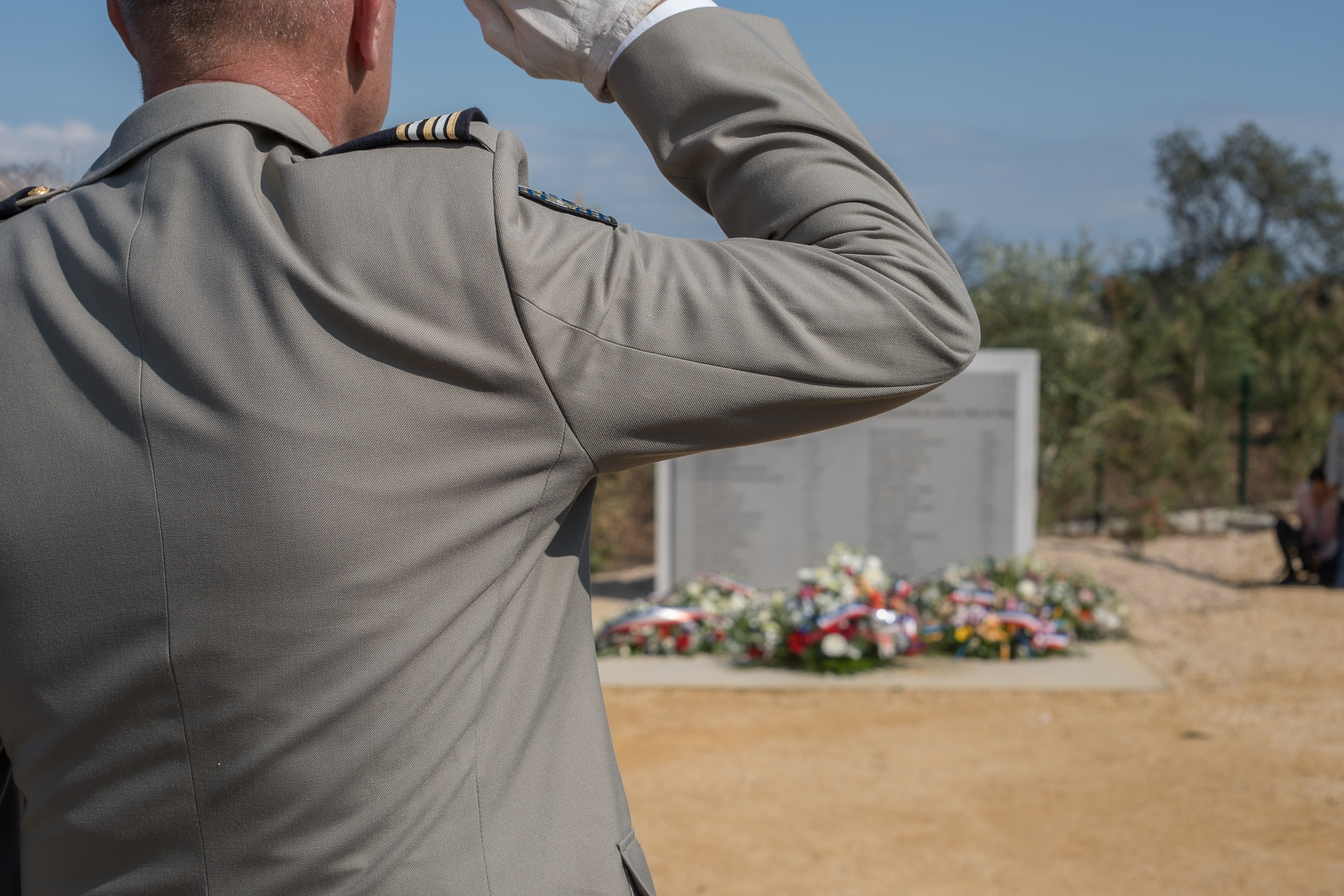
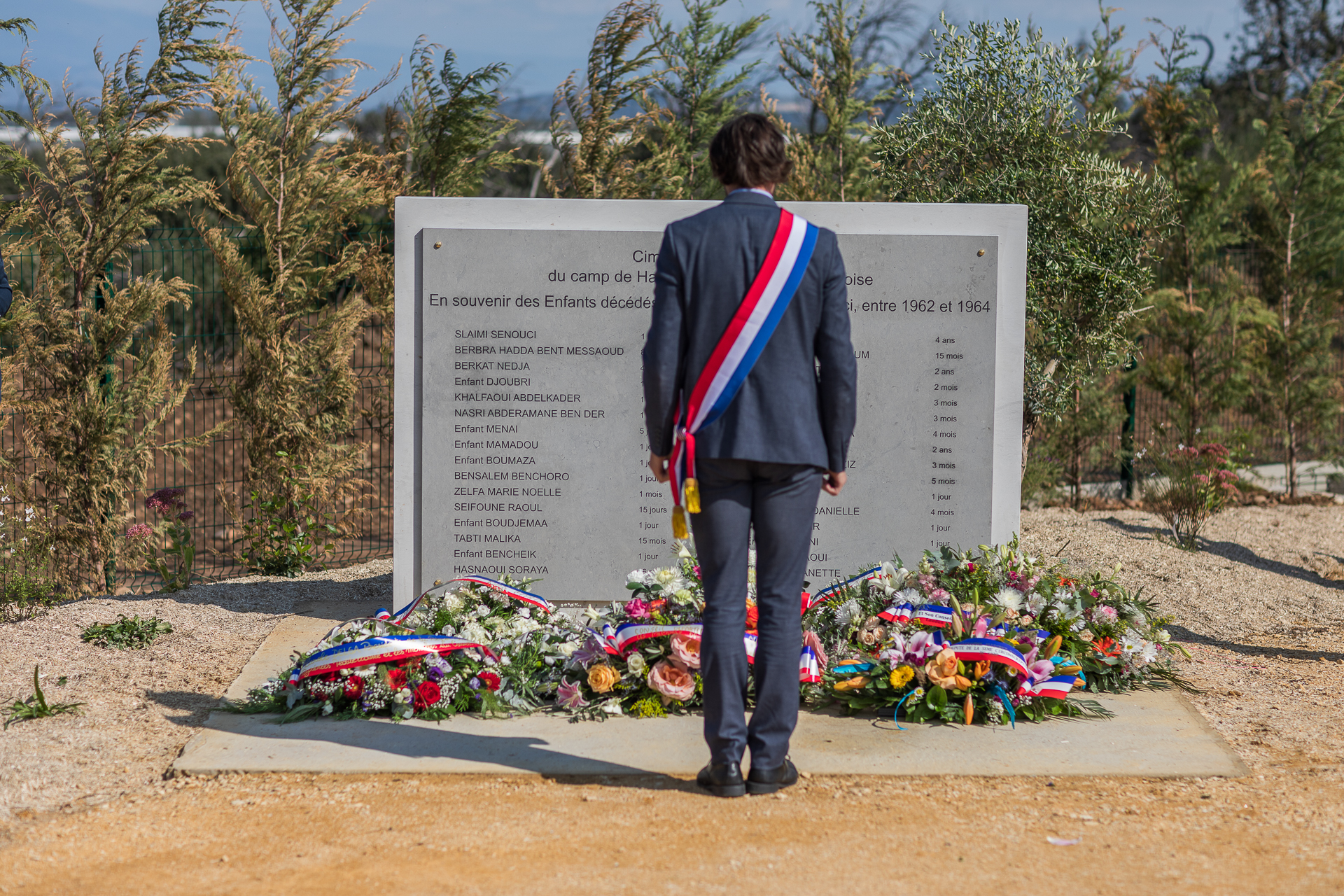
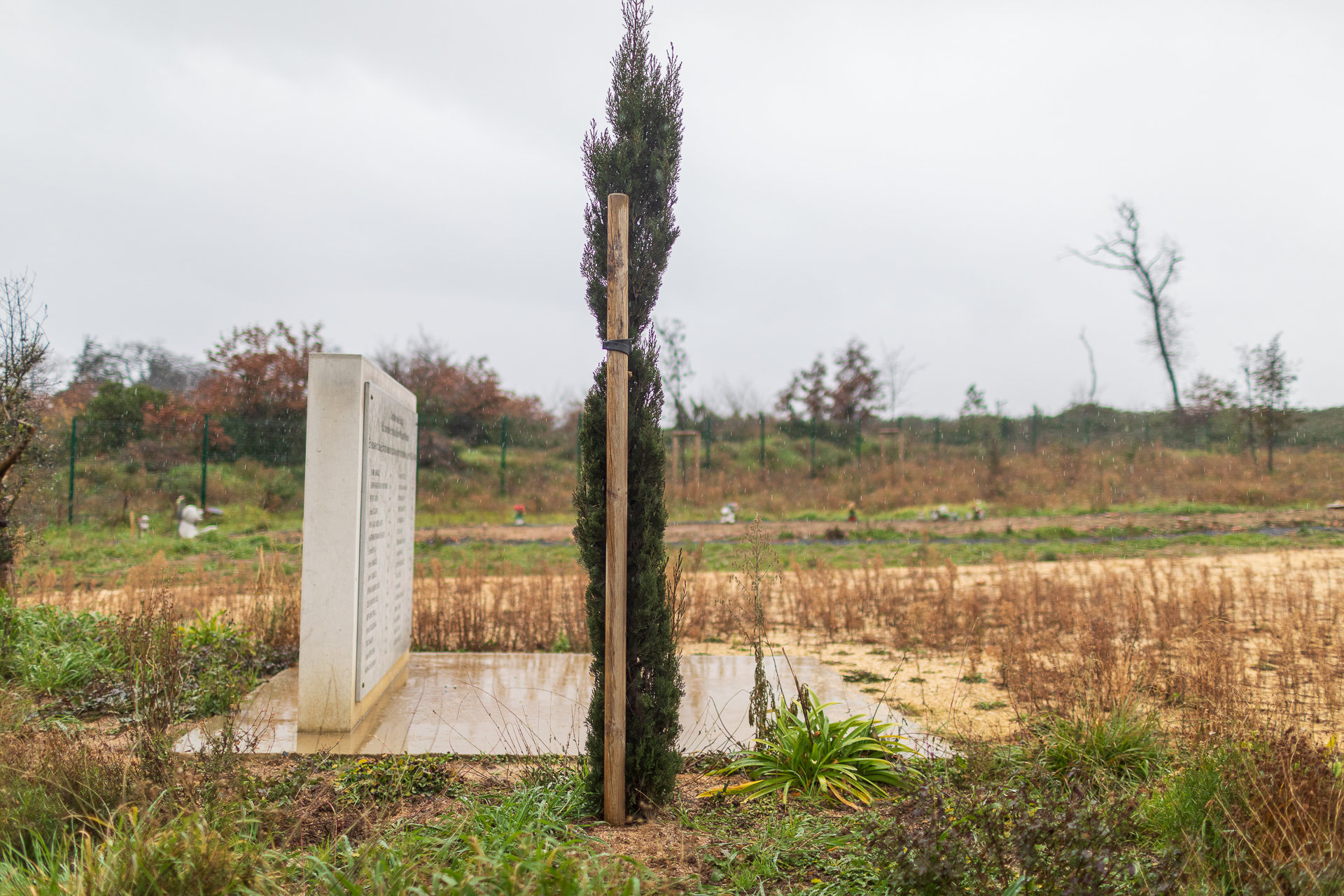
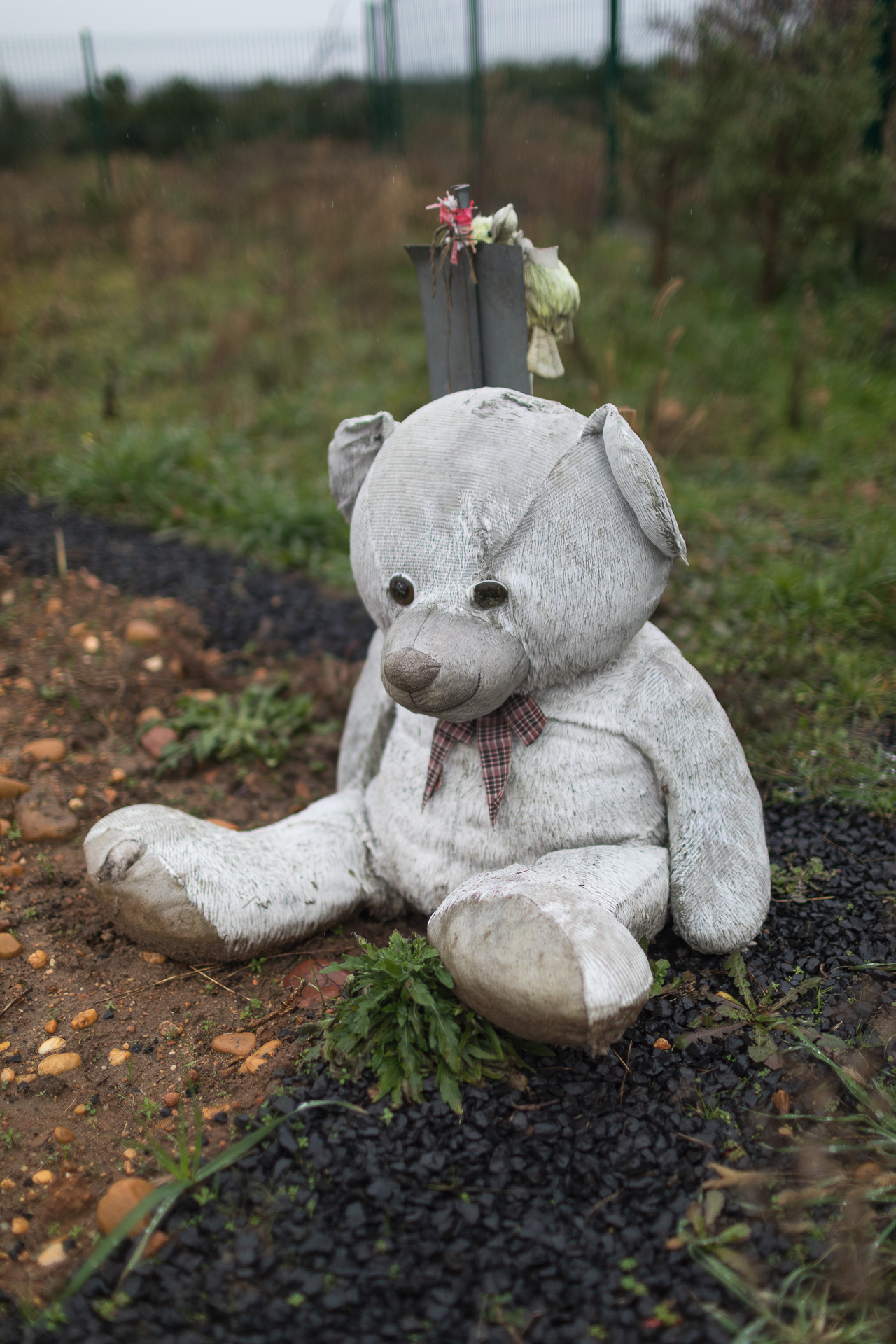
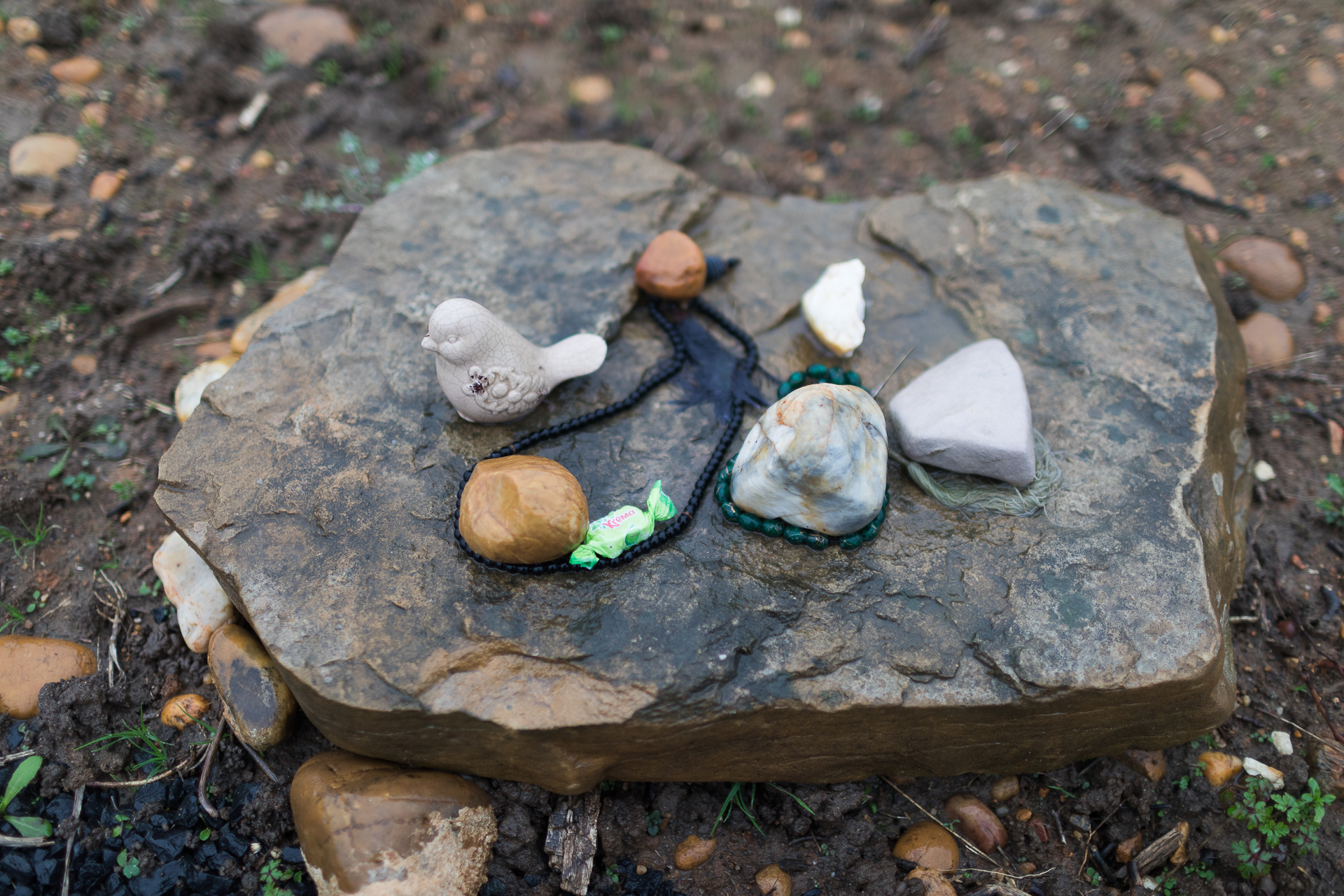
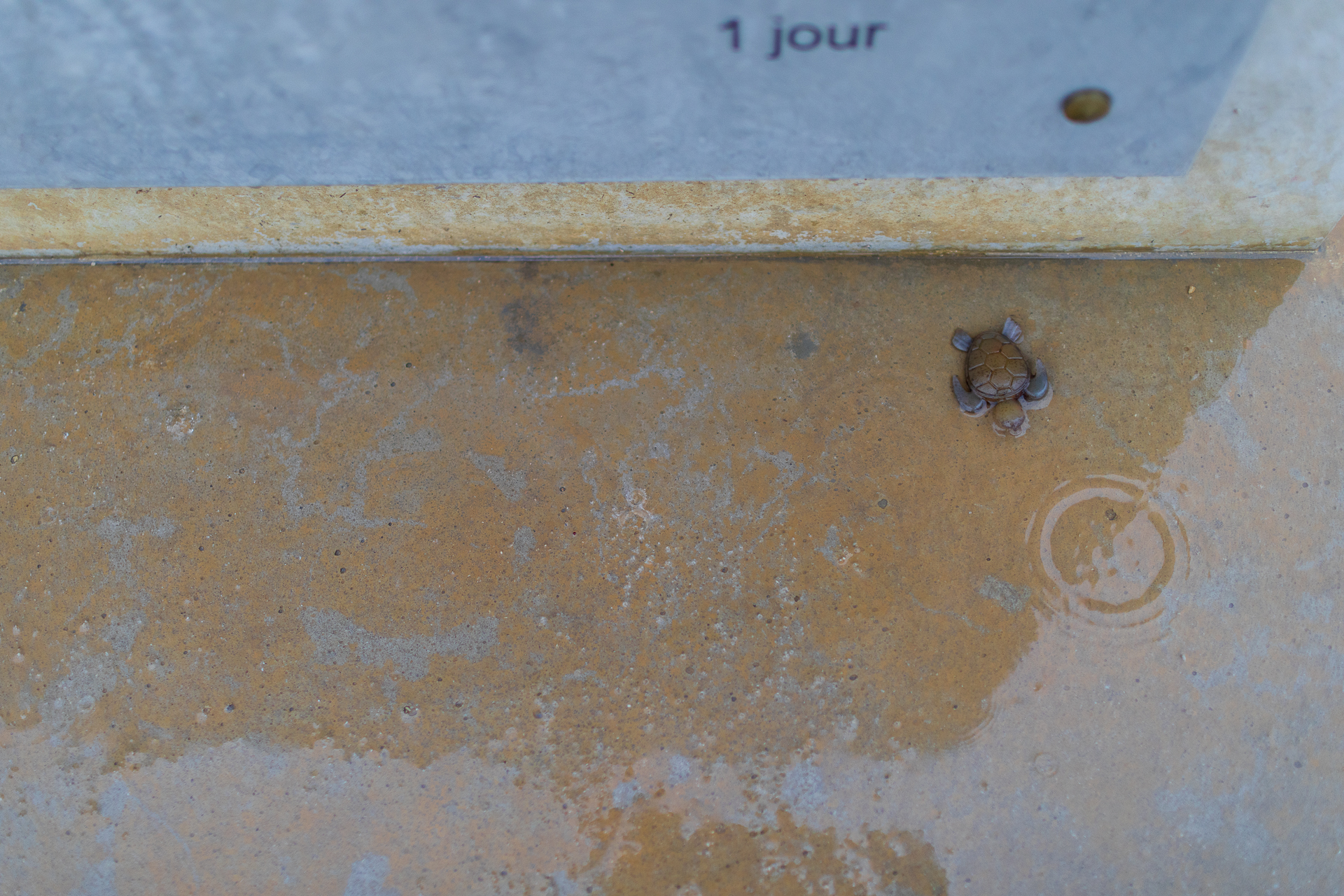
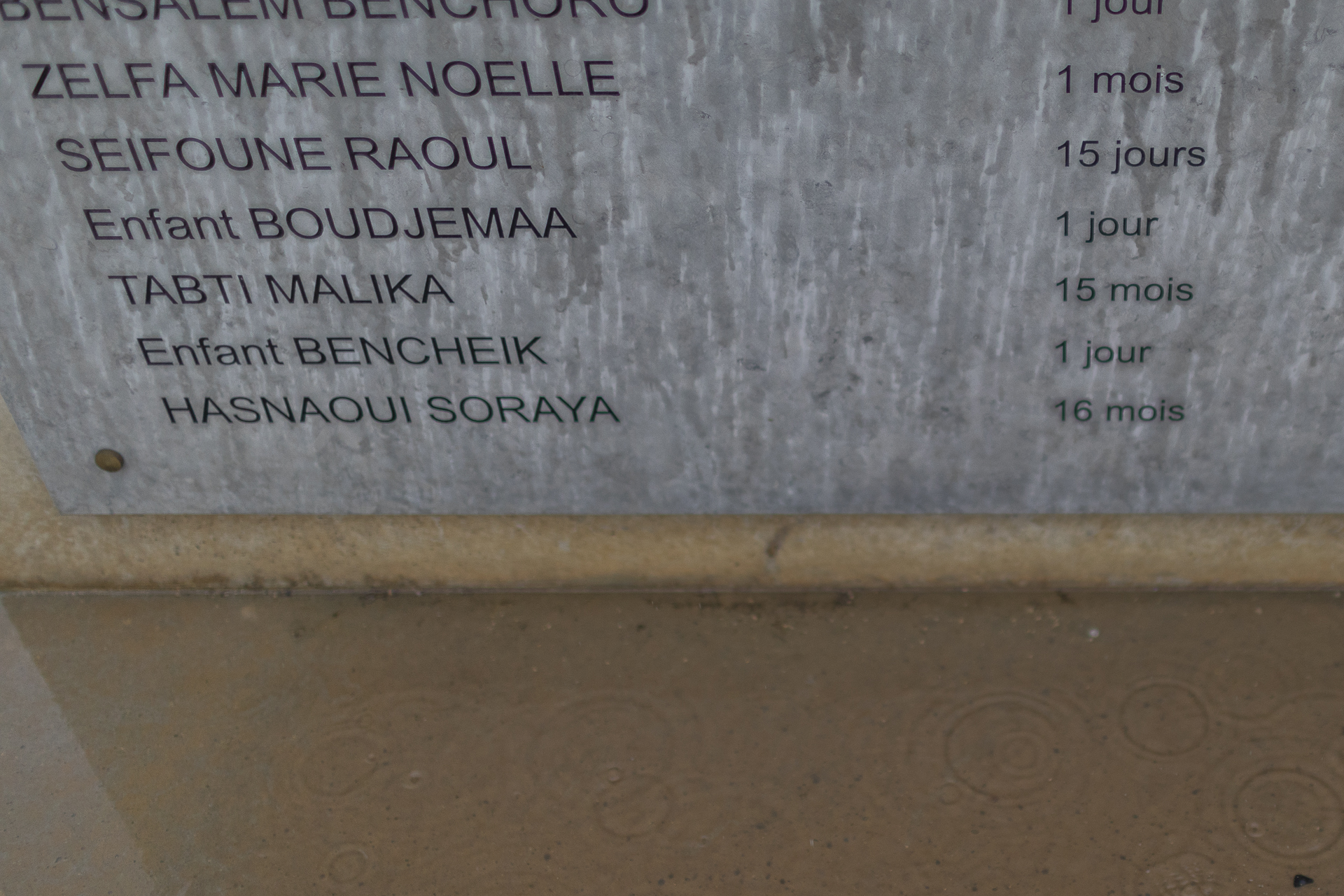
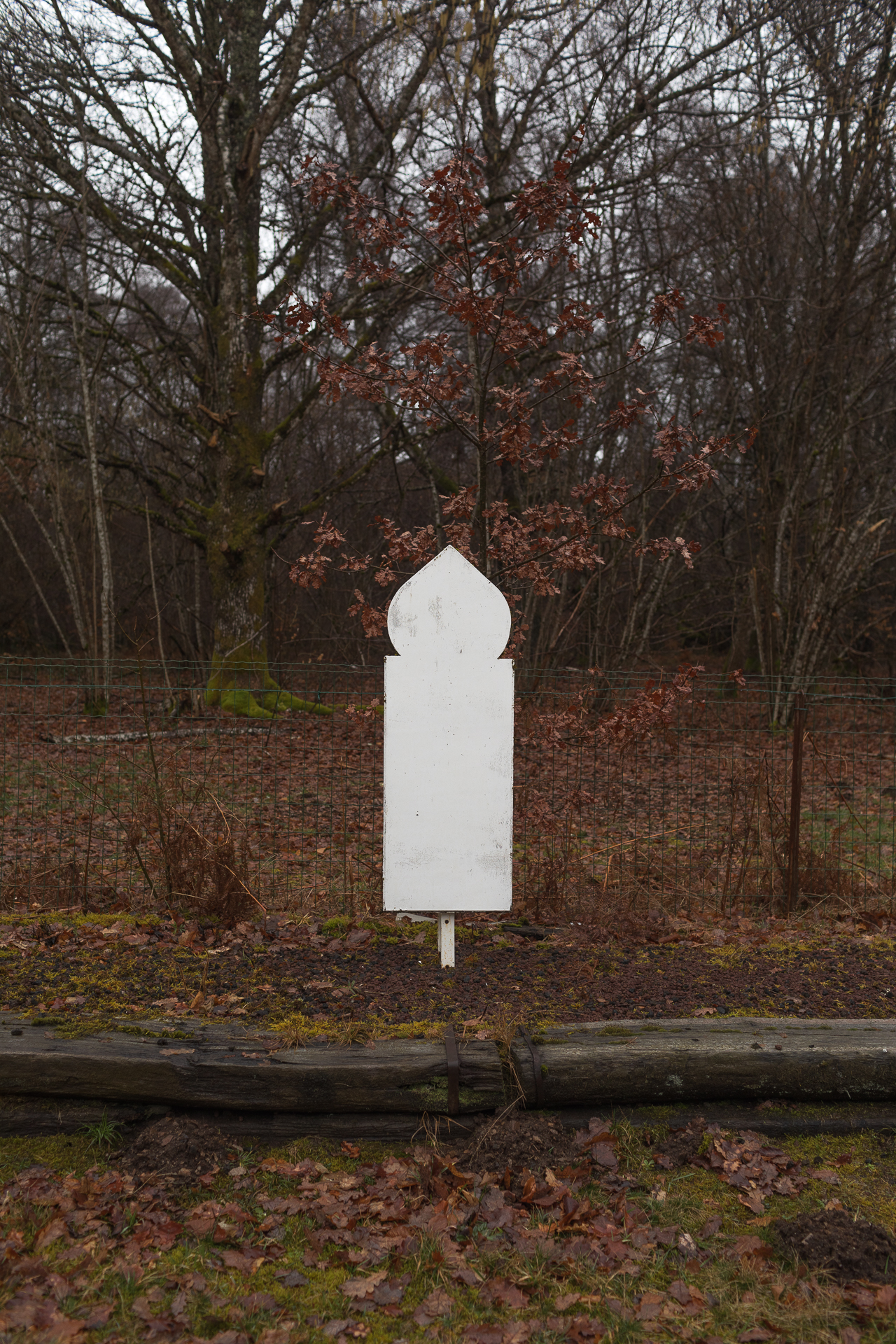
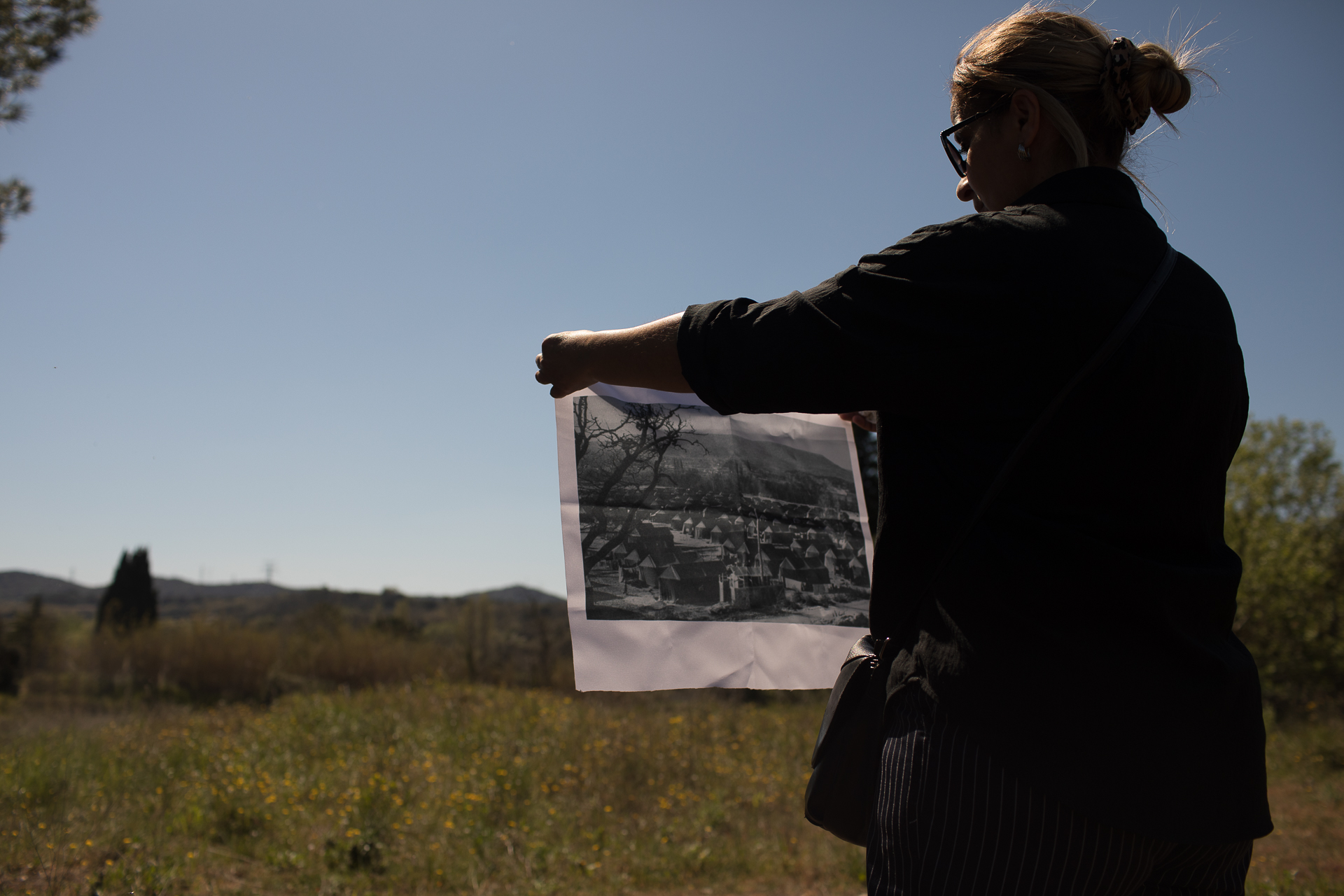
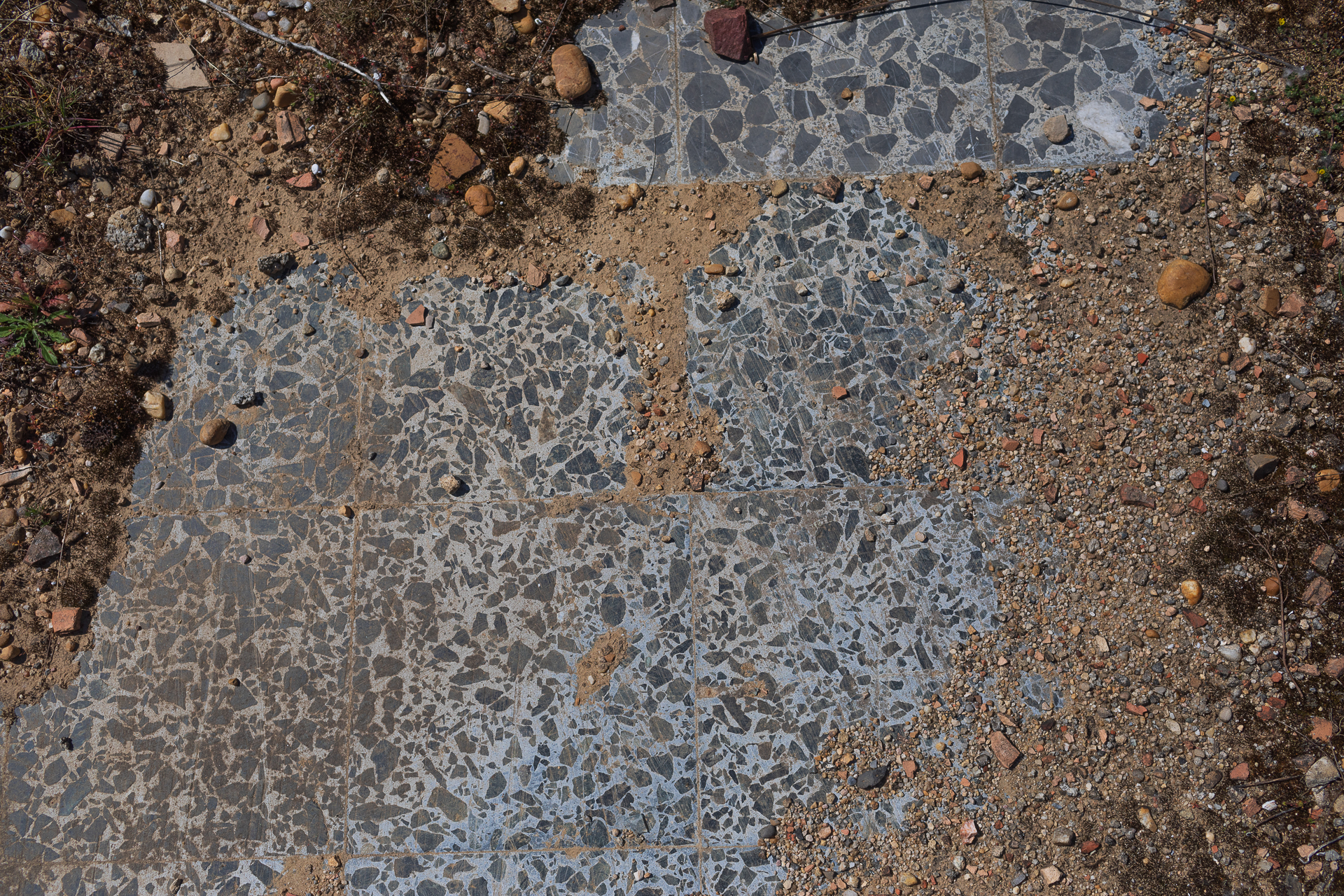
I call what I found Terrimoire, a word I made up by joining territoire and mémoire, because no existing word seemed to capture how the earth keeps the memory of the people it once held. The land has gone back to being fields, woods and a military training ground. Beneath it lie the traces of a period that official History has long since closed, but that the soil never let go of: the remains of a place where people lived and, found only in 2019, a children’s cemetery. These children died in the camp between 1962 and 1964. They were buried without graves and forgotten for sixty years, until a stele gave them back their names.
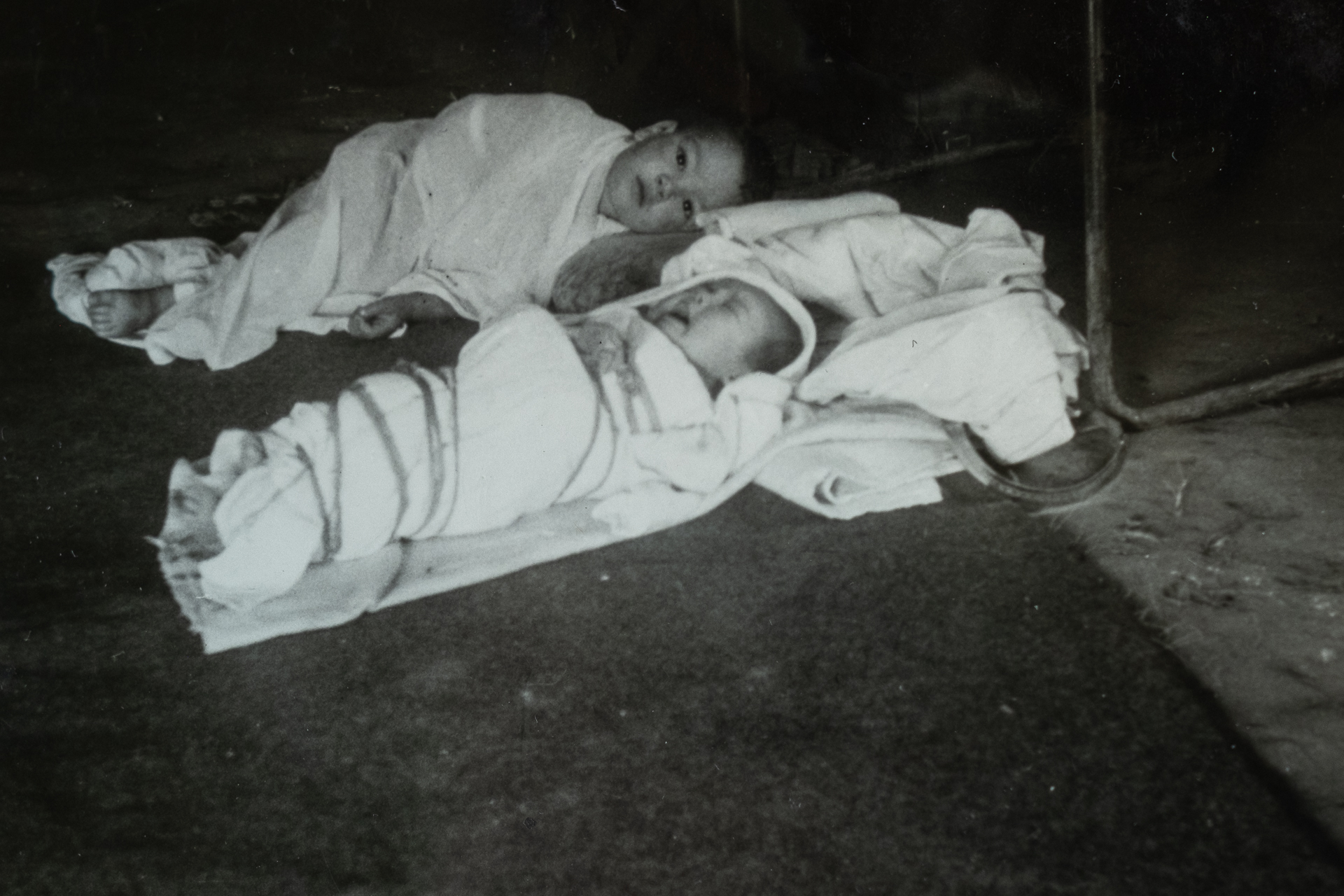
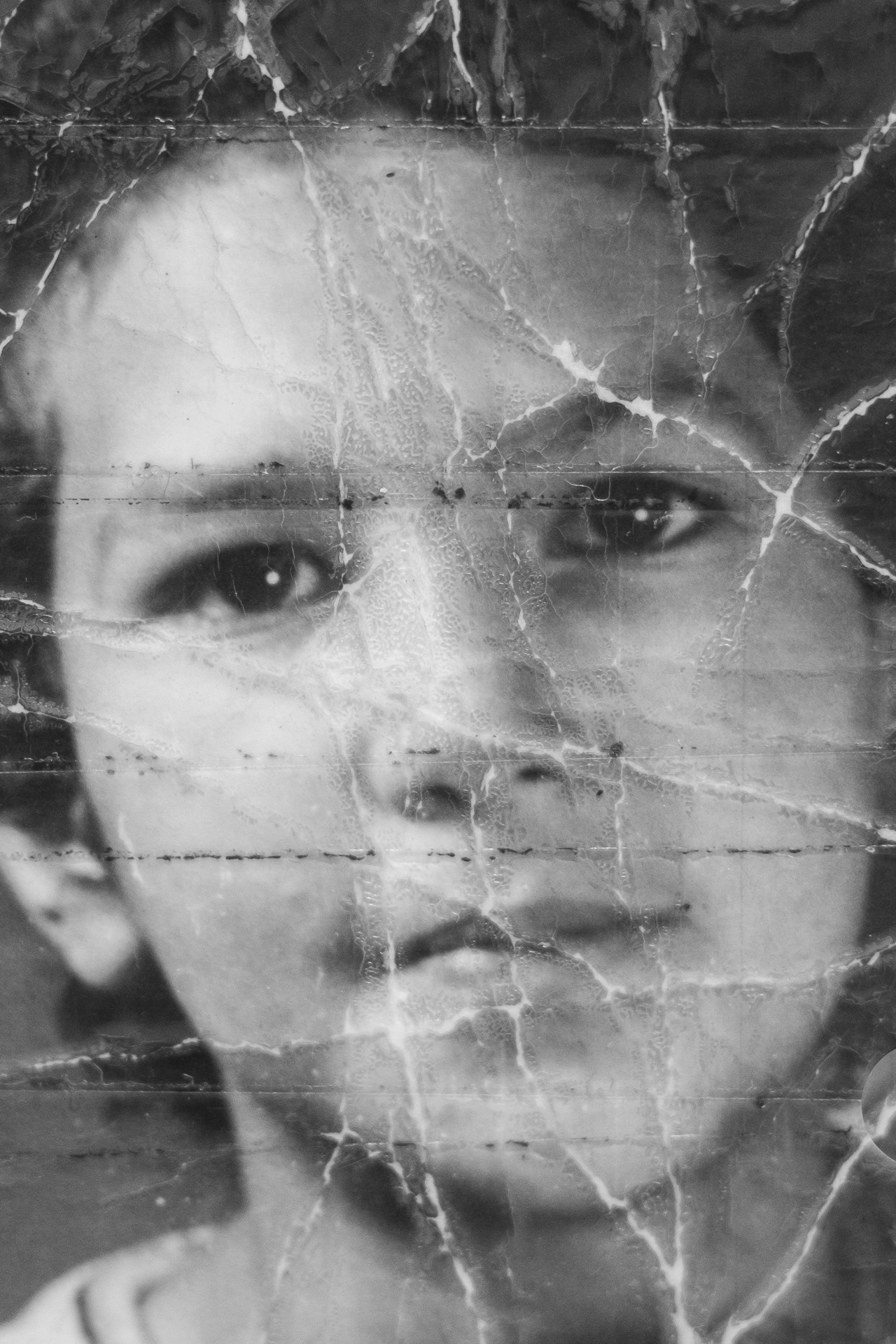
This project grew out of that twofold discovery: the place at the heart of my family’s story, and a collective memory that had been buried. It works in the space between what the site looks like today, an overgrown field that seems almost ordinary, and what it still holds. My photographs, made on site, sit alongside 1960s images of the camp, archival family portraits, and the voices of those who remember, among them Malika’s sister. Malika died at fifteen months old and was found again after six decades of oblivion.
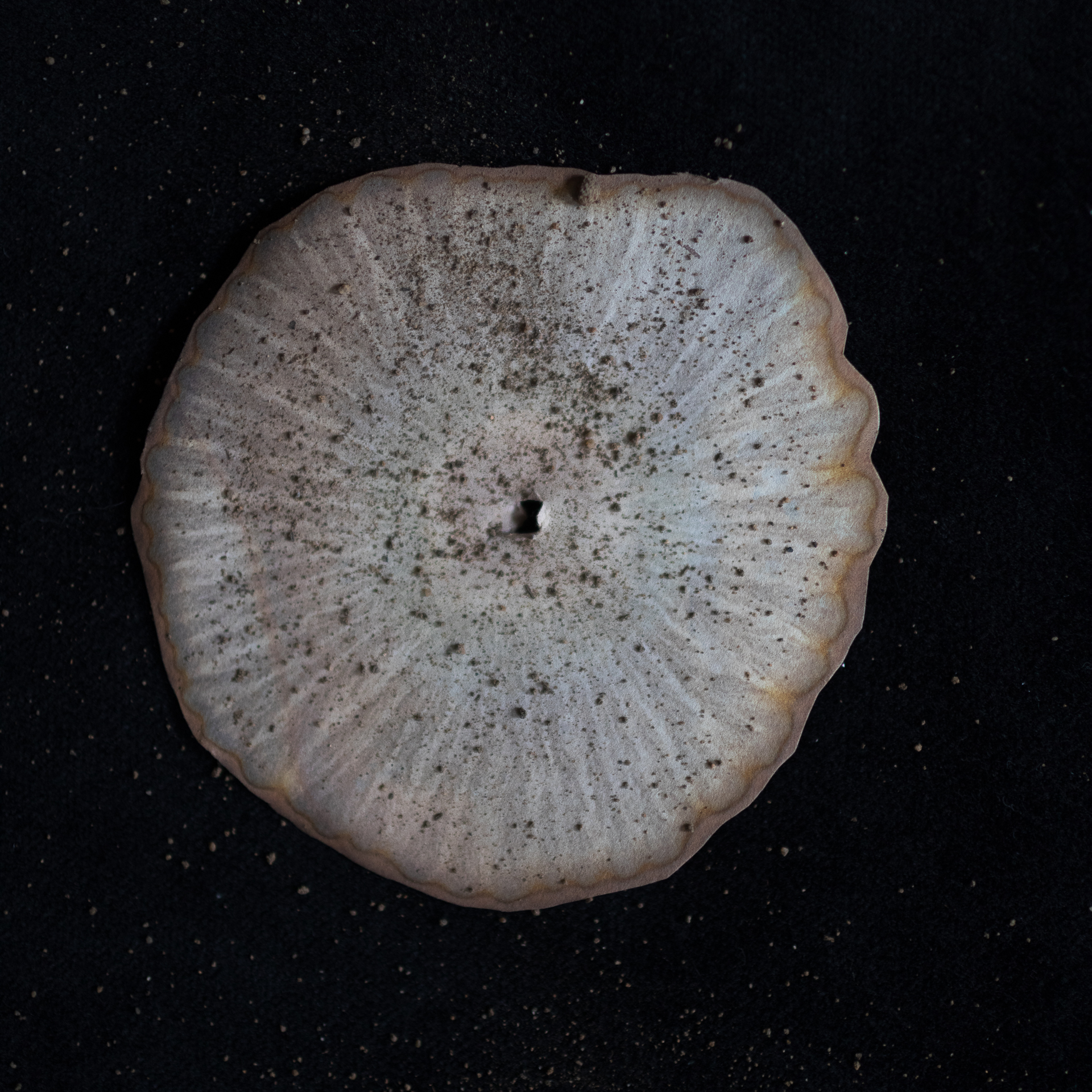
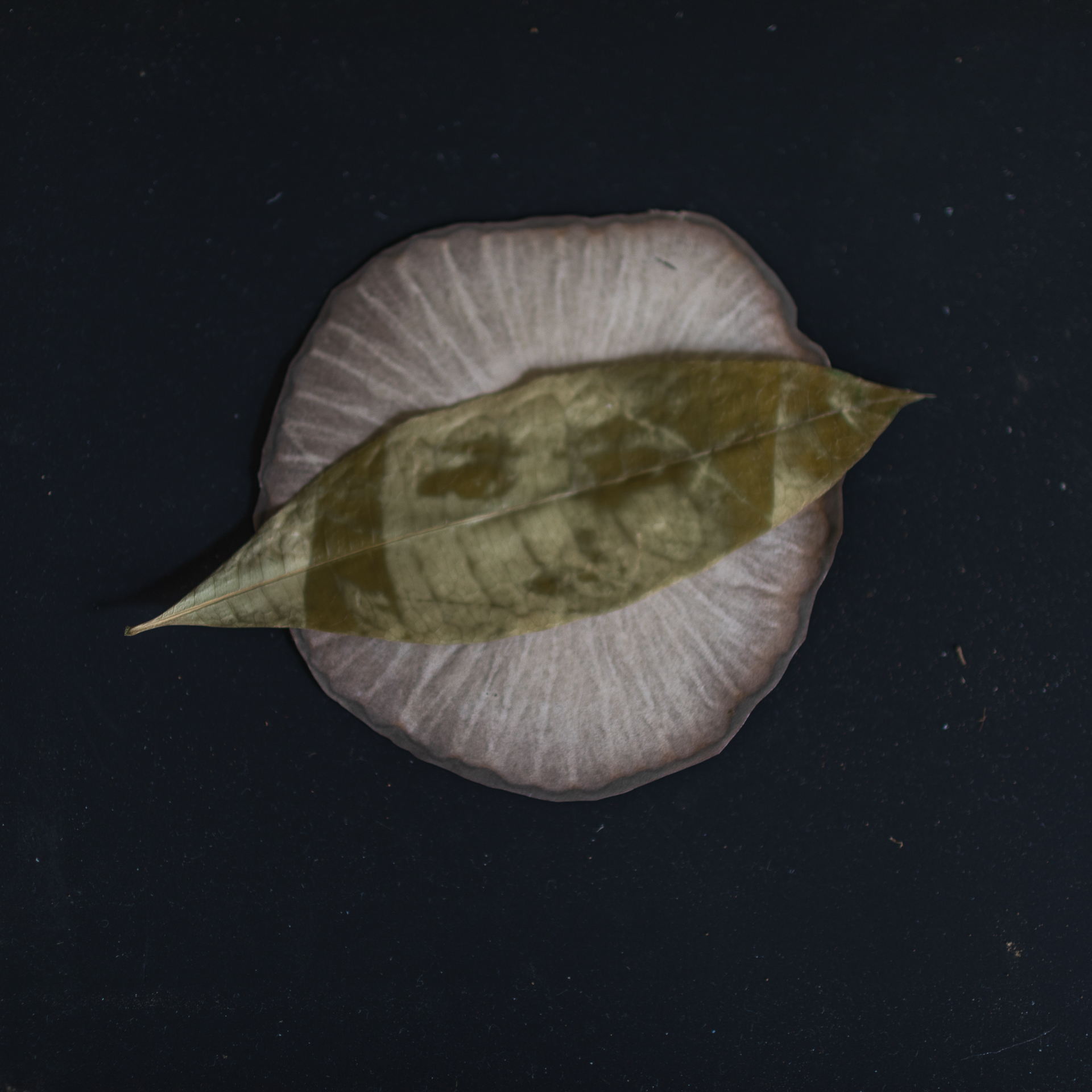
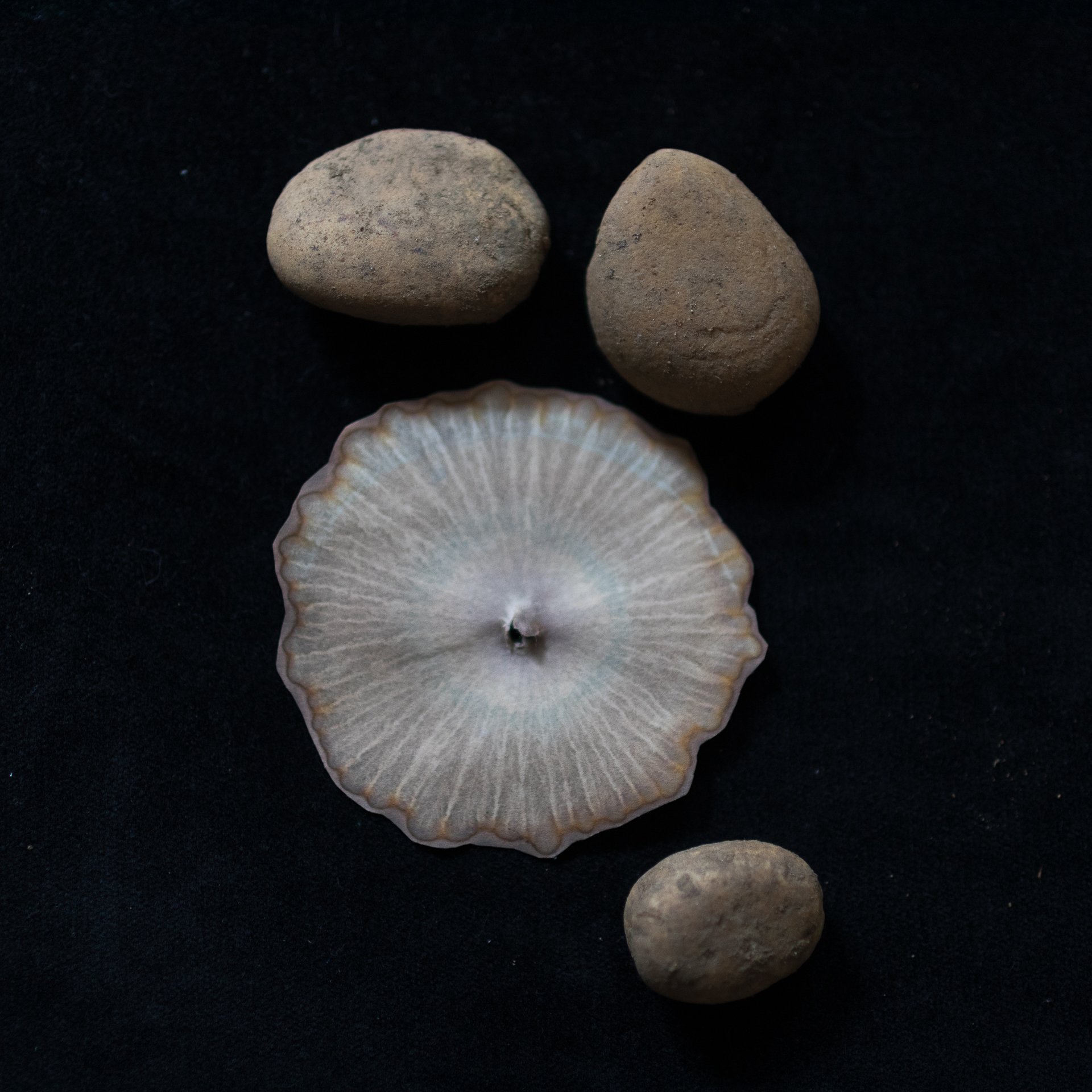
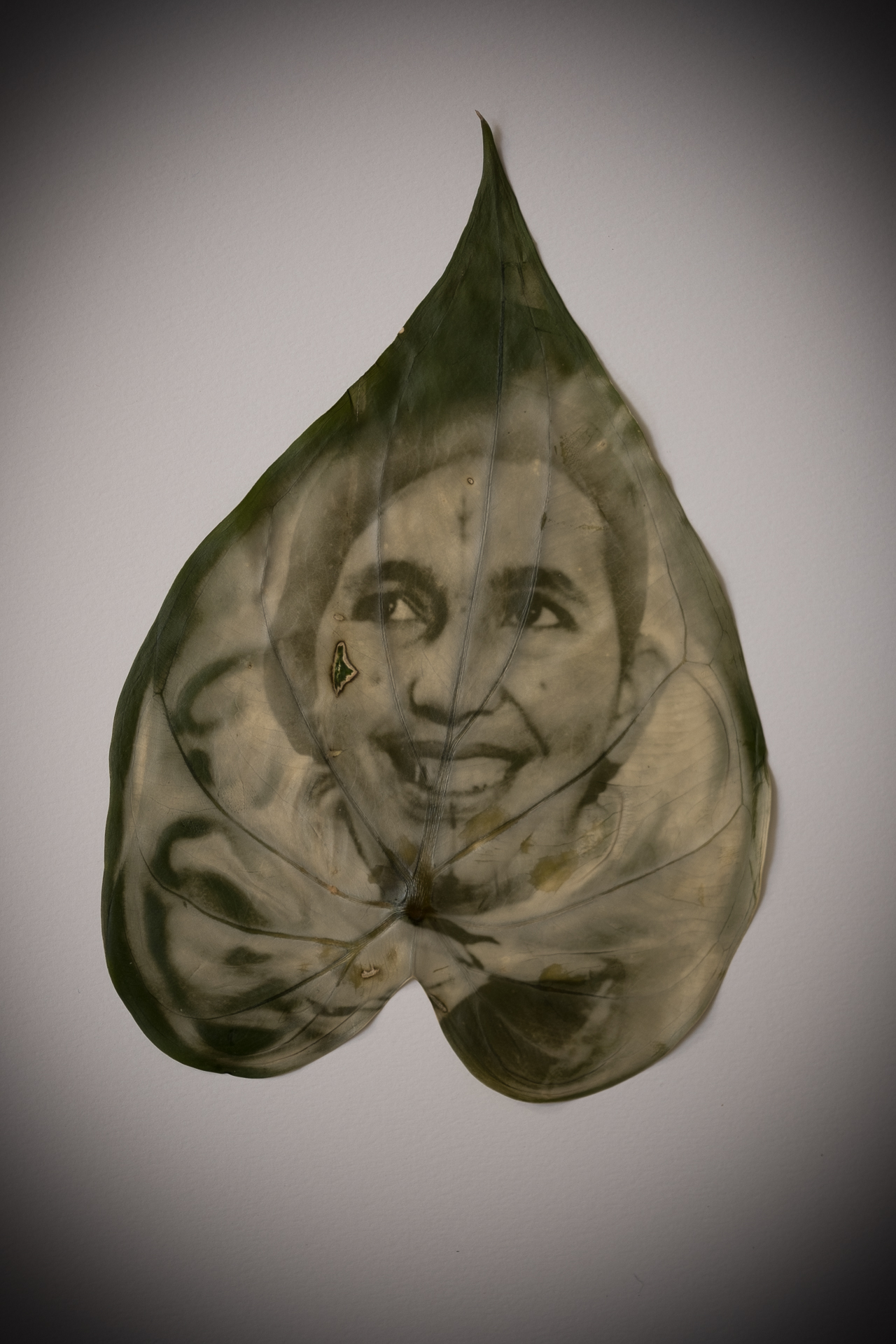
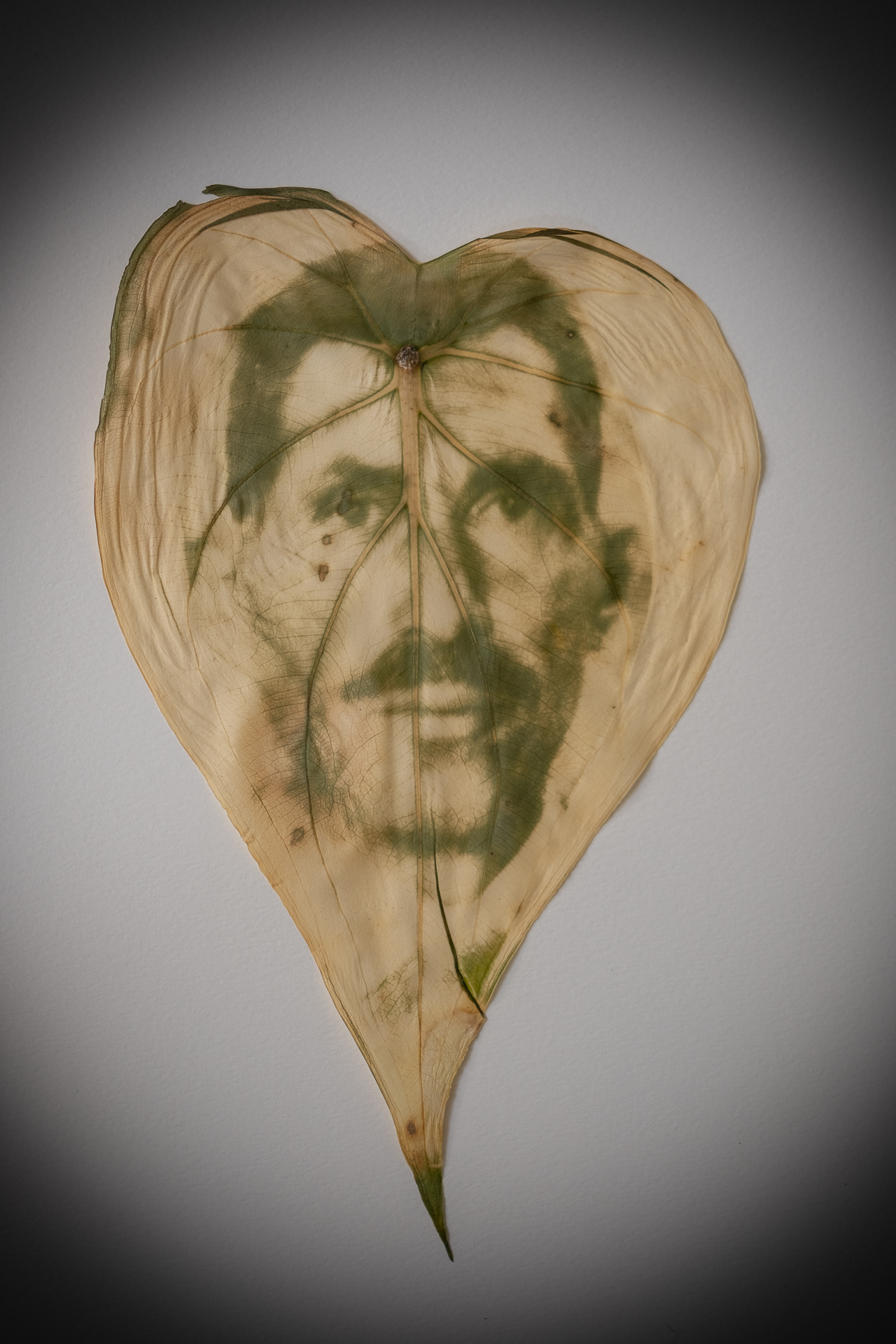
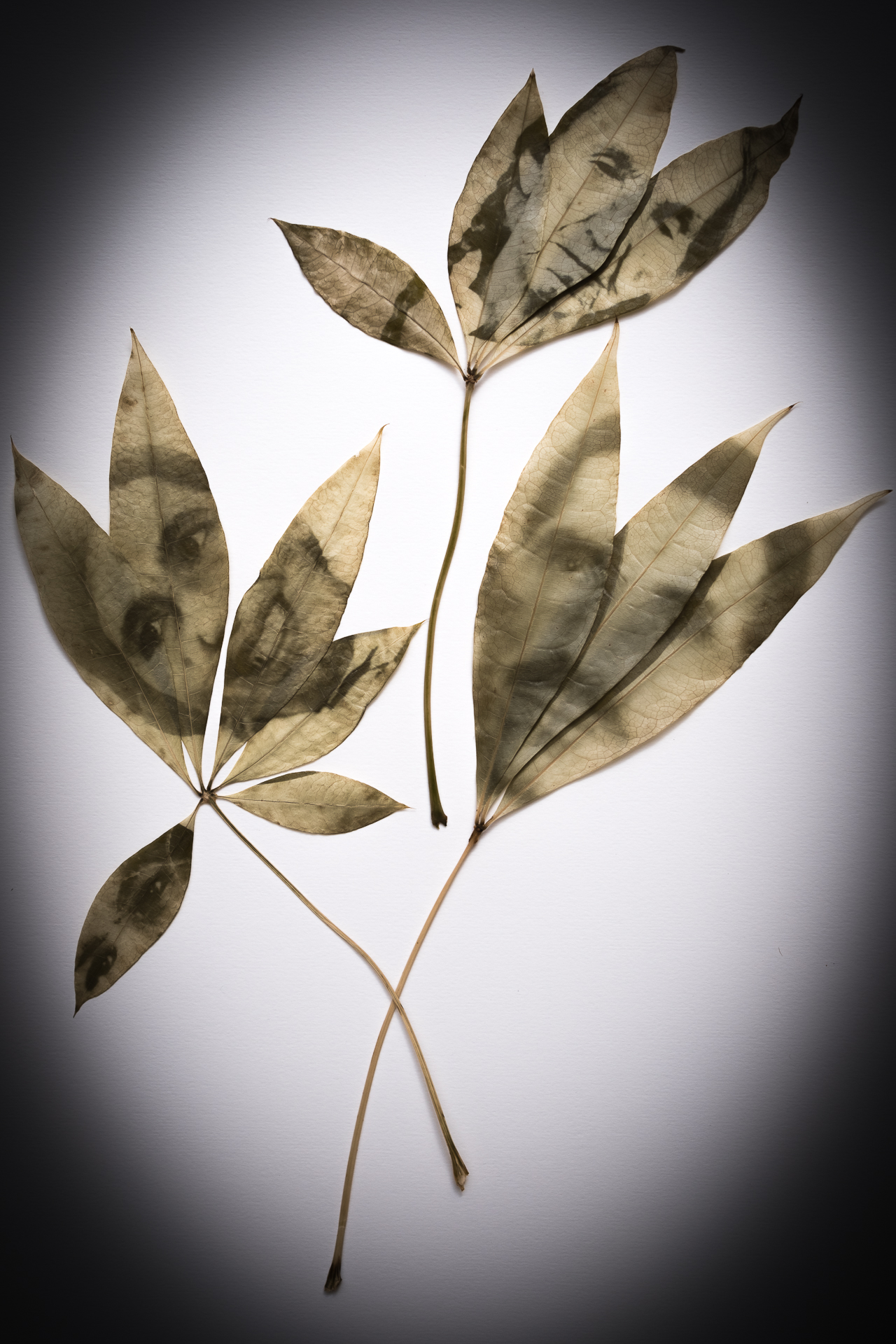
The work moves beyond photography in several ways. I took soil samples from the camp and the cemetery and made chromatographs of them: a kind of DNA of the ground, showing the life it contains, invisible to the naked eye, and to which Malika now belongs. Her family’s faces appear on leaves as chlorophyll prints, images formed by sunlight alone. Fragile and short-lived, they carry the memory of the family line she came from.
The project extends my longstanding work on family memory and exile. Where that work followed a mother’s intimate story, this one looks at the physical reality of a place, and at what the earth can reveal if you are willing to stop, walk and listen. It is part of a series on the former transit camps where harki families were housed in France at their arrival from Algeria: Saint-Maurice-l’Ardoise, Rivesaltes, Bias, Bourg-Lastic, La Rye-le-Vigeant and Larzac-La Cavalerie. At least three of them, Saint-Maurice-l’Ardoise, Bourg-Lastic and Rivesaltes, have turned out to hold children’s cemeteries that lay forgotten for decades.
That raises a question beyond these individual sites: how many other Malikas, beside other camps, are still waiting to be named?
PNSELMA2026-bennecib-jeannine-2026-1.jpg
PNSELMA2026-bennecib-jeannine-2026-10.jpg
PNSELMA2026-bennecib-jeannine-2026-11.jpg
PNSELMA2026-bennecib-jeannine-2026-12.jpg
PNSELMA2026-bennecib-jeannine-2026-13.jpg
PNSELMA2026-bennecib-jeannine-2026-14.jpg
PNSELMA2026-bennecib-jeannine-2026-15.jpg
PNSELMA2026-bennecib-jeannine-2026-16.jpg
PNSELMA2026-bennecib-jeannine-2026-17.jpg
PNSELMA2026-bennecib-jeannine-2026-18.jpg
PNSELMA2026-bennecib-jeannine-2026-19.jpg
PNSELMA2026-bennecib-jeannine-2026-2.jpg
PNSELMA2026-bennecib-jeannine-2026-20.jpg
PNSELMA2026-bennecib-jeannine-2026-21.jpg
PNSELMA2026-bennecib-jeannine-2026-22.jpg
PNSELMA2026-bennecib-jeannine-2026-23.jpg
PNSELMA2026-bennecib-jeannine-2026-24.jpg
PNSELMA2026-bennecib-jeannine-2026-25.jpg
PNSELMA2026-bennecib-jeannine-2026-3.jpg
PNSELMA2026-bennecib-jeannine-2026-4.jpg
PNSELMA2026-bennecib-jeannine-2026-5.jpg
PNSELMA2026-bennecib-jeannine-2026-6.jpg
PNSELMA2026-bennecib-jeannine-2026-7.jpg
PNSELMA2026-bennecib-jeannine-2026-8.jpg