Ali Sharifzade
« Heroes never lose »
Biography:
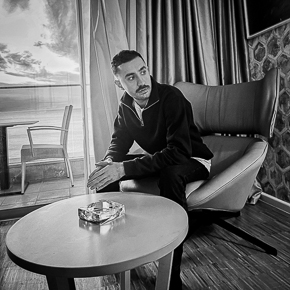
Ali Sharifzadeh is an Iranian journalist, documentary and sports photographer based in Tehran. With more than a decade of experience in sports photography and photojournalism, his work explores the intersection of sport, society, identity, and everyday life in Iran.
He began his professional career in news photography and has worked with Iranian news agencies and sports media, covering major sporting events, international competitions, and stories beyond the field of play. His photographic work spans football, wrestling, boxing, martial arts, and para-sports.
Alongside photography, Sharifzadeh works as a sports journalist and writer, reporting on Iranian football and exploring the social and cultural realities surrounding sport. His recent work has focused on football fans, national identity, economic hardship, and the impact of conflict and social change on Iranian sport.
His documentary projects often move beyond competition itself, focusing on people, emotions, and stories that remain largely unseen behind the spectacle of sport. His work combines first-hand reporting, photography, and documentary storytelling to offer an intimate perspective on contemporary Iran.
Iran
https://instagram.com/AliSharifzade_
Heroes never lose
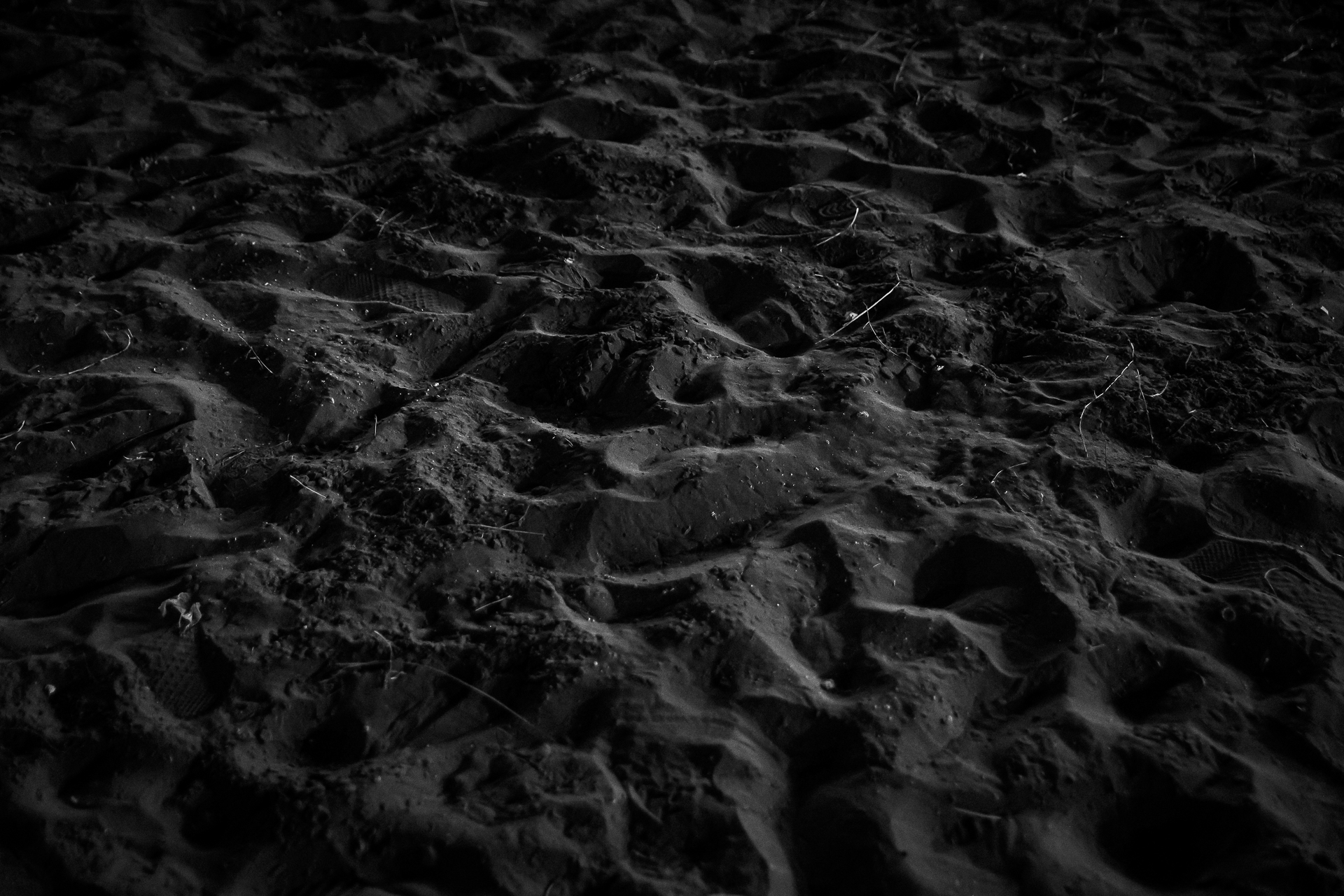
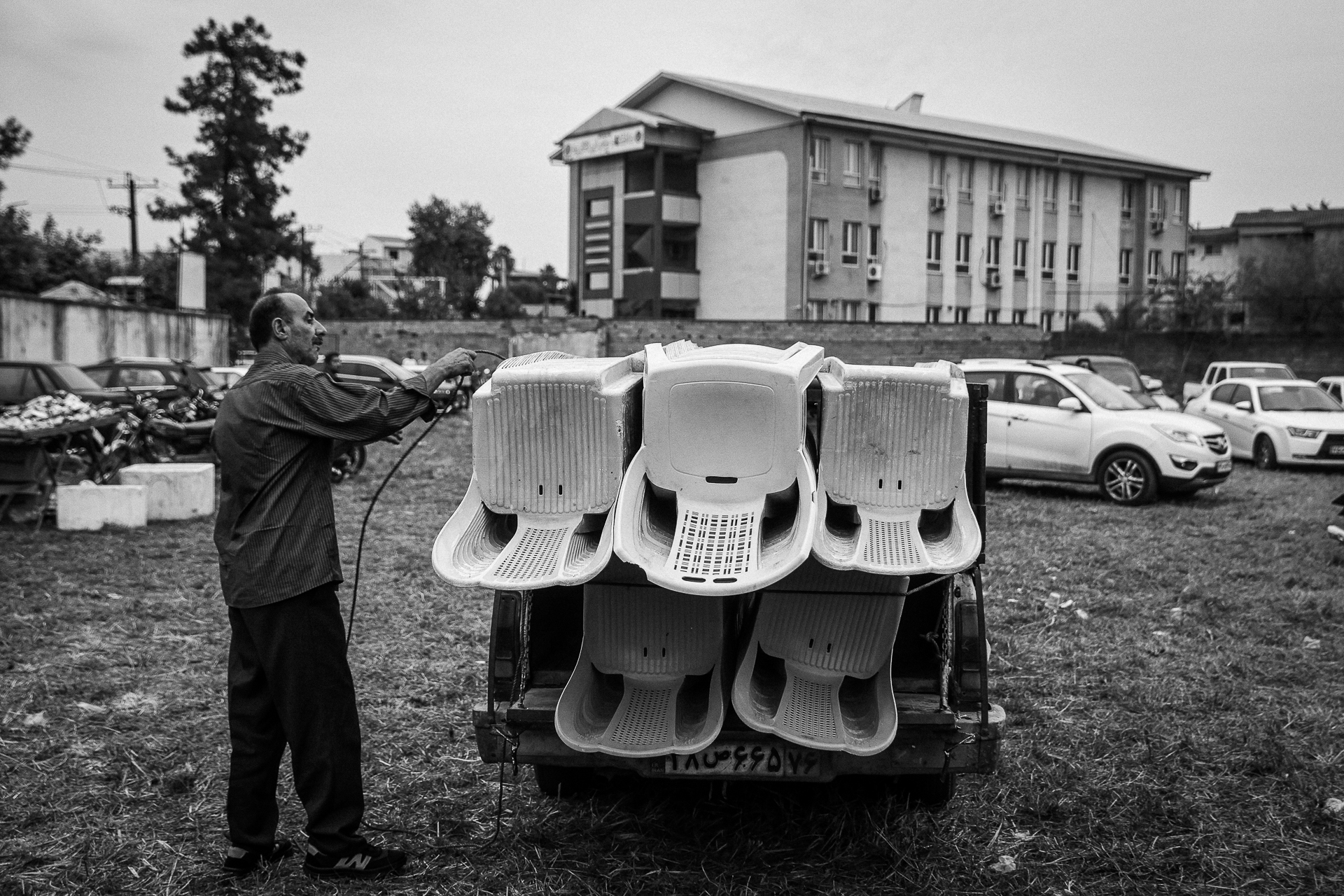
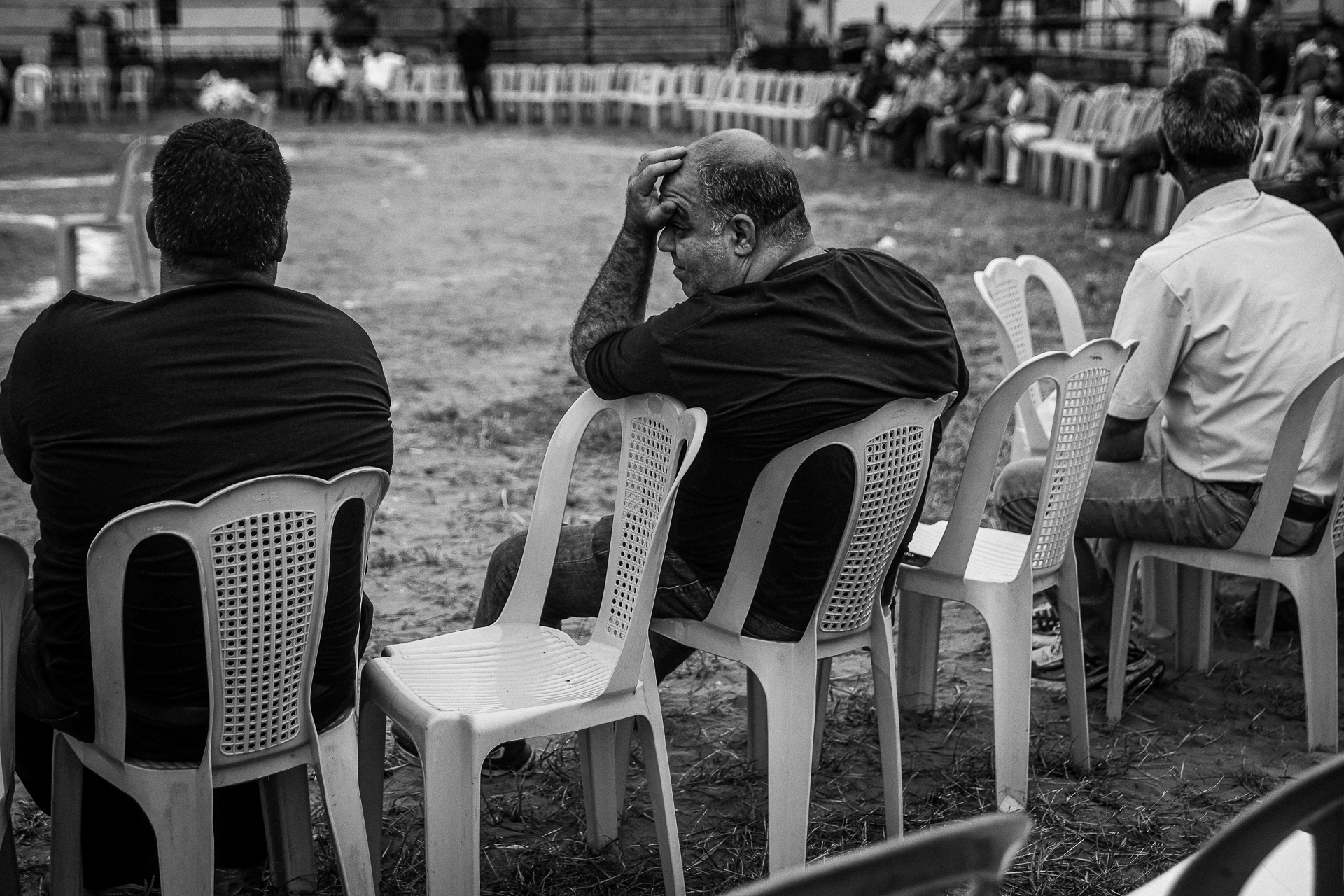
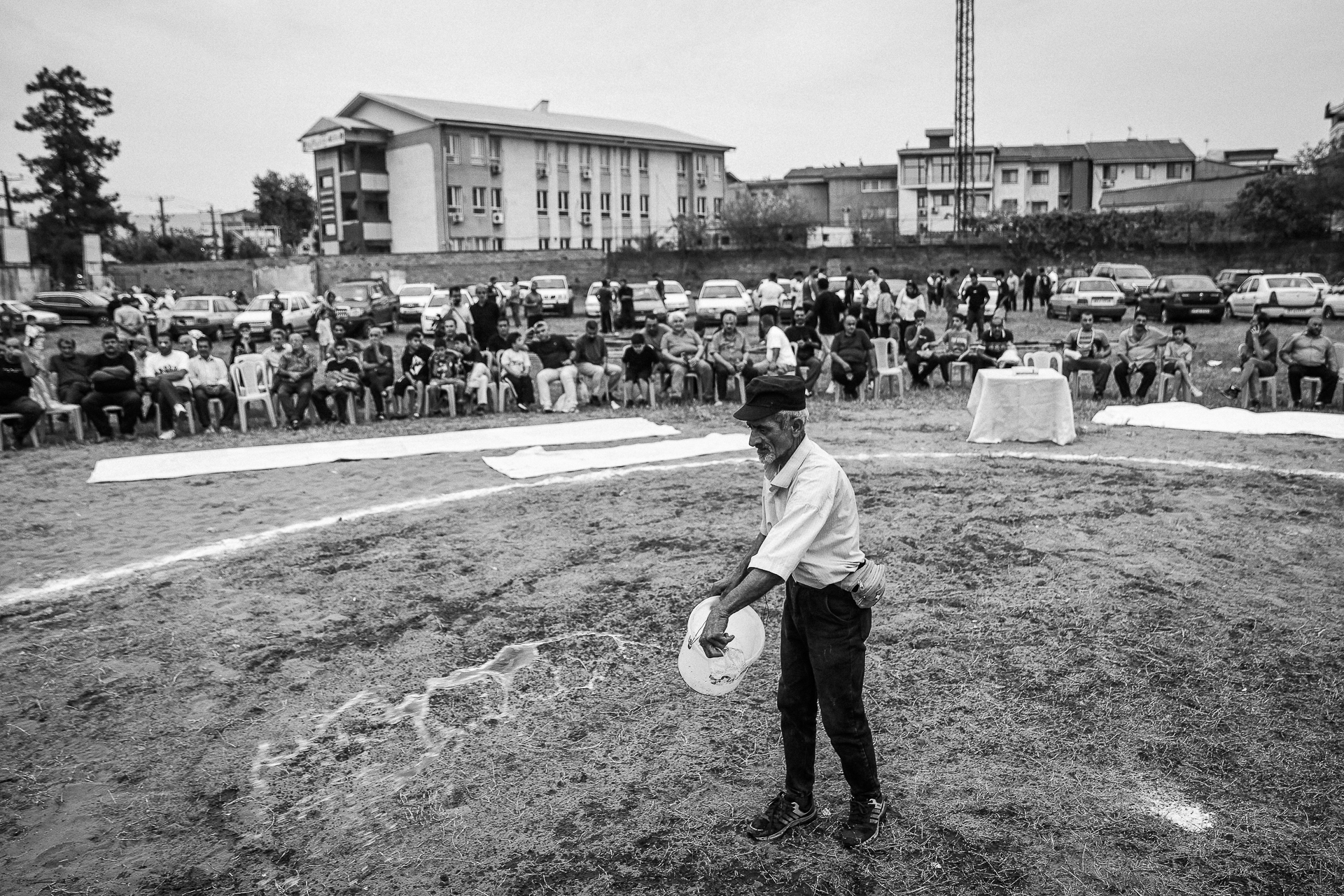
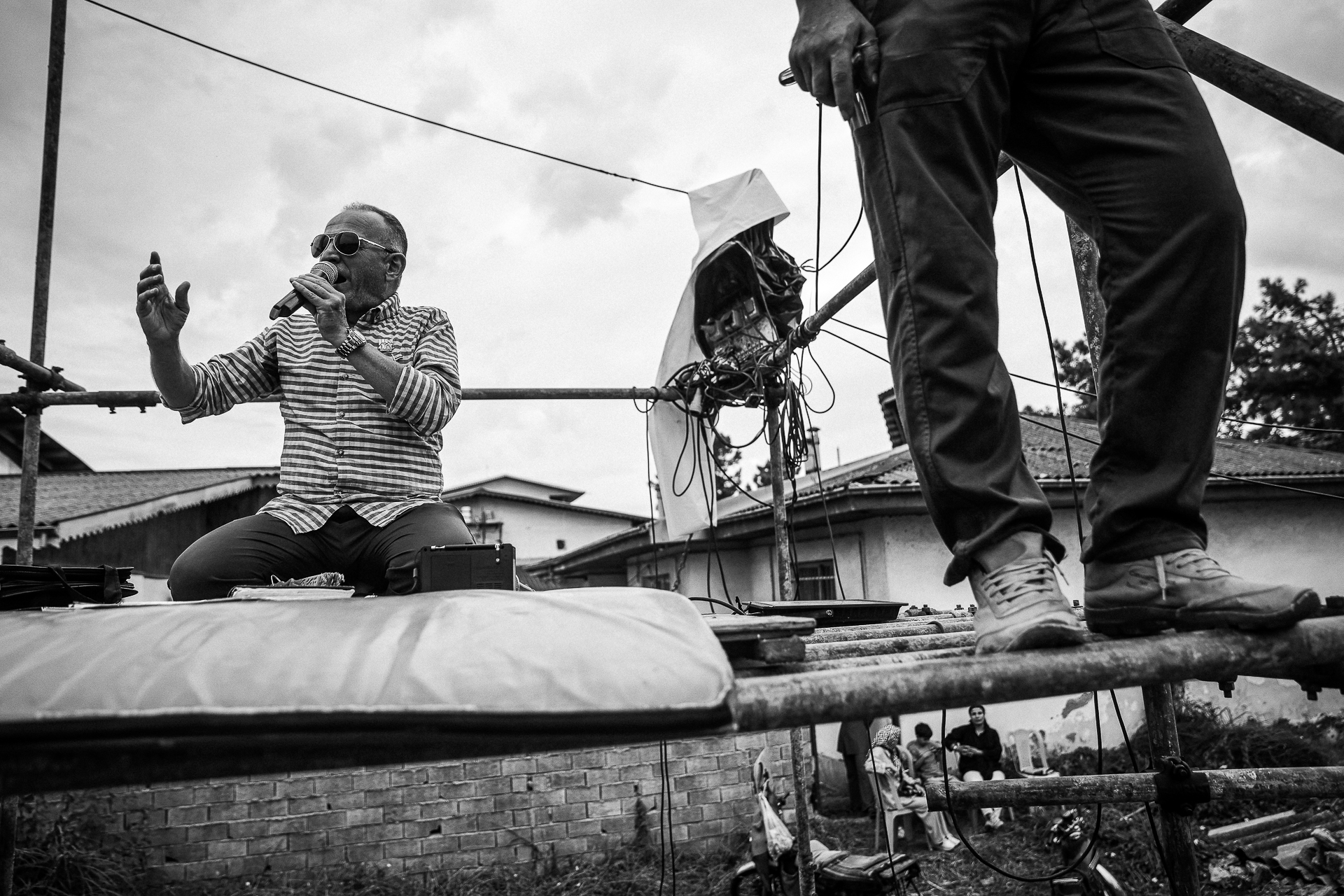
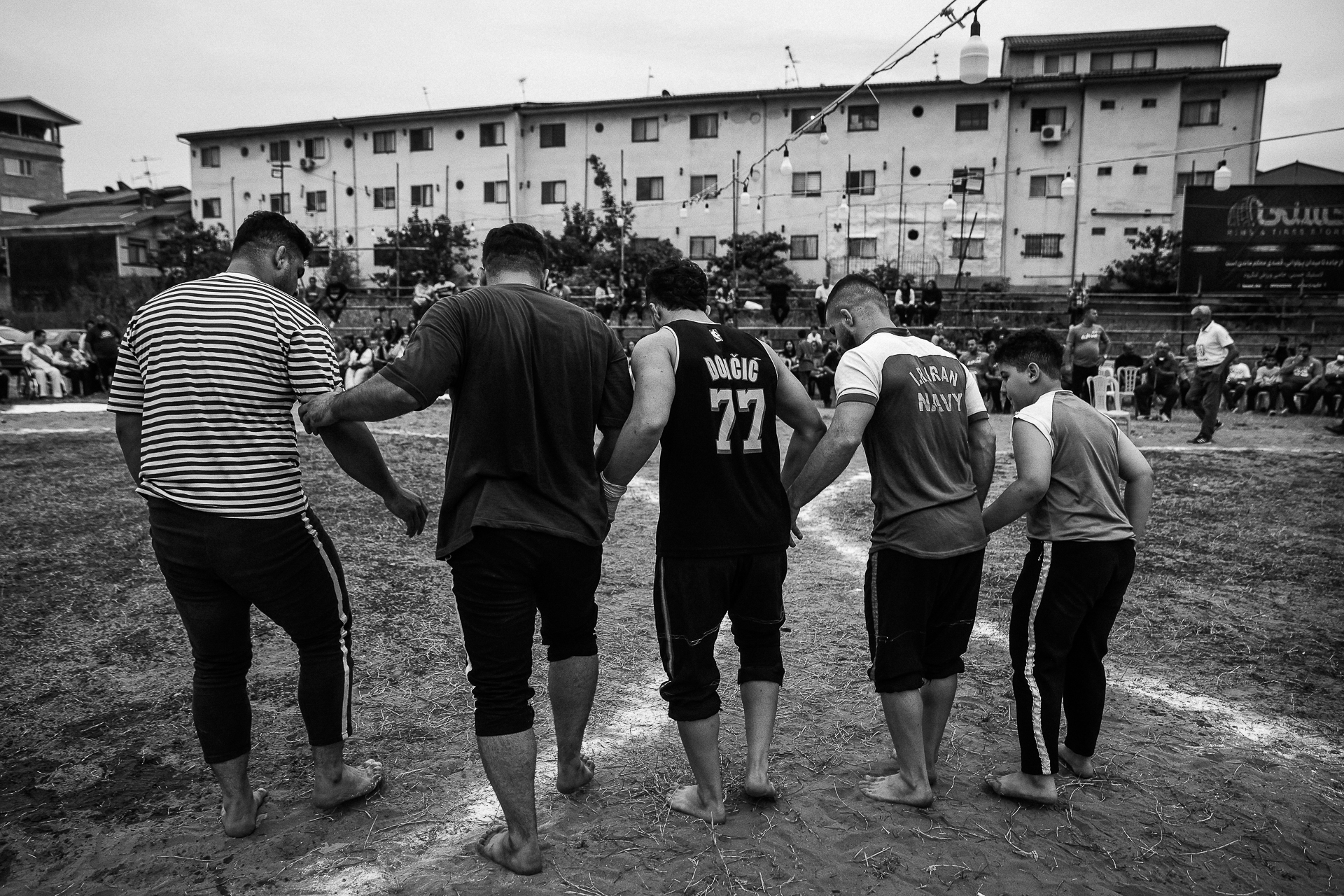
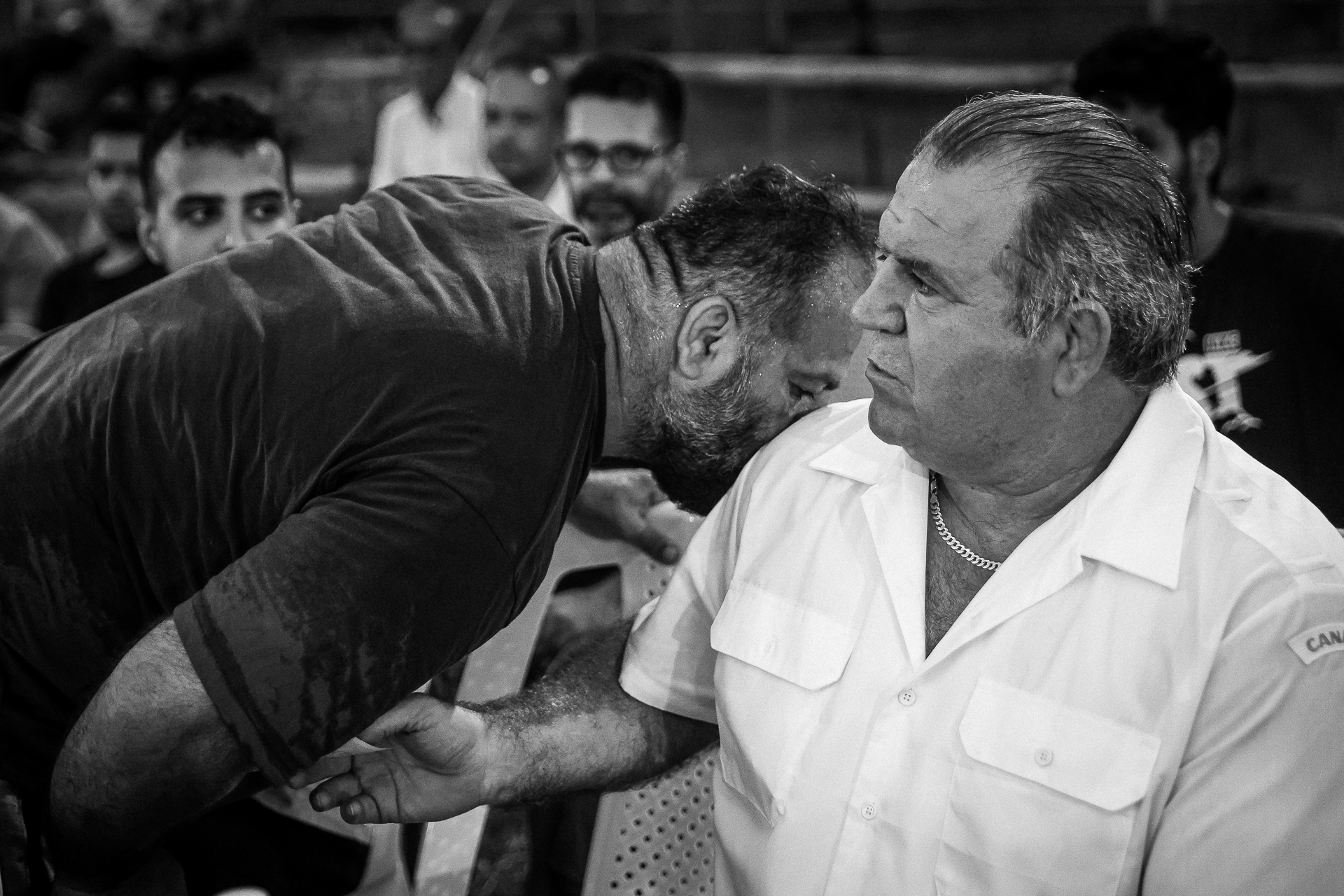
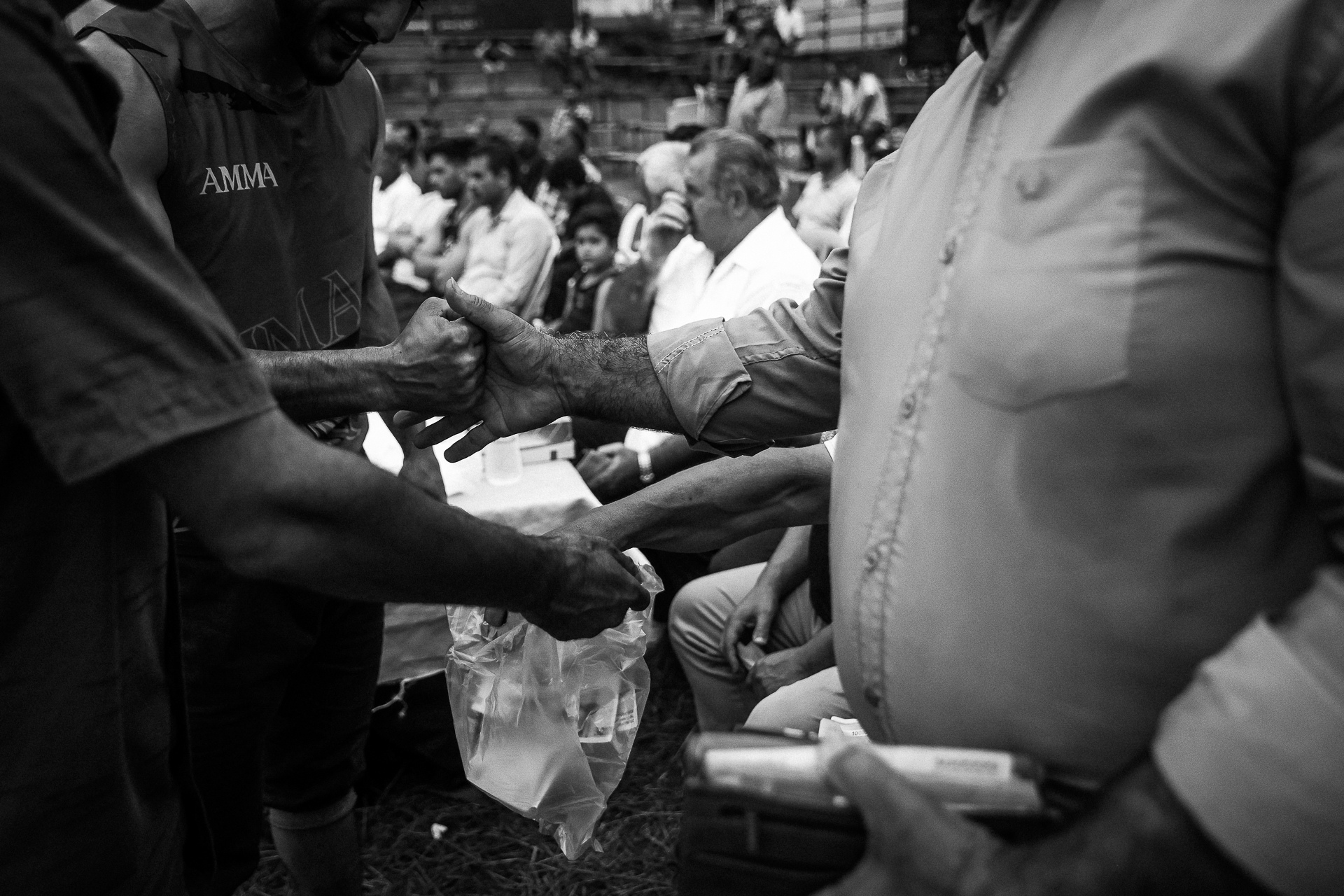
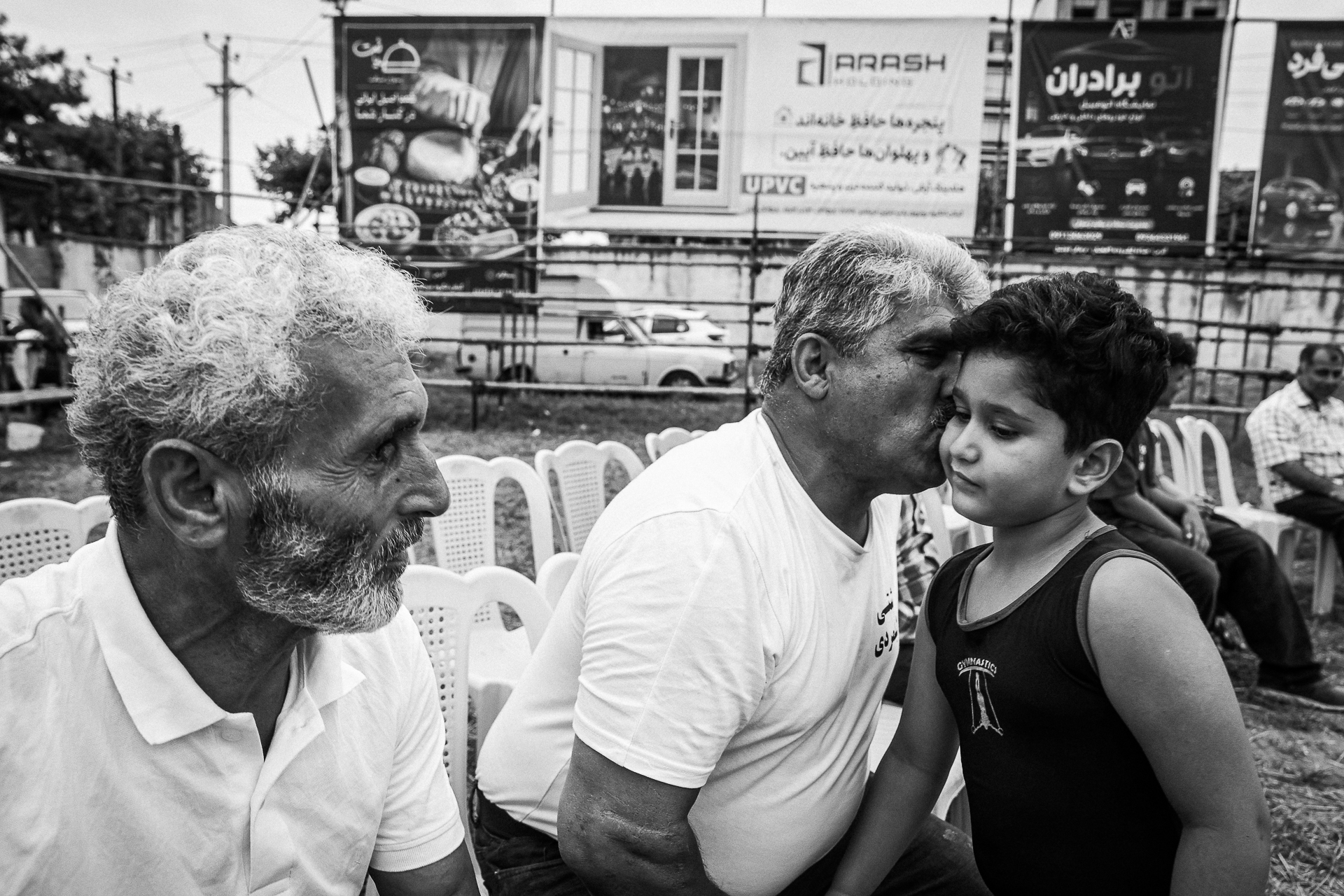
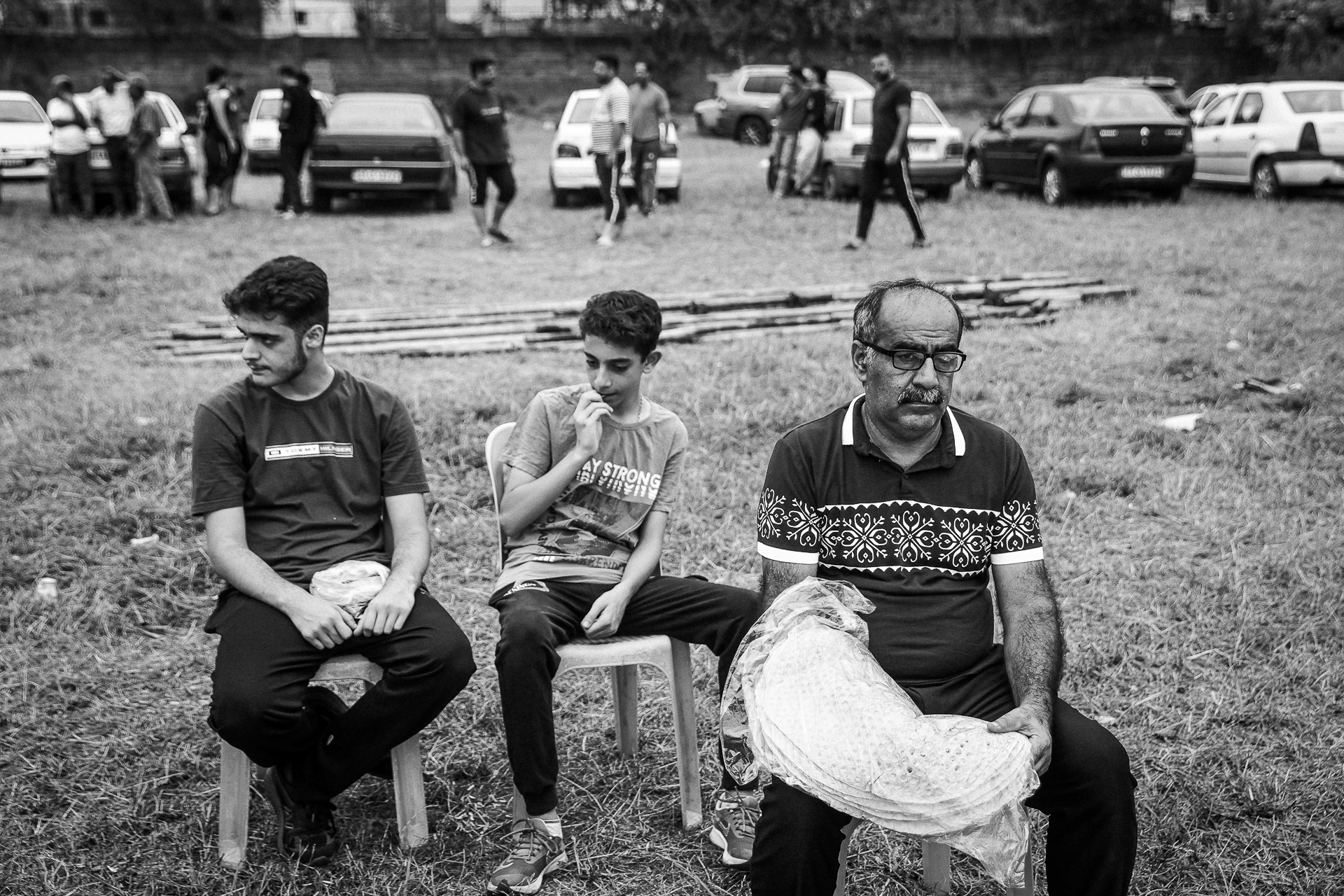
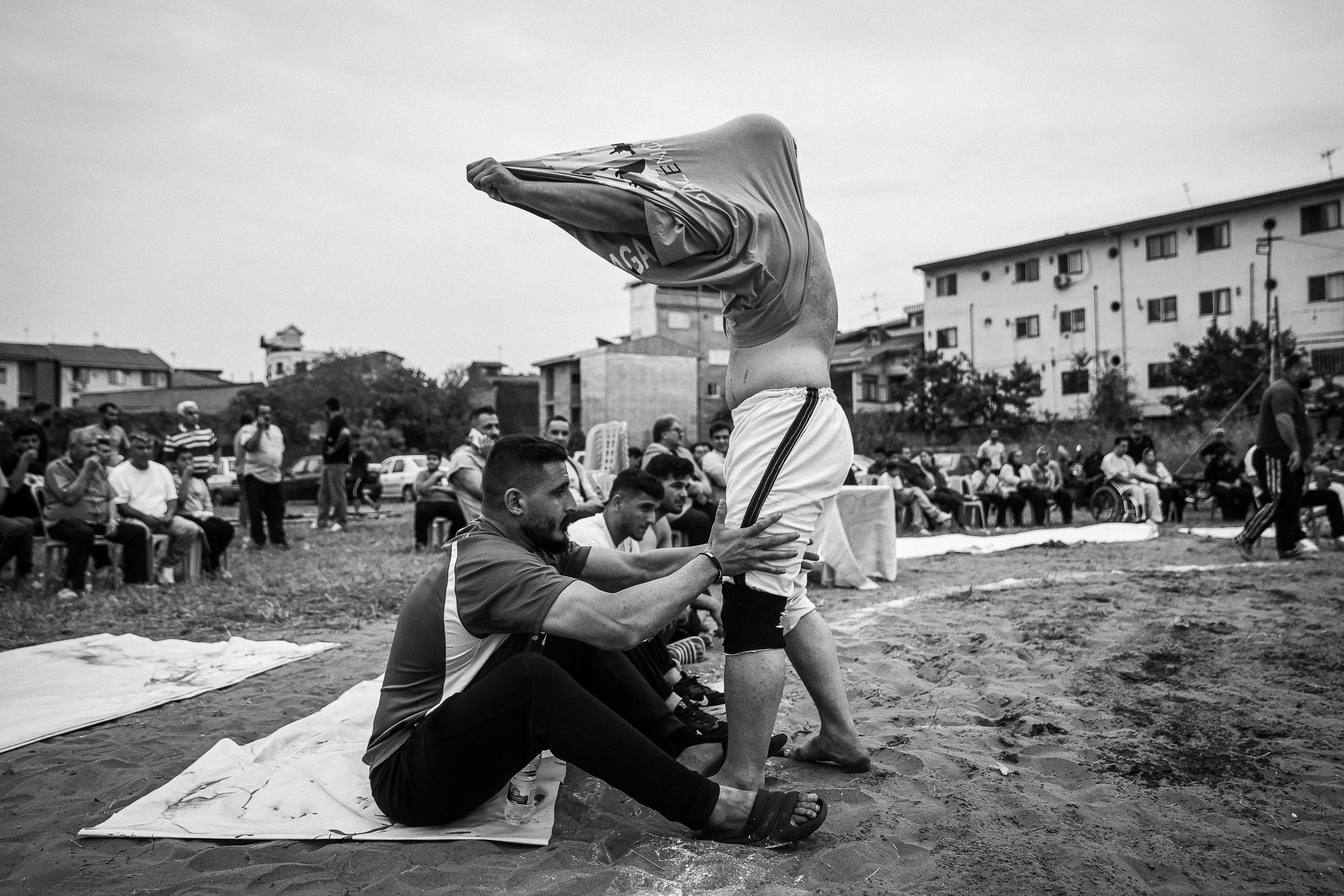
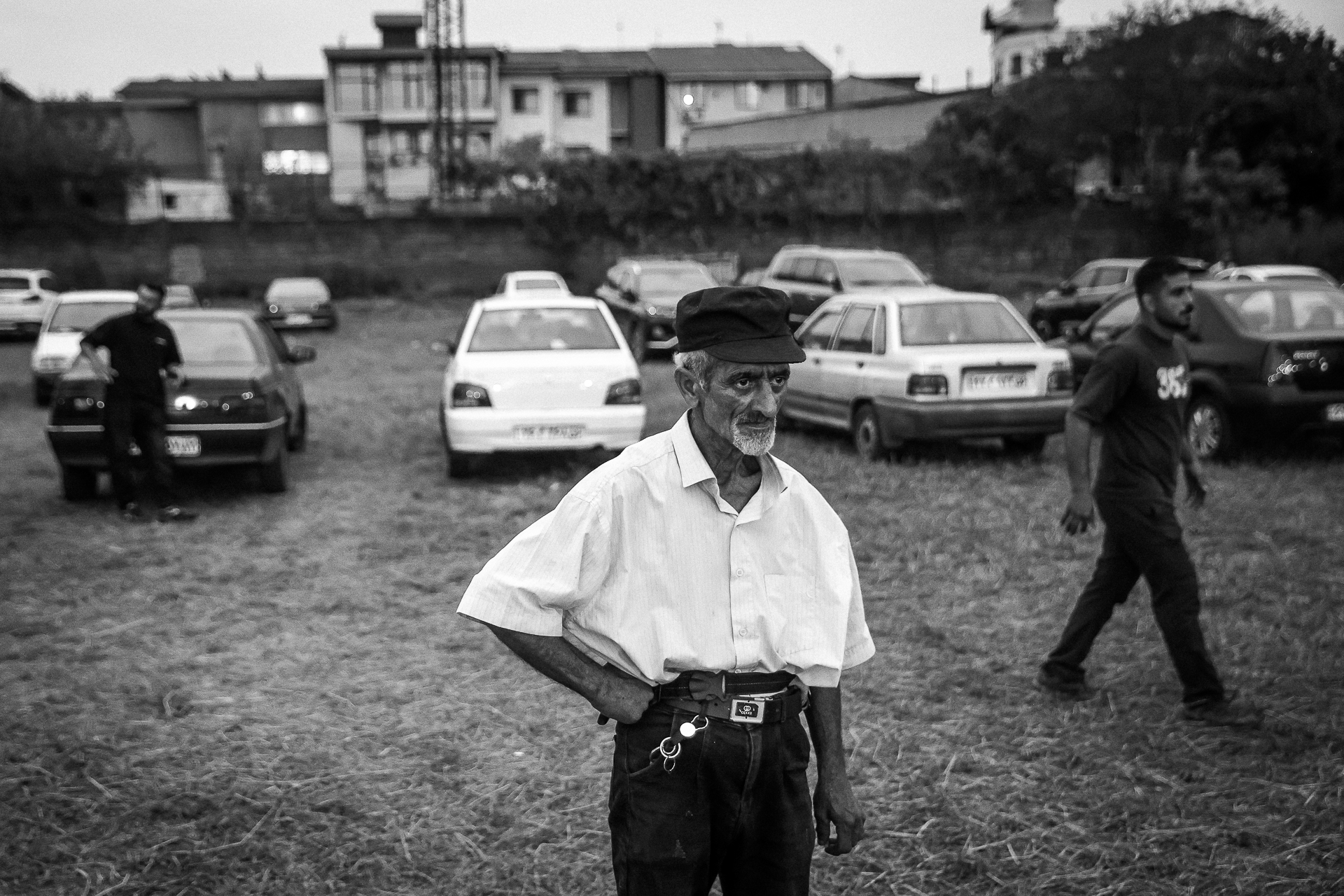
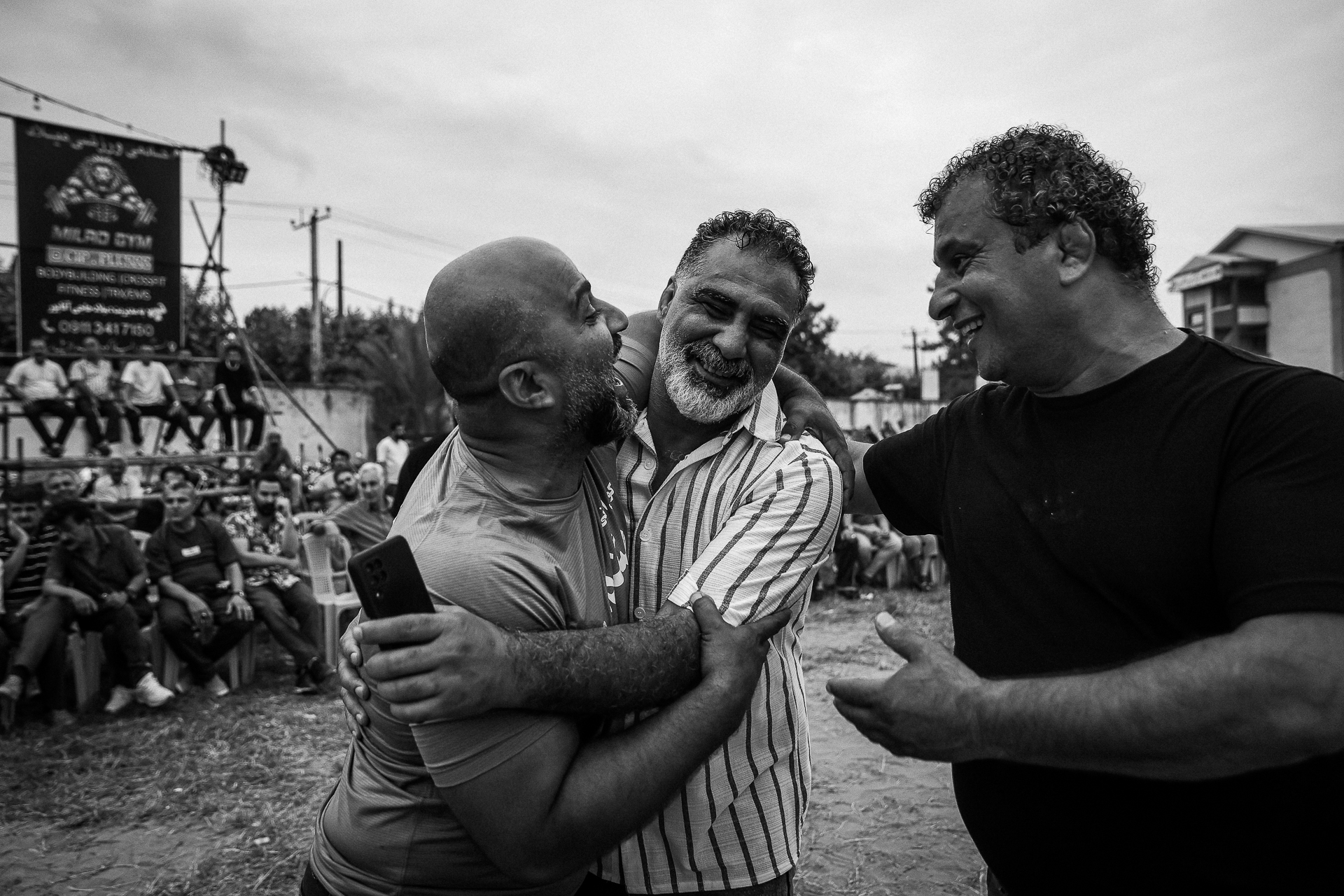
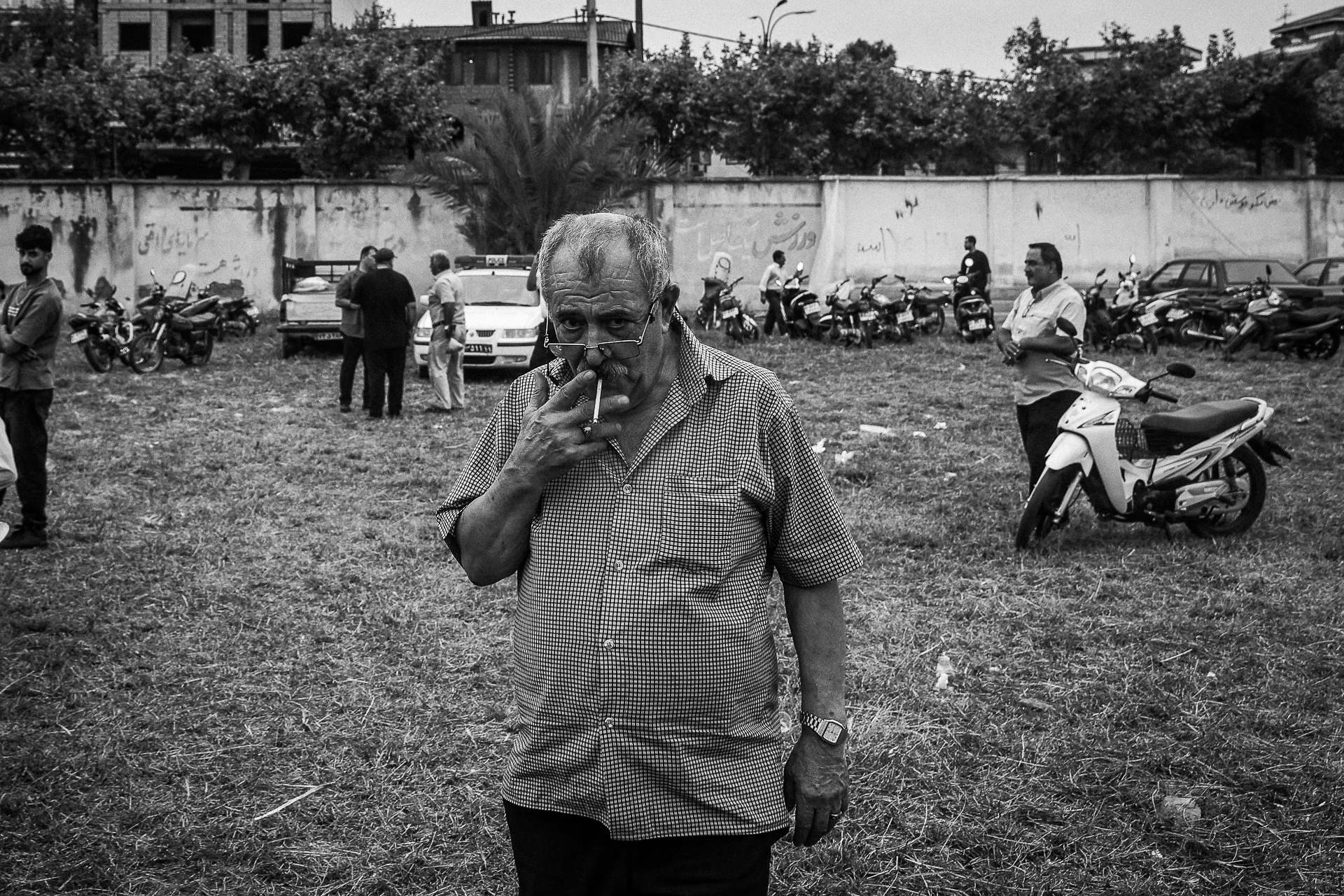
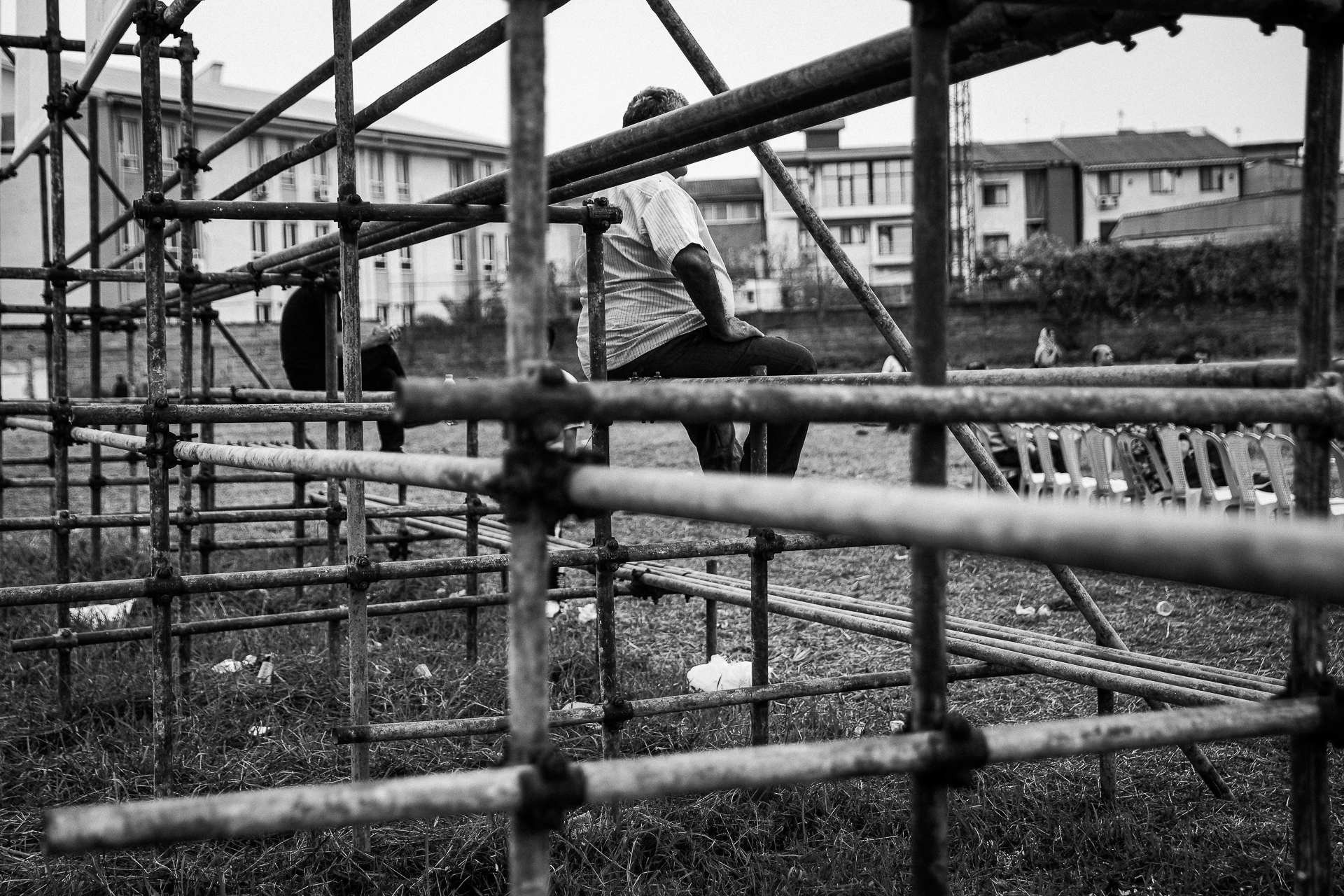
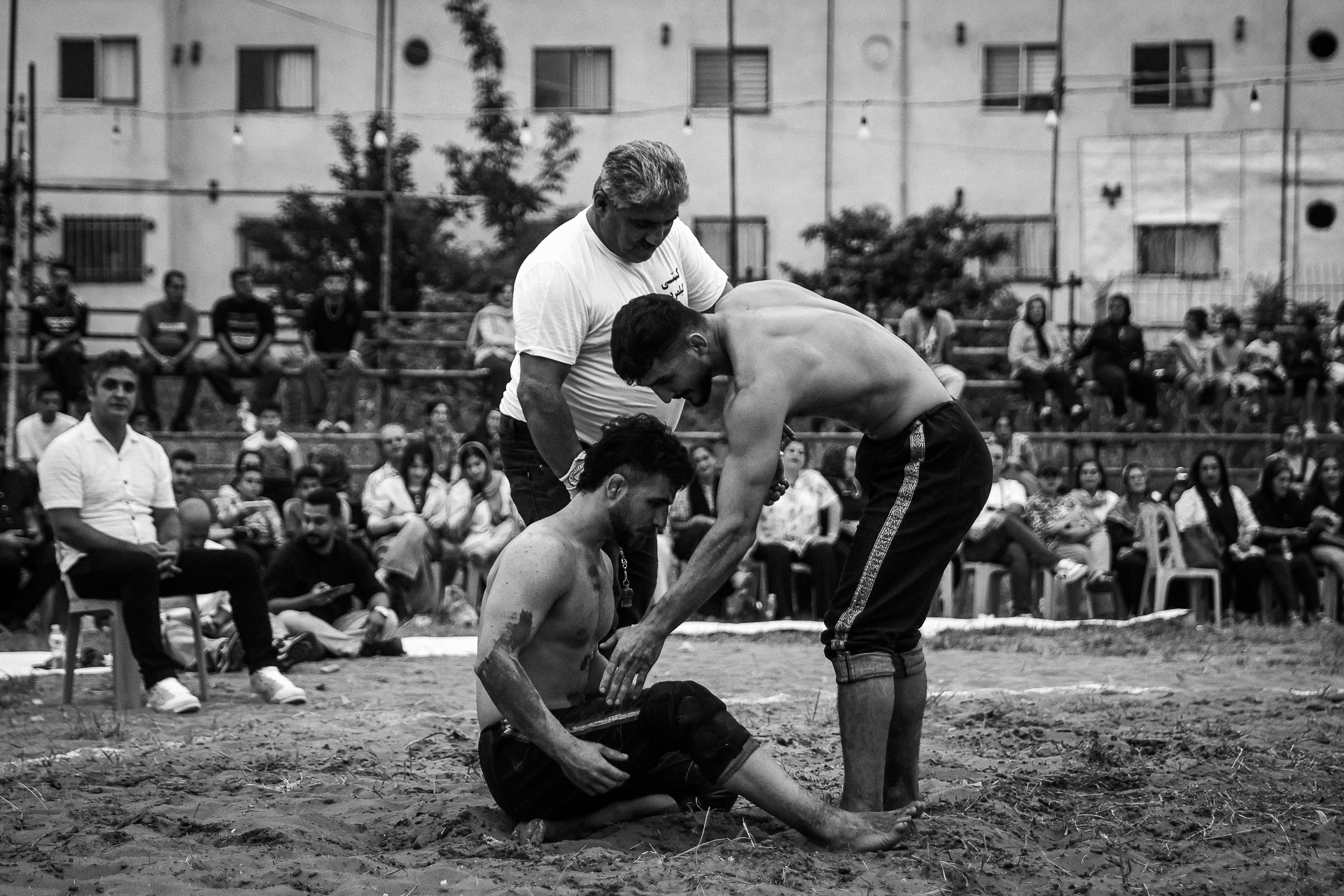
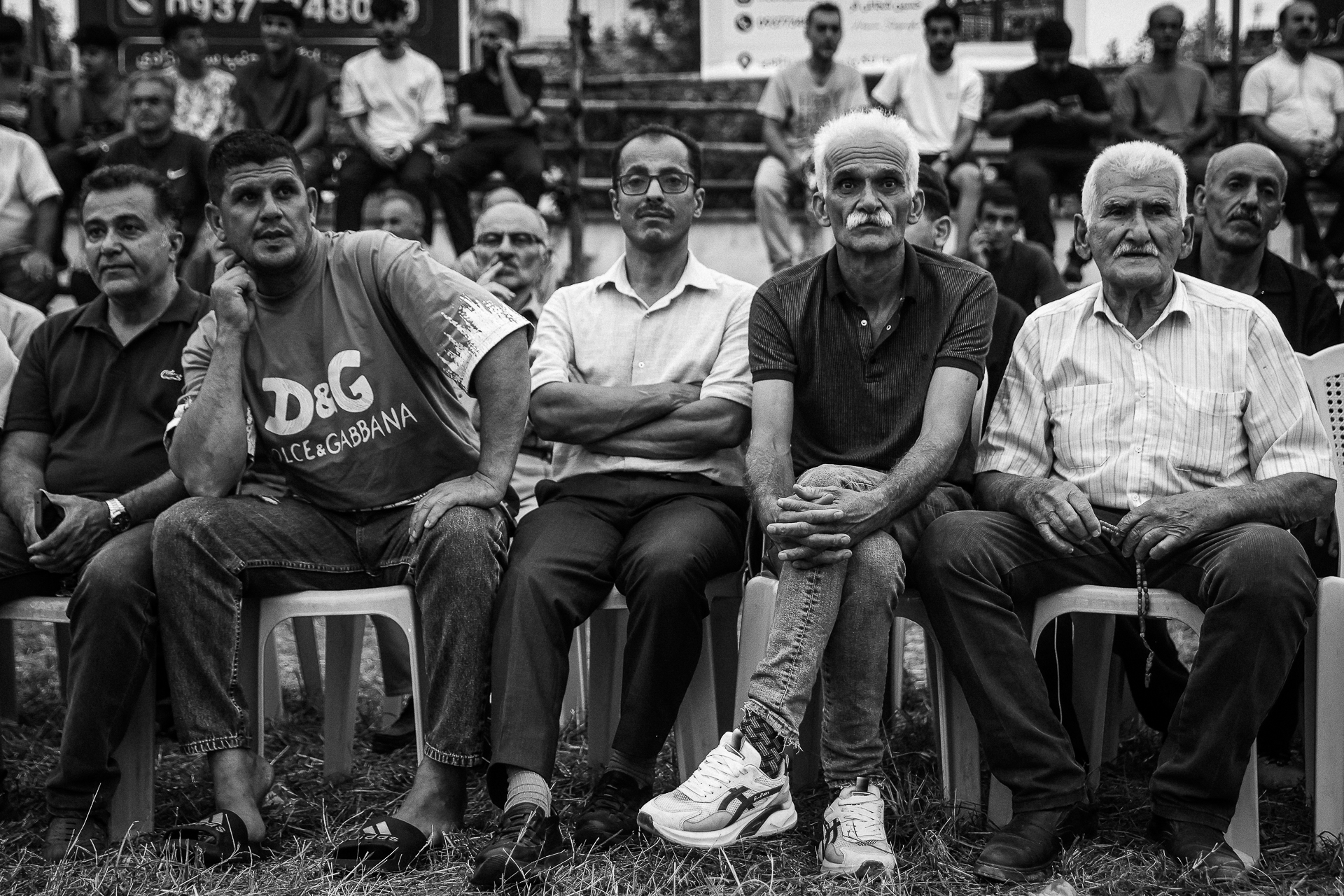
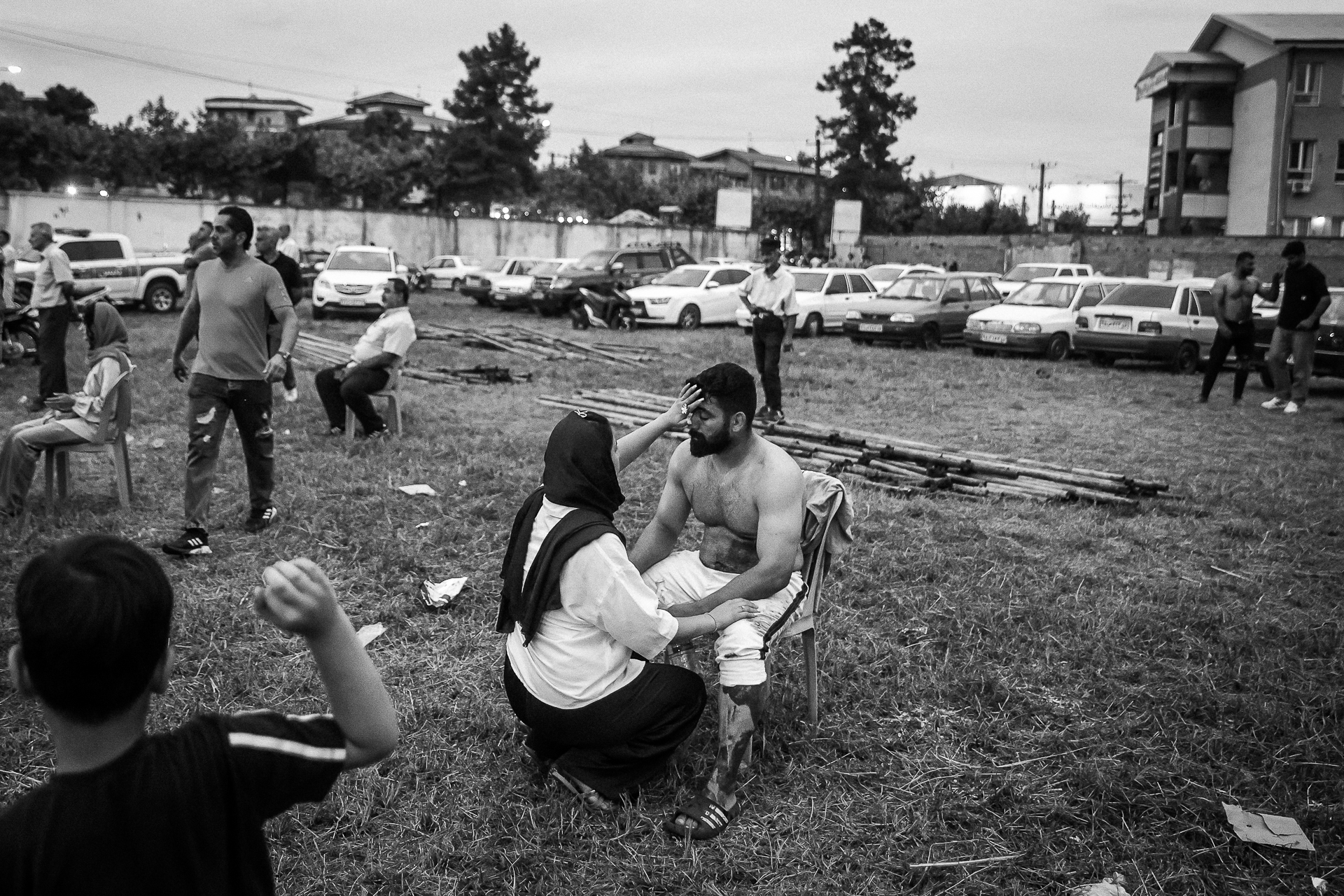
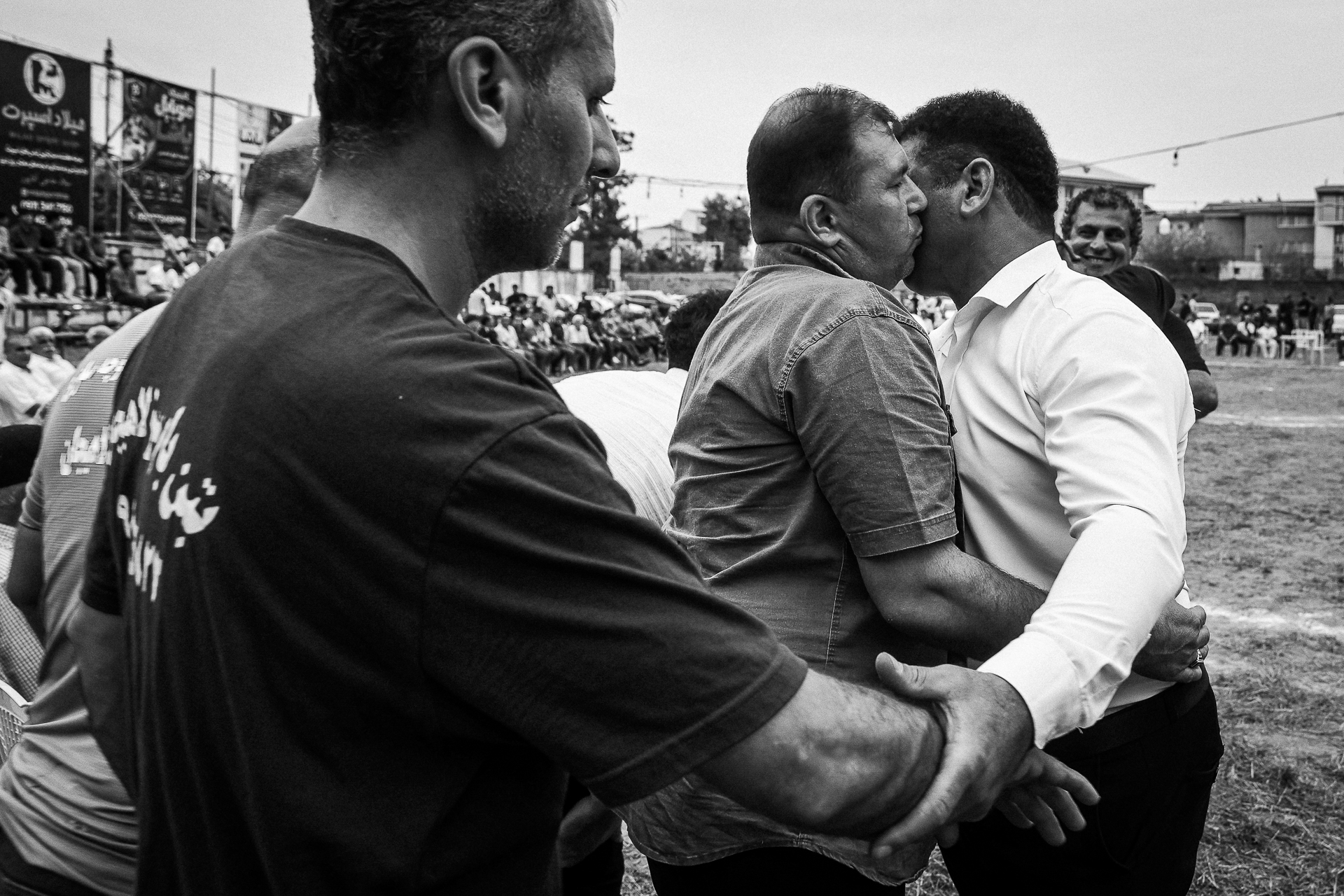
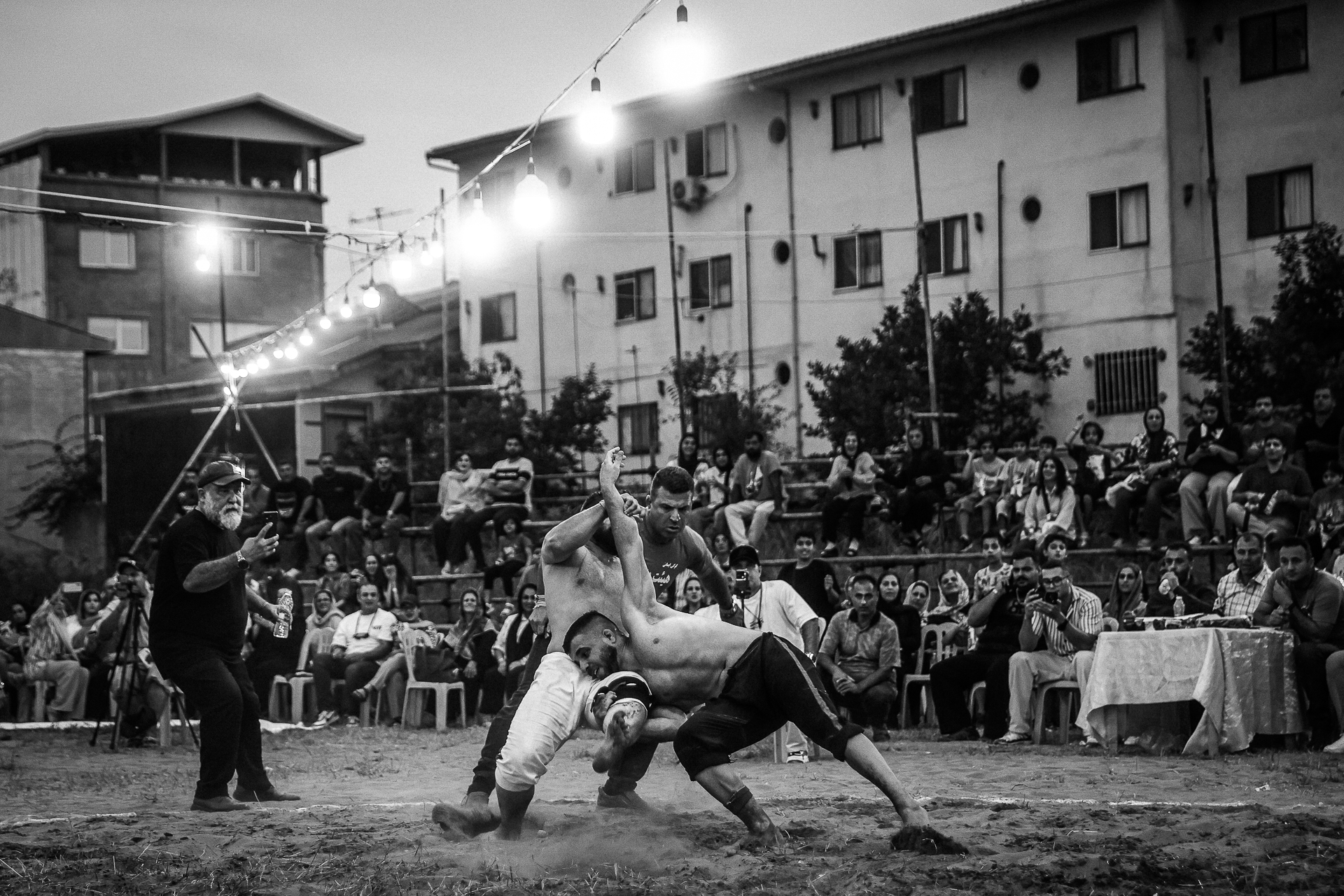
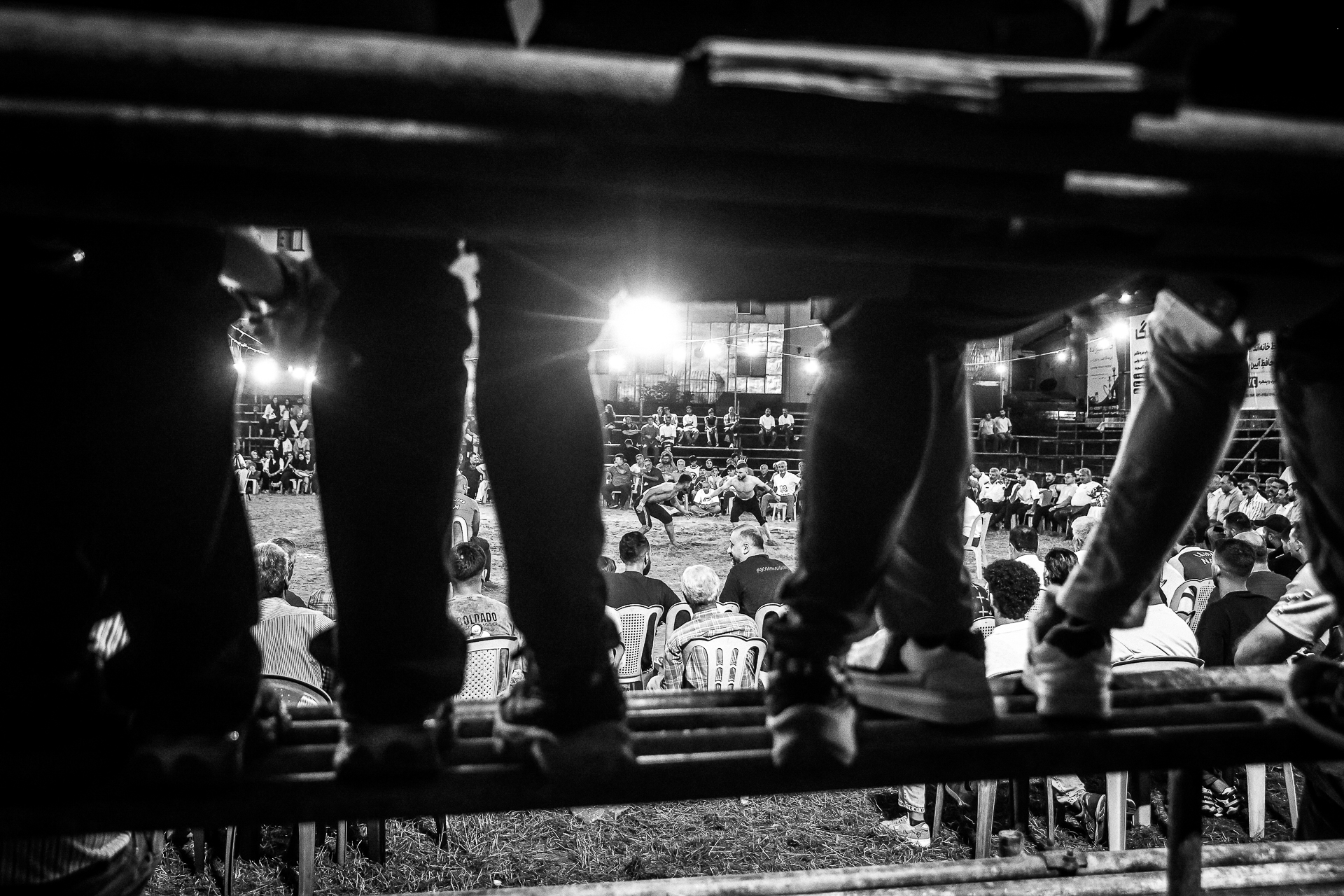
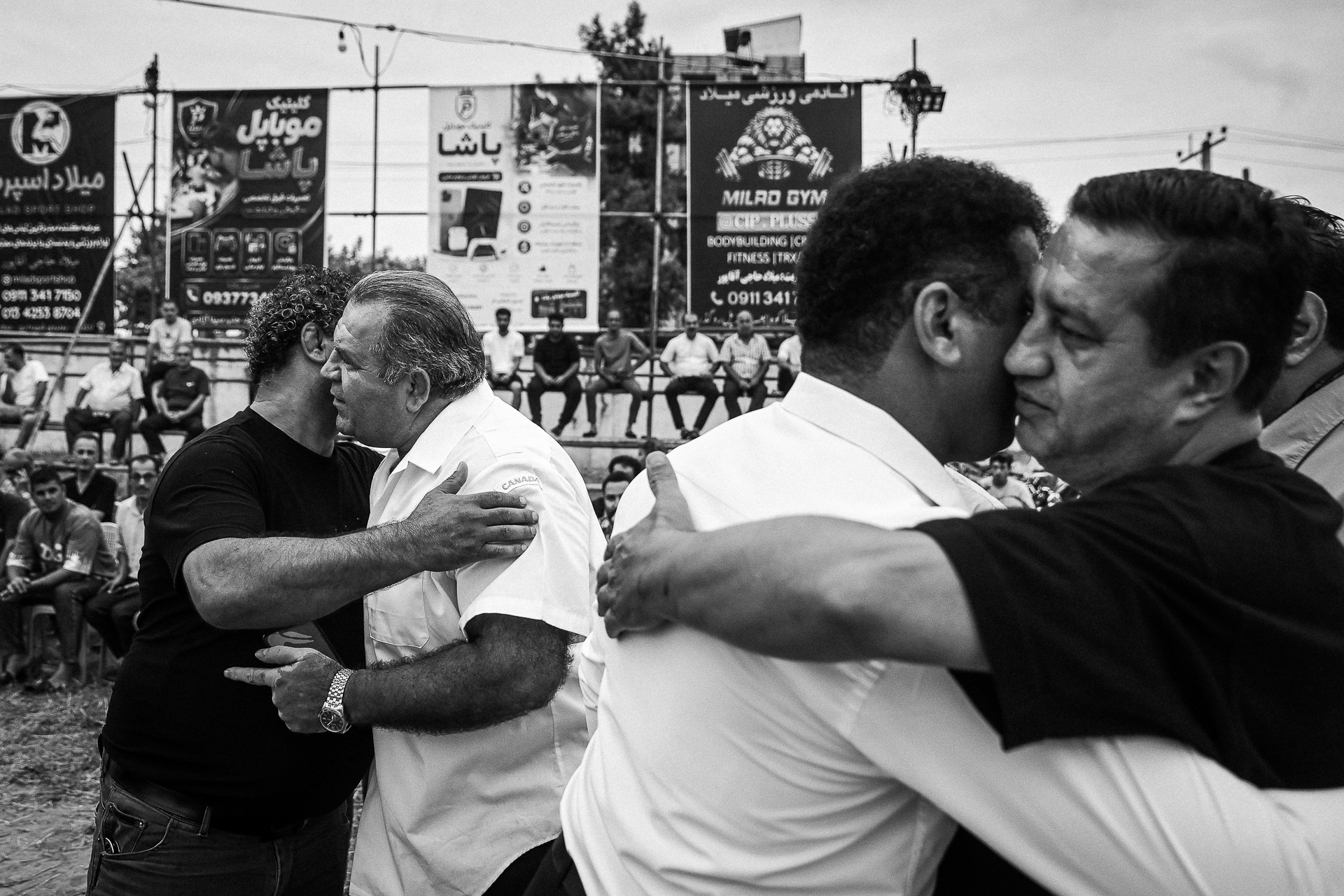
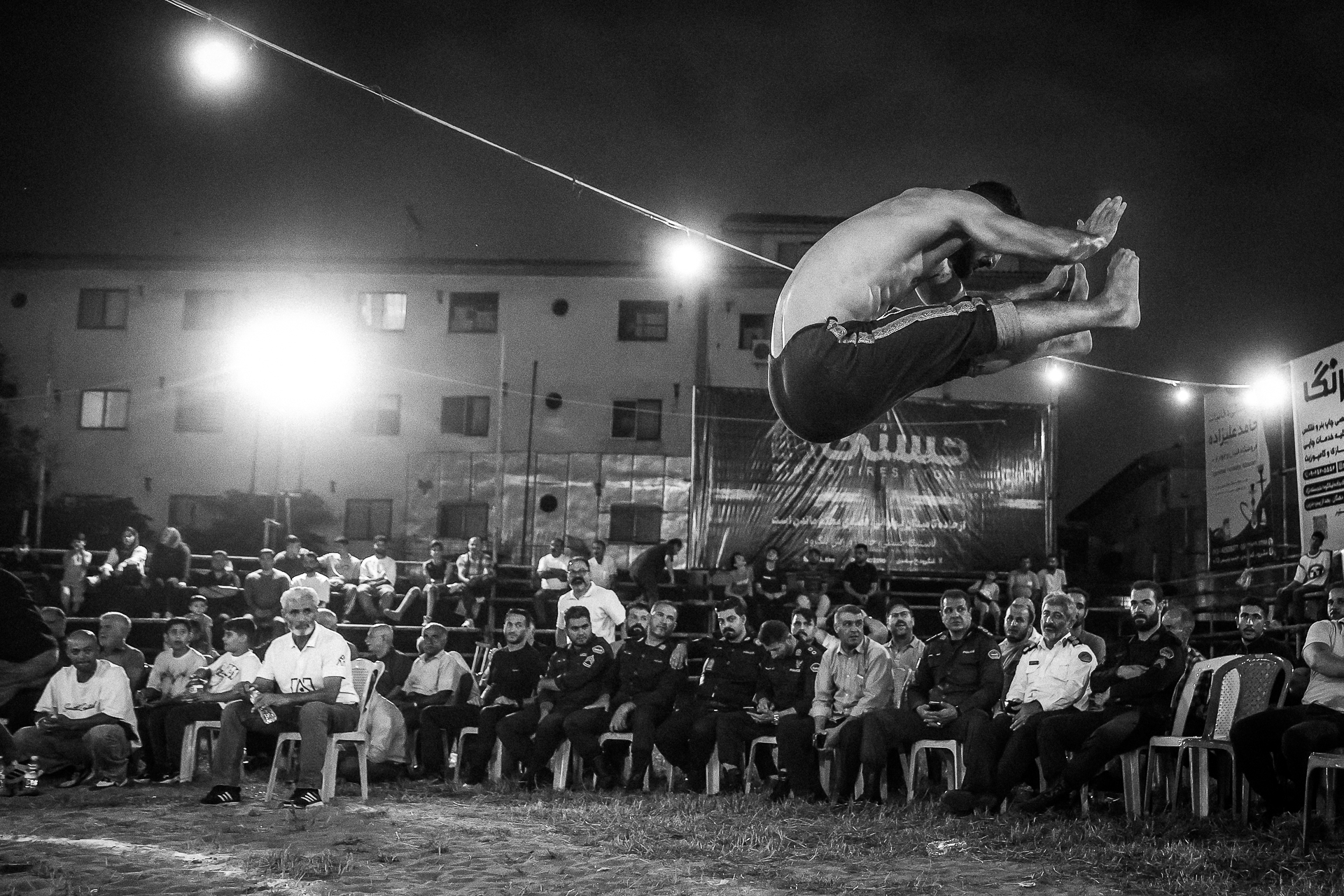
Gileh Mard wrestling is not simply a sport; it is a culture. This culture does not exist only in the wrestling arena or in the moment when two wrestlers confront each other. An important part of it takes shape among the men who gather to watch the matches—in the interactions that unfold before and after the bouts, in the looks, jokes, conversations, embraces, and kisses exchanged between them.
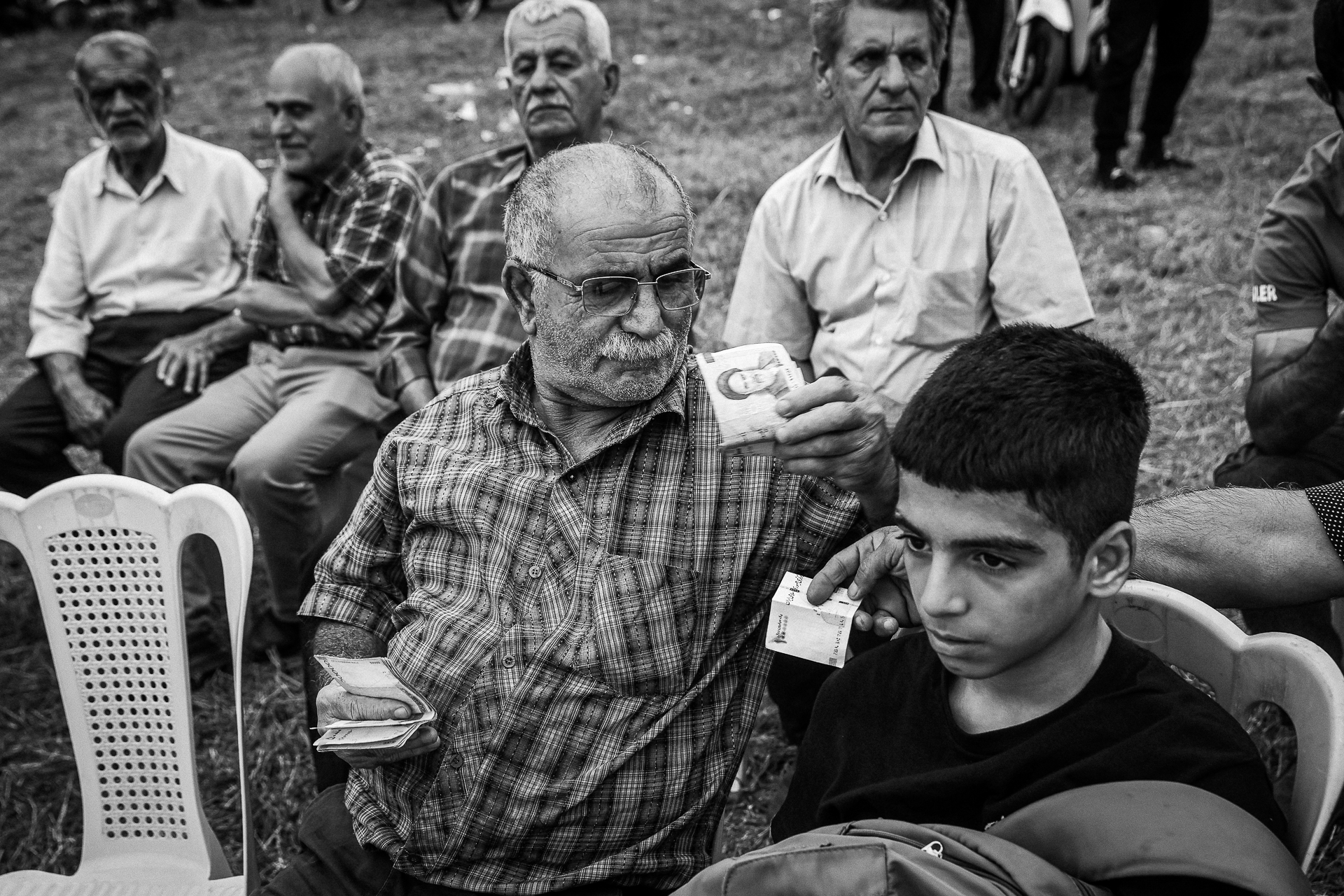
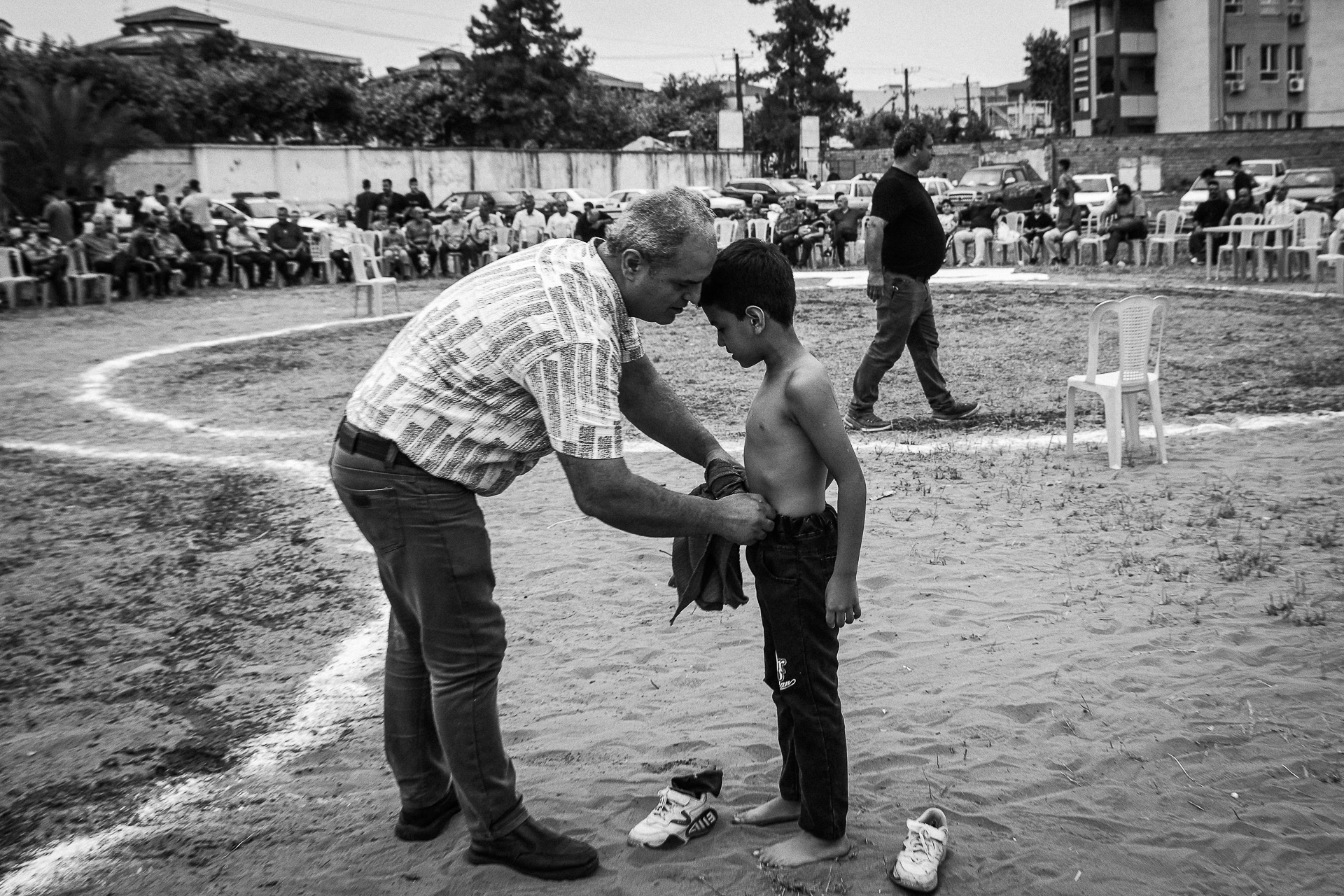
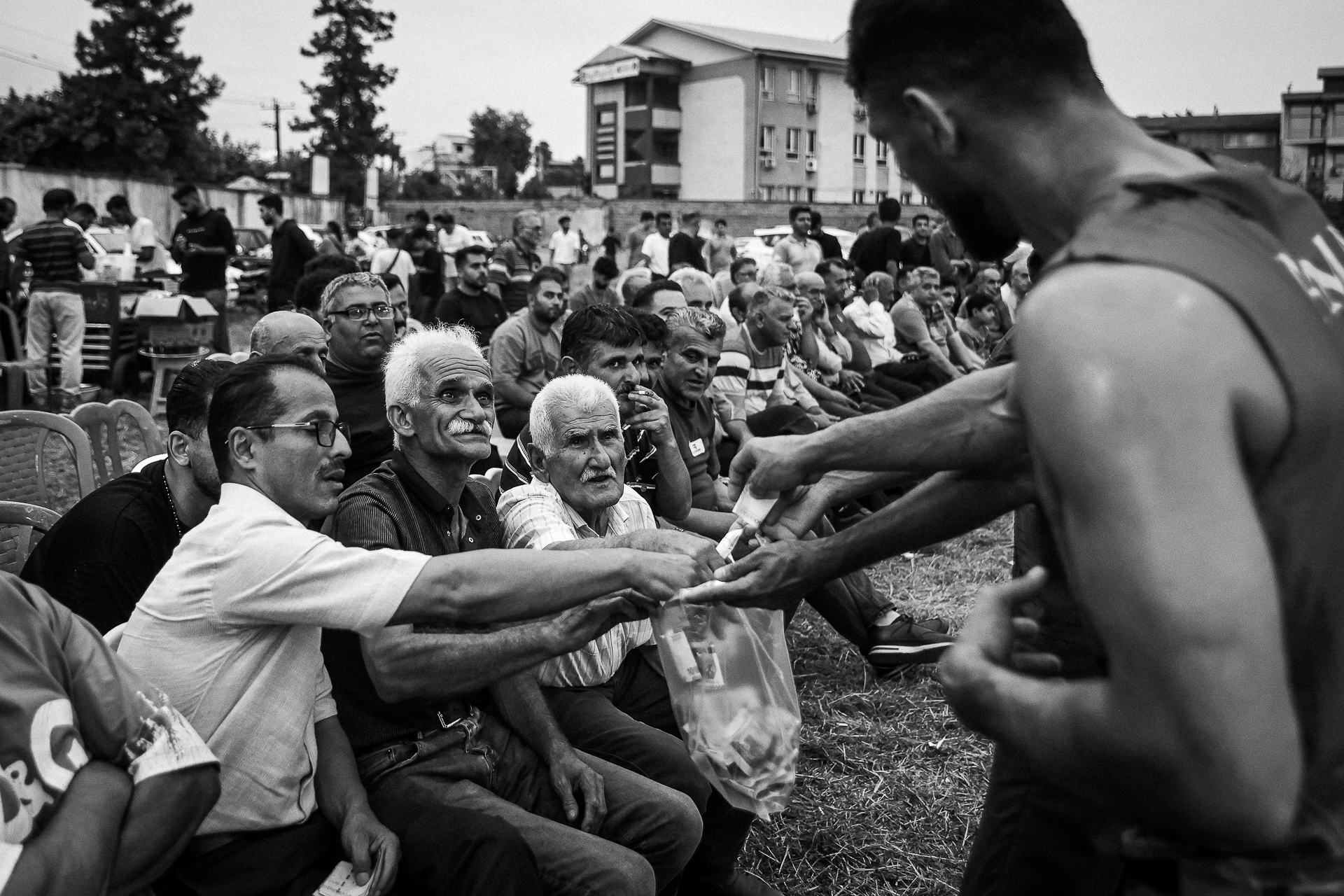
Within this environment, wrestling is accompanied by a set of traditional codes of chivalry. These customs blur the boundaries between competition and friendship. Wrestlers enter the arena to win, but their relationship is not limited to defeating one another. Respect for an opponent, shaking hands, and accepting the other are all part of a culture that places strength alongside sportsmanship and generosity. One of these traditions is the money given to the winner by spectators after a bout. Money is part of the social and ritual structure of these matches. By offering money, spectators and those present publicly acknowledge a wrestler’s victory, strength, and standing within the arena.
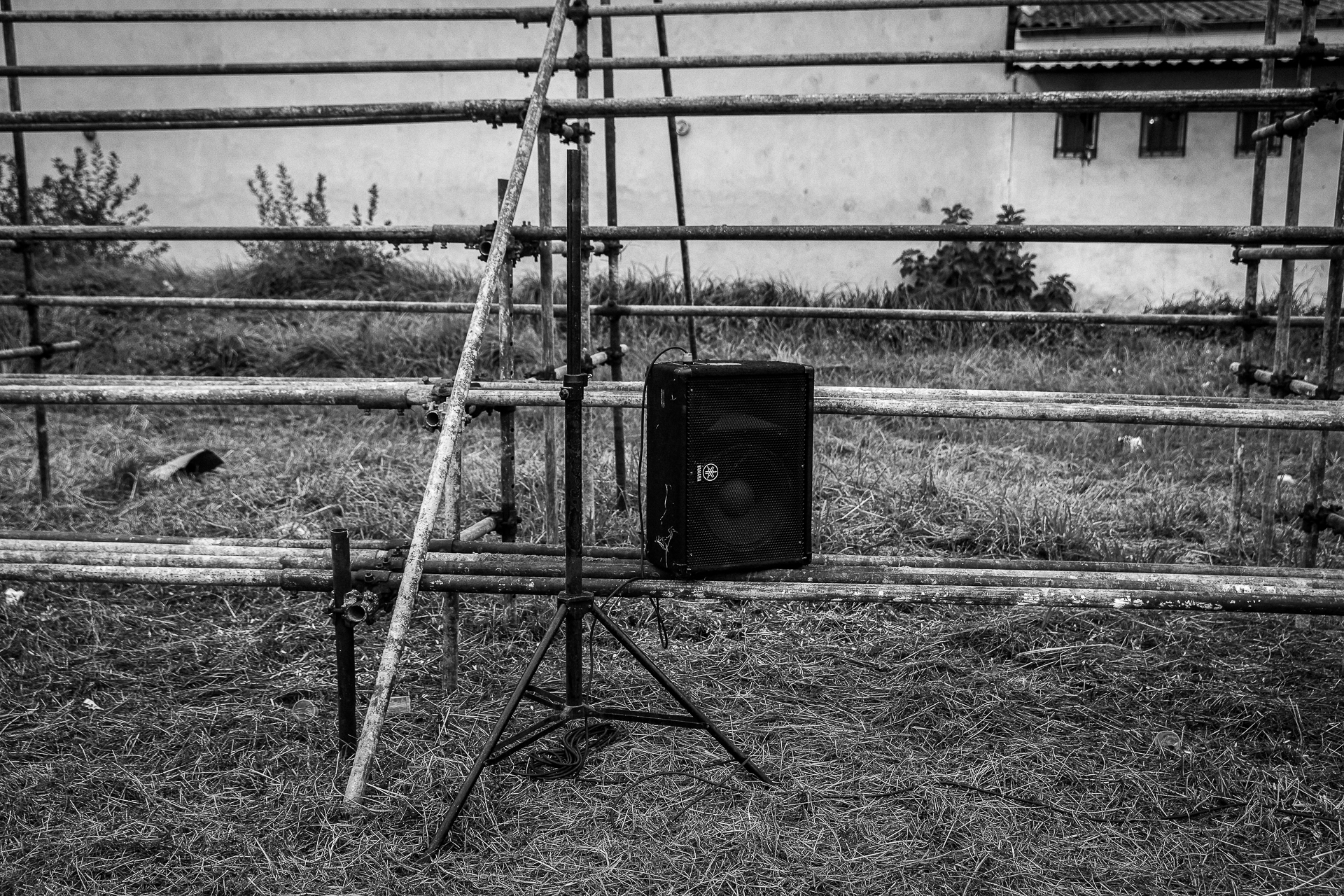
Even the way the match is narrated takes a different form. The commentator does not simply announce the result or describe the wrestling techniques. Through poetry, innuendo, and the language of the pahlavan—the traditional figure of the wrestler-champion—he narrates the atmosphere of the arena, and his words become part of the spectacle itself.
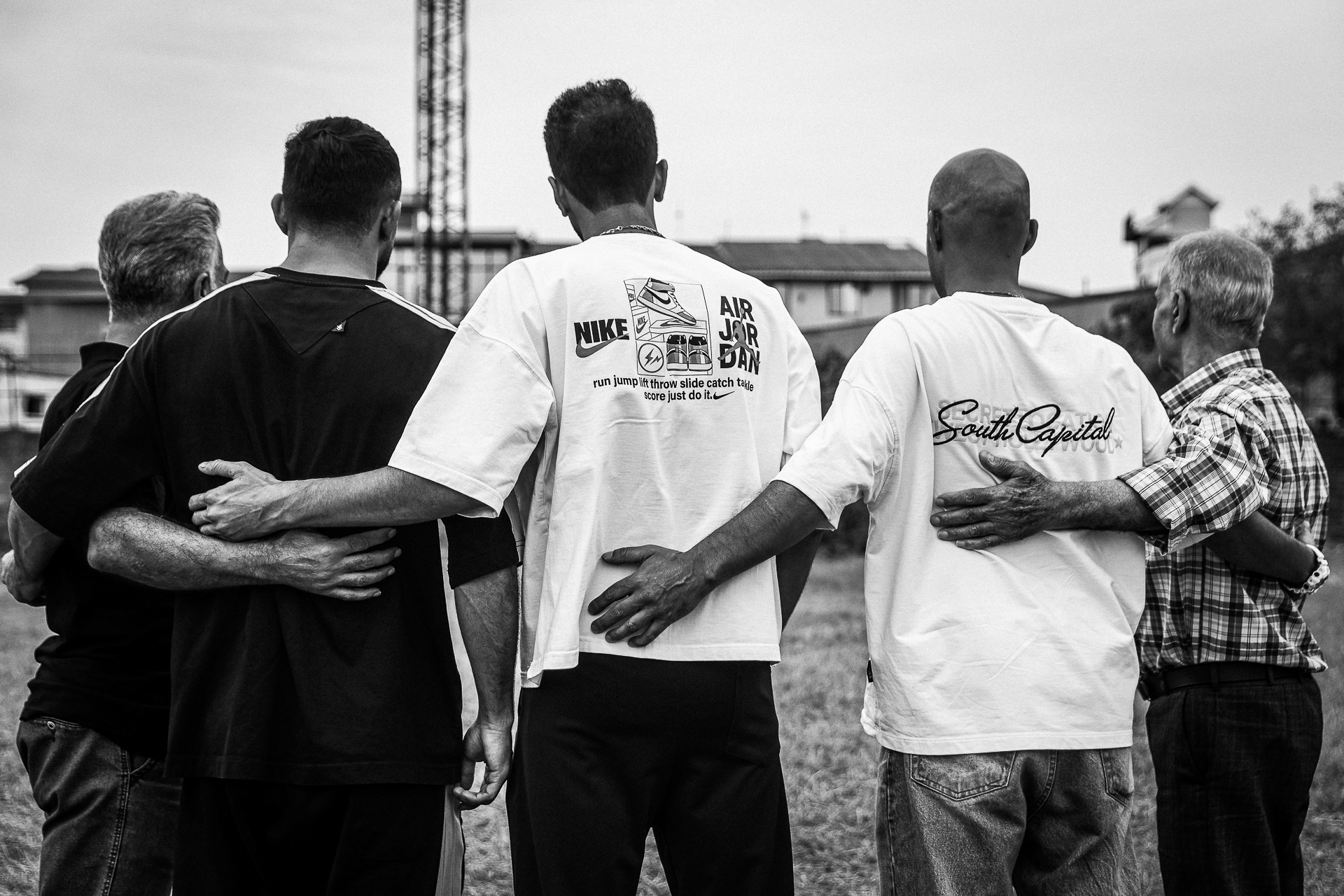
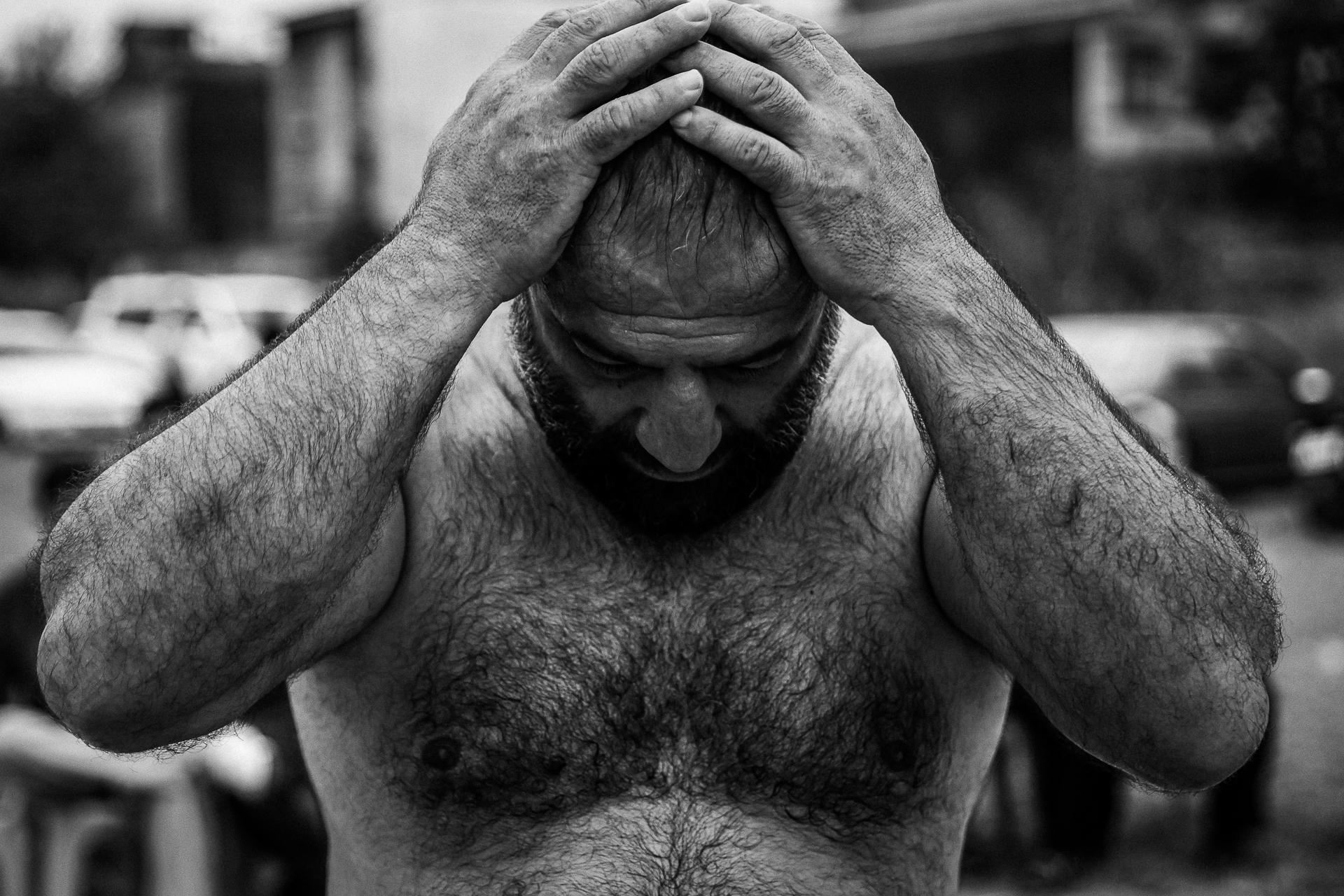
Alongside these customs, relationships between men gradually take on different forms. Men who compete against one another for strength and victory inside the arena sit together with intimacy outside it, forming close and often affectionate relationships. The male body here can simultaneously signify strength, violence, intimacy, and vulnerability.
Gileh Mard wrestling is a world in which wrestling, spectatorship, poetry, money, the body, and traditions of chivalry come together to form a social ritual. Within this ritual, aspects of masculine culture and the meaning of the pahlavan reveal themselves not only in the arena, but also in the behavior and relationships of the people who gather around it.
PNSELMA2026-Sharifzade-Ali-01.jpg
PNSELMA2026-Sharifzade-Ali-02.jpg
PNSELMA2026-Sharifzade-Ali-03.jpg
PNSELMA2026-Sharifzade-Ali-04.jpg
PNSELMA2026-Sharifzade-Ali-05.jpg
PNSELMA2026-Sharifzade-Ali-06.jpg
PNSELMA2026-Sharifzade-Ali-07.jpg
PNSELMA2026-Sharifzade-Ali-08.jpg
PNSELMA2026-Sharifzade-Ali-09.jpg
PNSELMA2026-Sharifzade-Ali-10.jpg
PNSELMA2026-Sharifzade-Ali-11.jpg
PNSELMA2026-Sharifzade-Ali-12.jpg
PNSELMA2026-Sharifzade-Ali-13.jpg
PNSELMA2026-Sharifzade-Ali-14.jpg
PNSELMA2026-Sharifzade-Ali-15.jpg
PNSELMA2026-Sharifzade-Ali-16.jpg
PNSELMA2026-Sharifzade-Ali-17.jpg
PNSELMA2026-Sharifzade-Ali-18.jpg
PNSELMA2026-Sharifzade-Ali-19.jpg
PNSELMA2026-Sharifzade-Ali-20.jpg
PNSELMA2026-Sharifzade-Ali-21.jpg
PNSELMA2026-Sharifzade-Ali-22.jpg
PNSELMA2026-Sharifzade-Ali-23.jpg
PNSELMA2026-Sharifzade-Ali-24.jpg
PNSELMA2026-Sharifzade-Ali-25.jpg
PNSELMA2026-Sharifzade-Ali-26.jpg
PNSELMA2026-Sharifzade-Ali-27.jpg
PNSELMA2026-Sharifzade-Ali-28.jpg
PNSELMA2026-Sharifzade-Ali-29.jpg