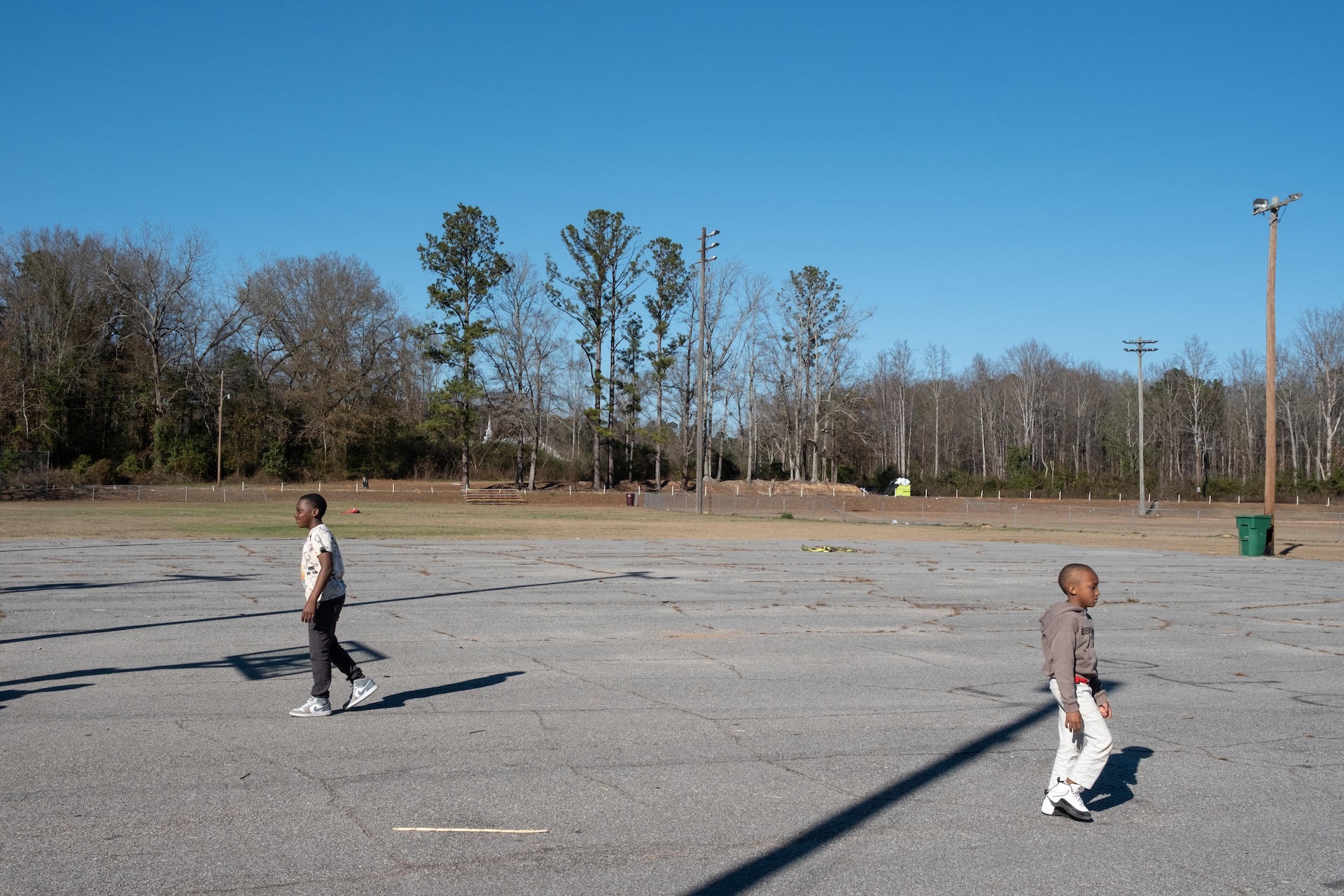
Didimos Johnson Pulikkottil
« I live here »
Biography:
Didimos Johnson Pulikkottil, originally from Kerala, India, is a self-taught photographer and a Chemistry PhD candidate at Auburn University. His interest in photography began while spending time at a neighbor’s photo lab, where he enjoyed both taking pictures and learning the science behind them.
His photography projects often begin with a simple question. When telling these stories, he likes to think about how he would explain them to his niece, keeping them simple and easy to understand. His photographs have been exhibited nationally and internationally.
He recently received an Alabama Arts Verdant Grant to support his photography project in Camp Hill, Alabama. He is also the co-founder and artistic director of the Red Dirt Biennale, which brings together art, history, and science to start conversations around the theme Power in Place.
United States
https://didimosjohnsonphotos.org
https://www.instagram.com/didimos_johnson/
https://www.facebook.com/didimos.johnson/
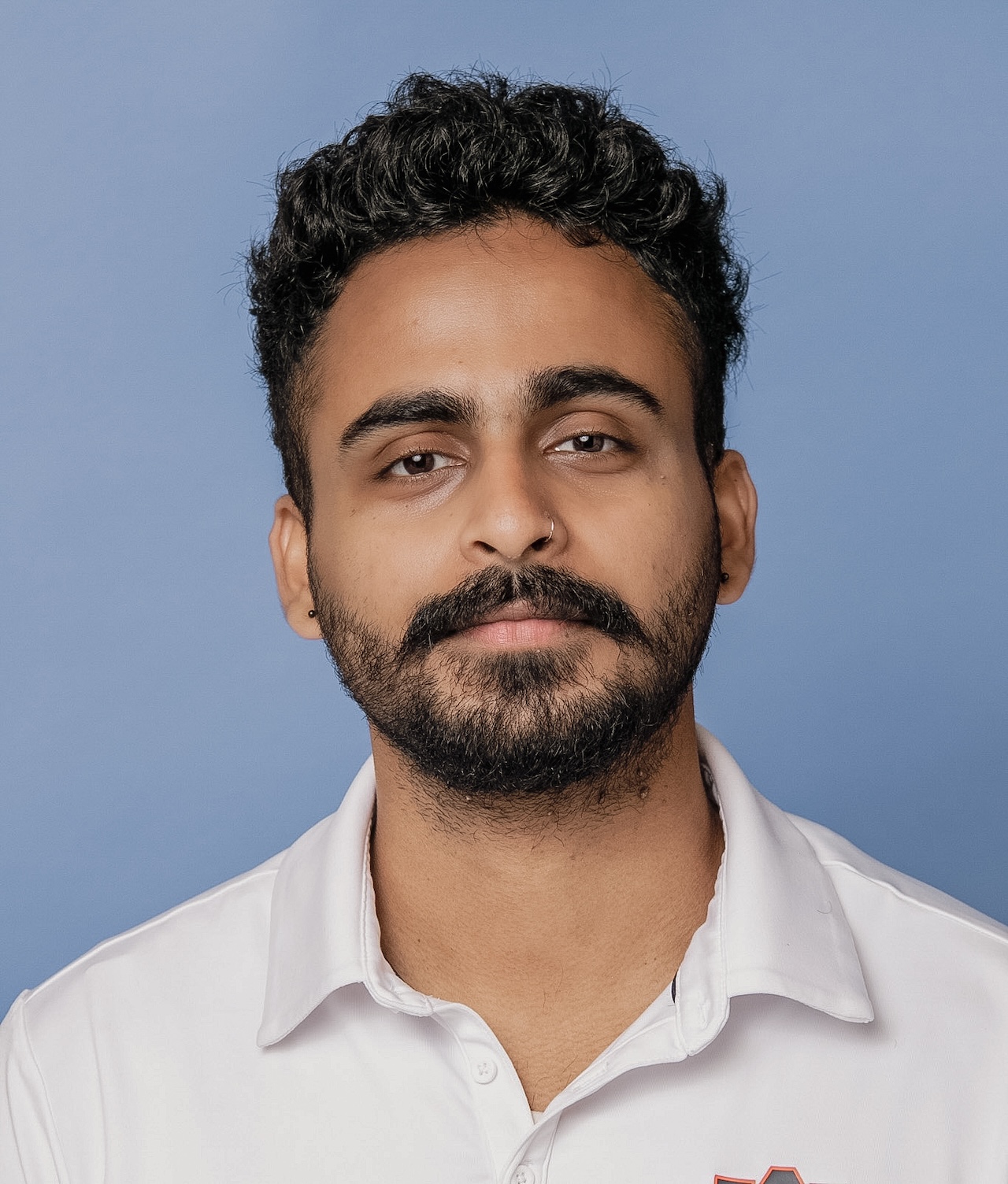
I live here
I Live Here
While researching Camp Hill, Alabama, I came across a story published in an old local newspaper. A traveler passing through a remote area noticed a modest house with a beautifully kept garden, blooming roses, and a welcoming yard. Impressed, he approached the woman who lived there and remarked on how beautiful her home was. She looked up from tending her flowers and replied, “Course it is, I lives here.”
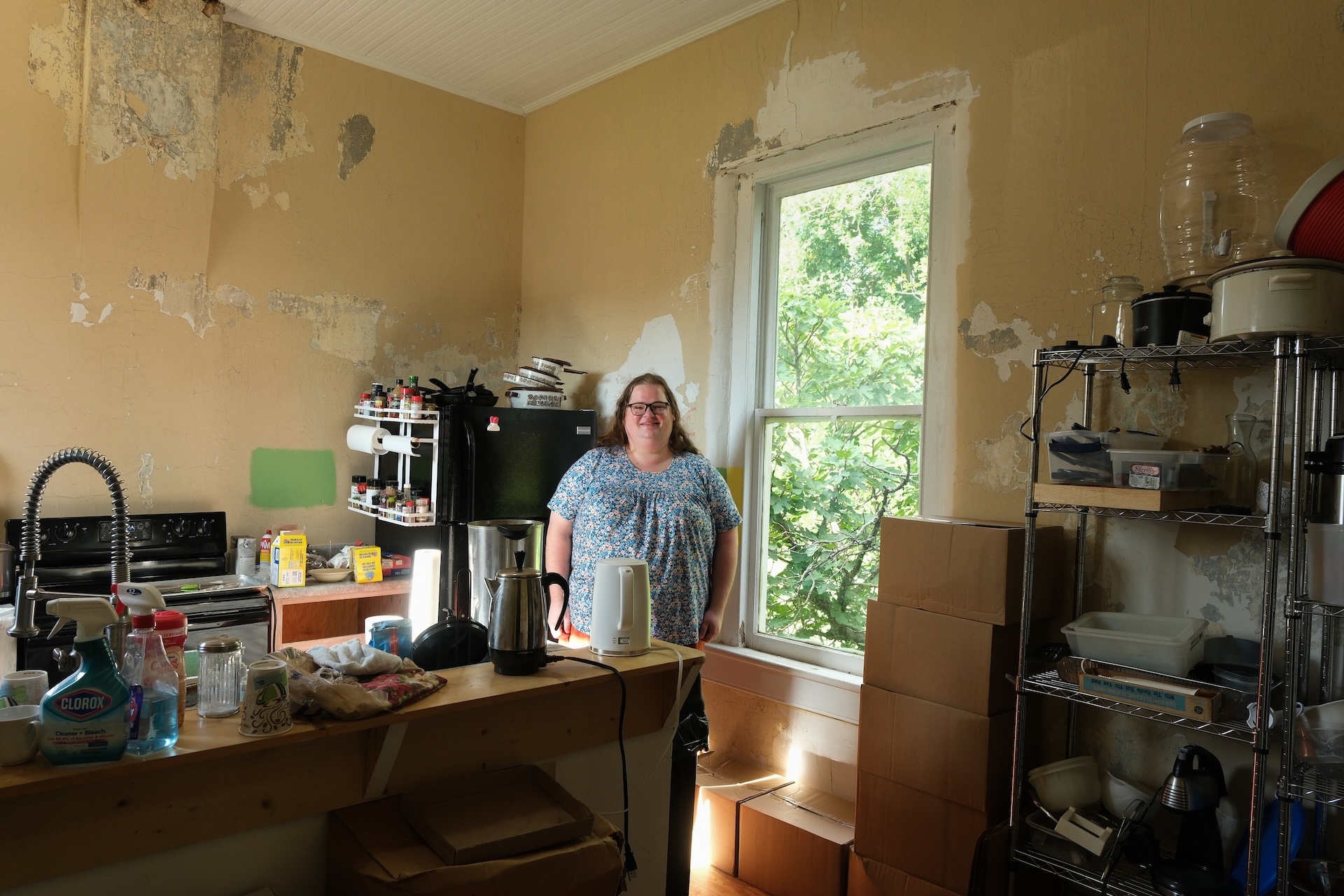
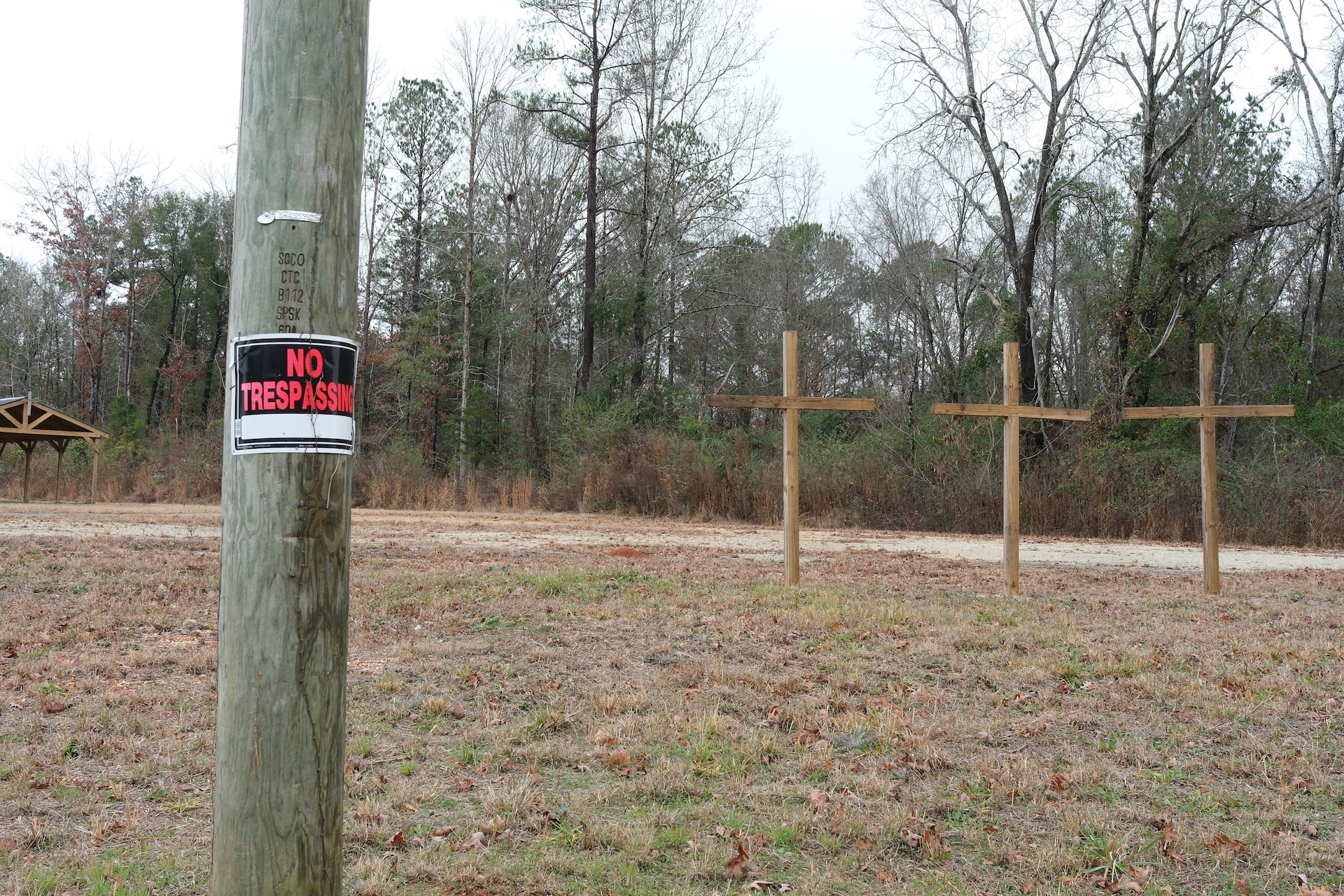
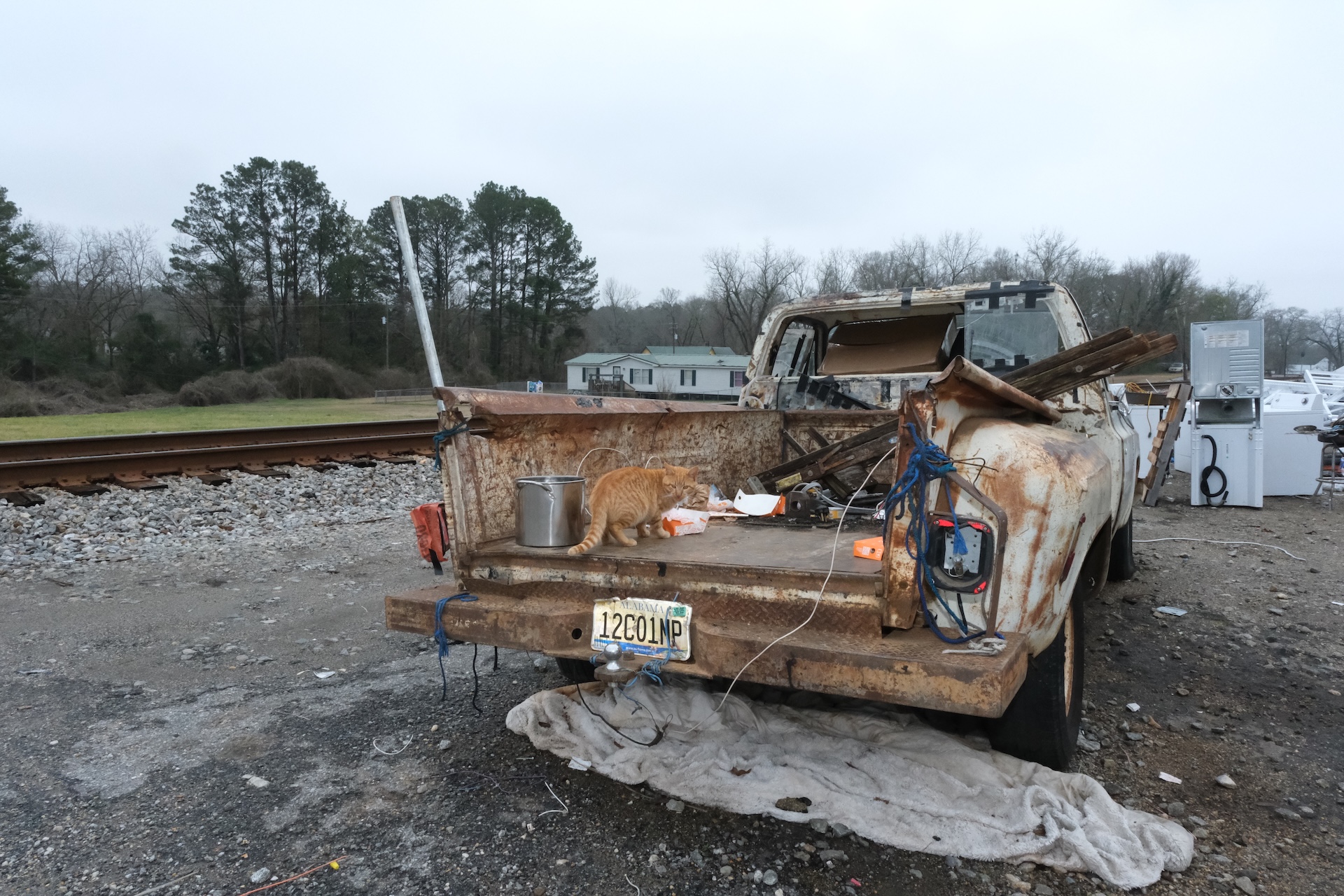
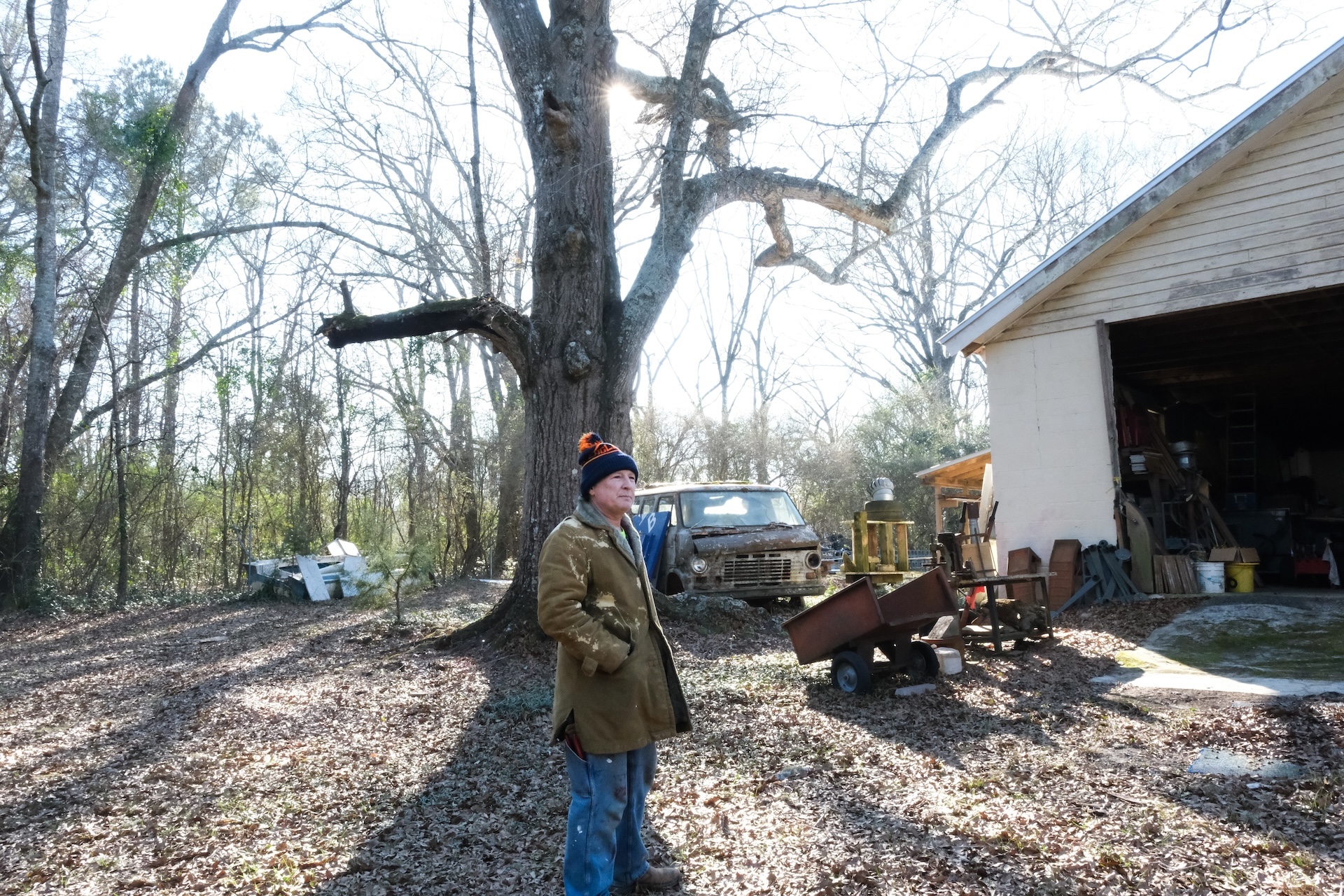
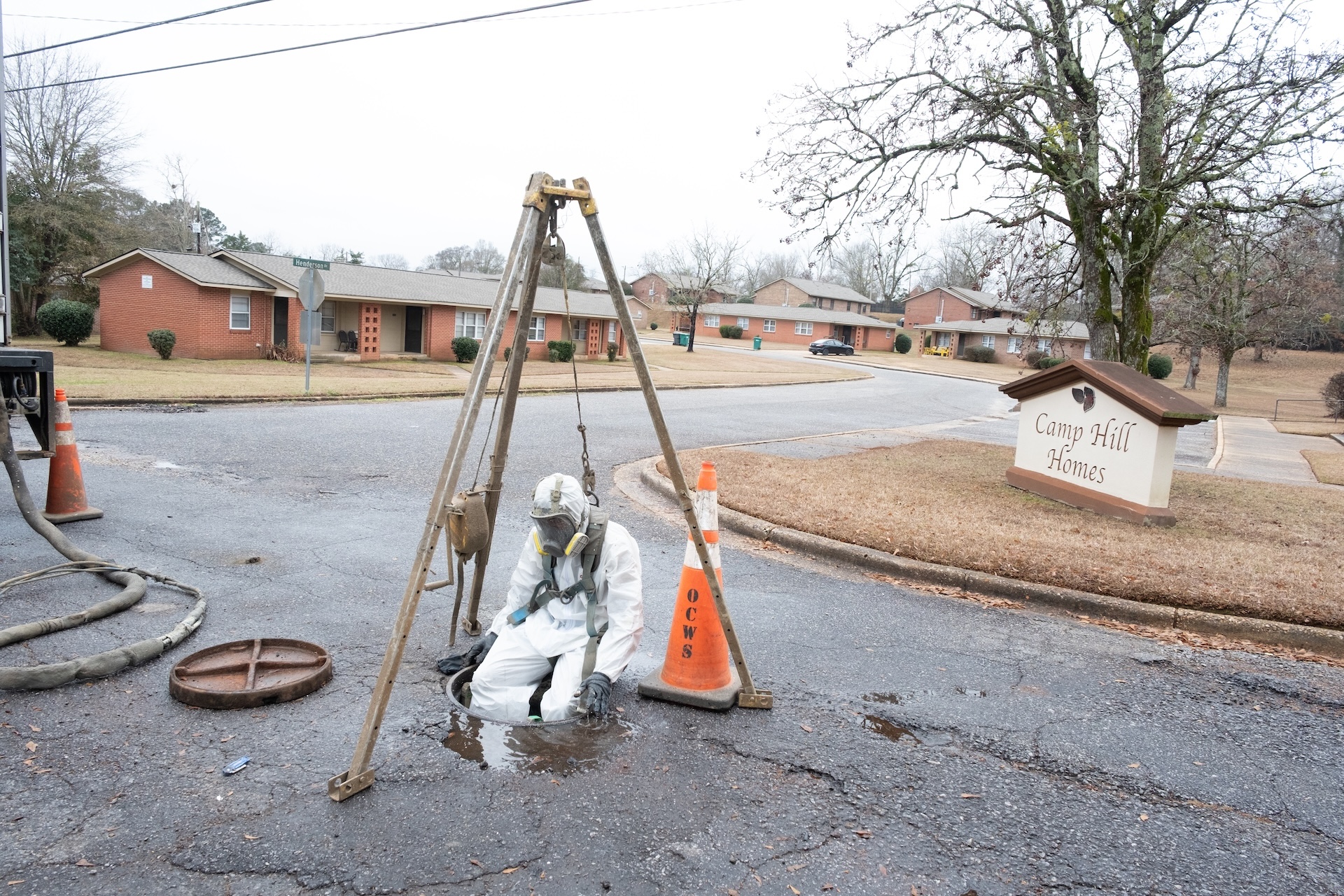
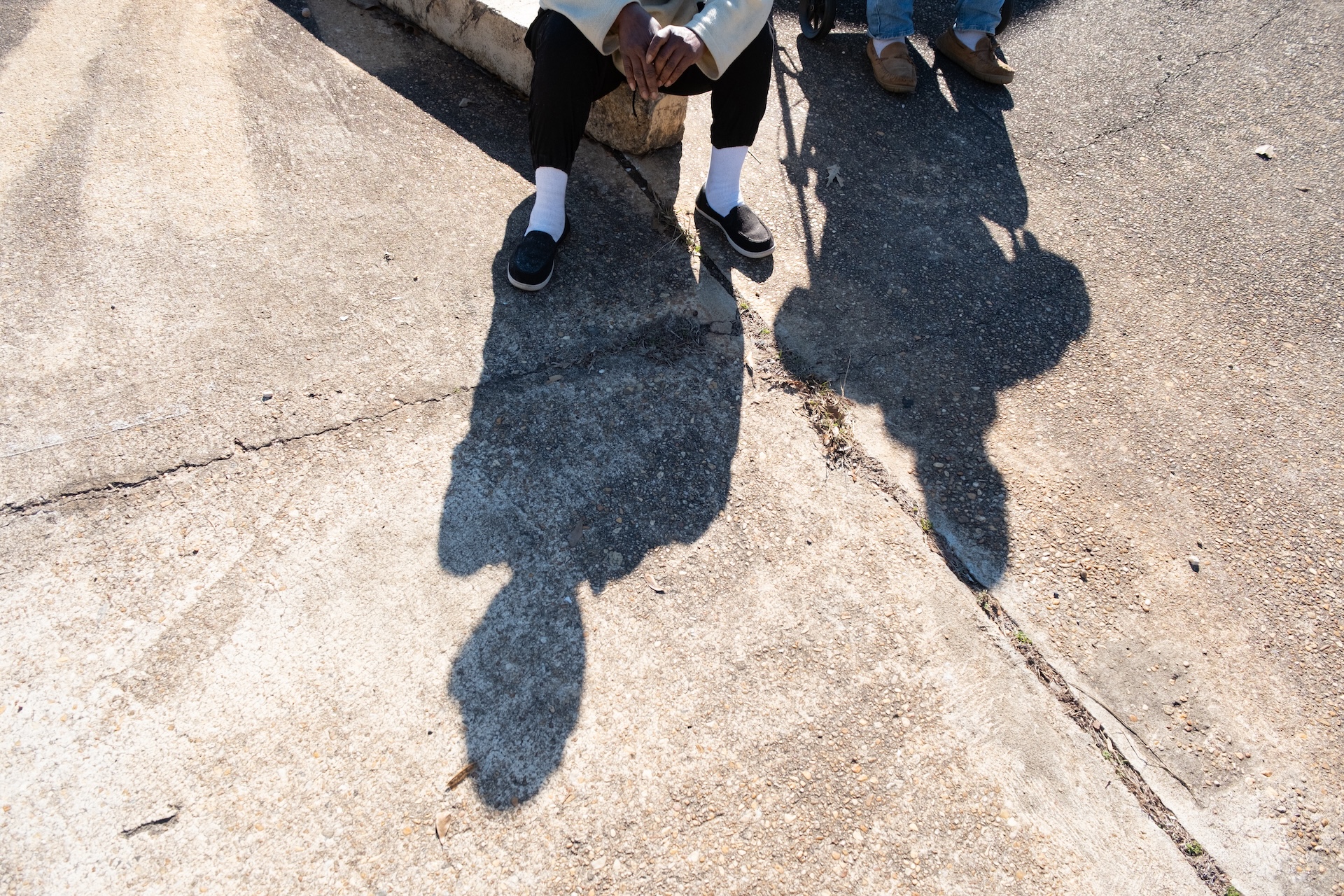
When I first visited Camp Hill for a friend's wedding in 2024, I saw something very different. I noticed abandoned houses, deteriorating buildings, and signs reading “No Trespassing.” In some places, belongings were still scattered around, making it seem as though people had suddenly walked away. I wondered what had happened to the town. As an international student, I know what it feels like to leave home while carrying its memories with me.
That made me want to learn more about Camp Hill. I began visiting more often, taking photographs, and talking to people. Initially, many residents were hesitant to speak with me, especially when I approached them with a camera. I later understood why. Visitors had come before me to photograph the abandoned buildings, and videos online portrayed Camp Hill as another ghost town in Alabama. But as I spent more time walking through the town and getting to know its residents, I began to see a different Camp Hill.
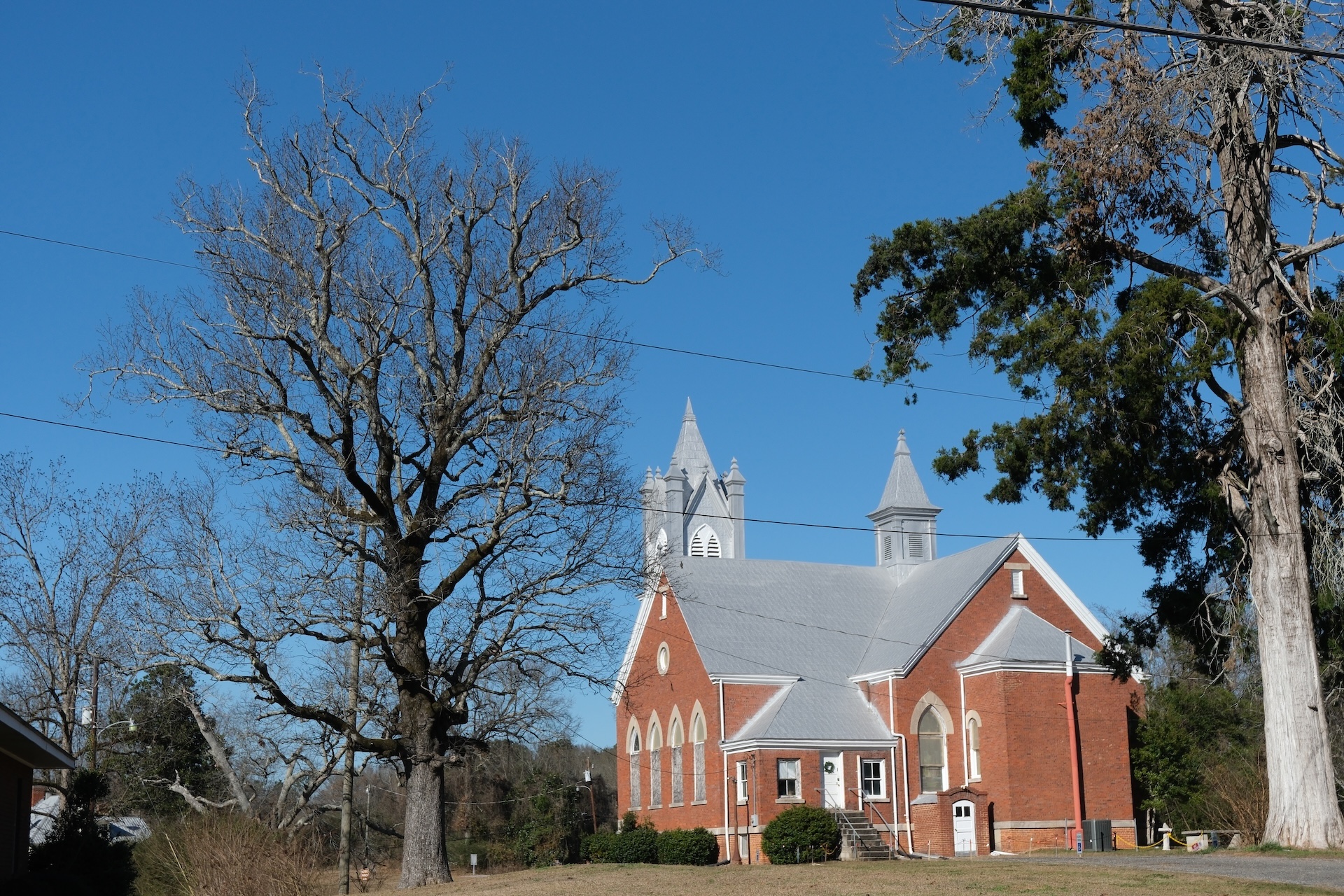
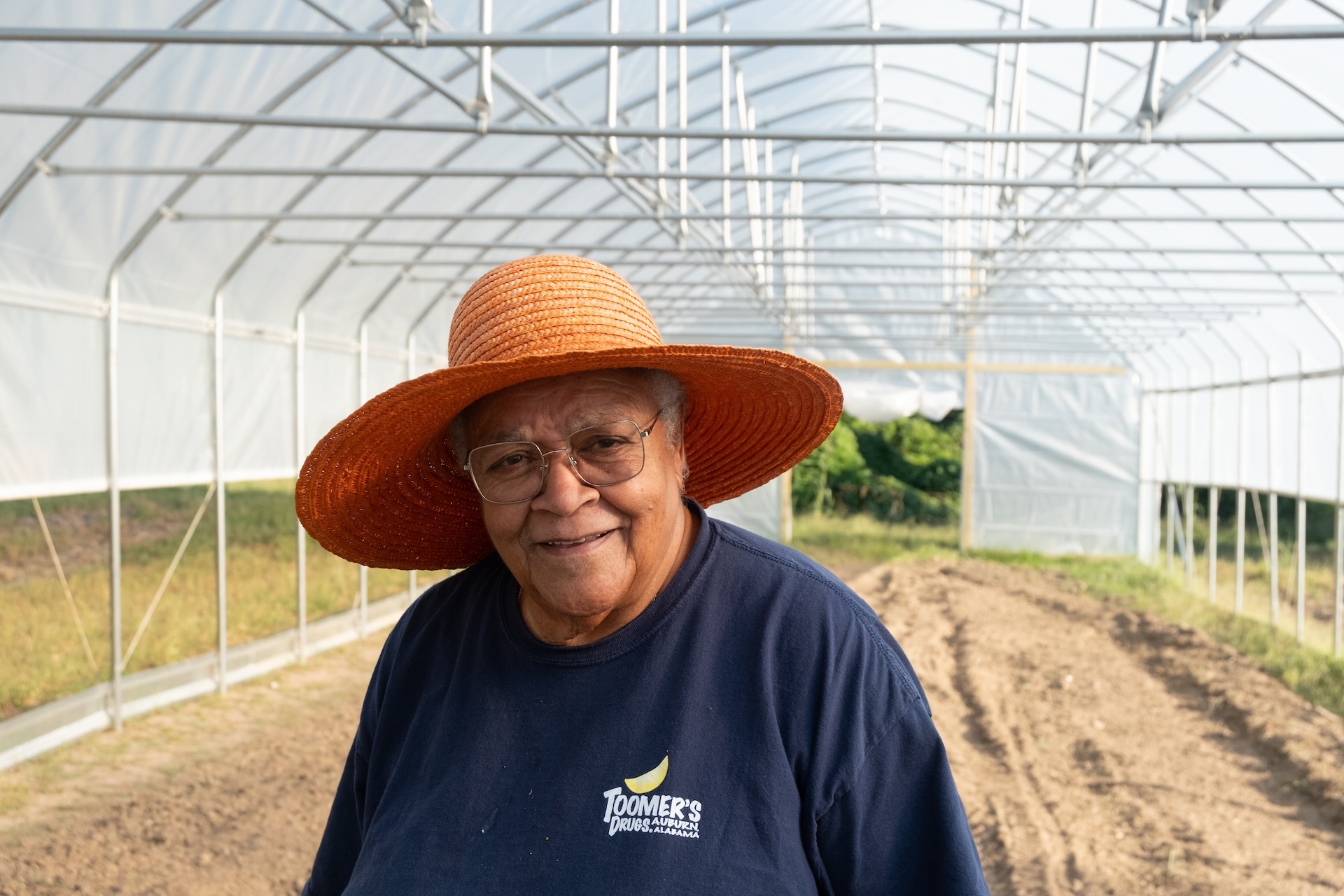
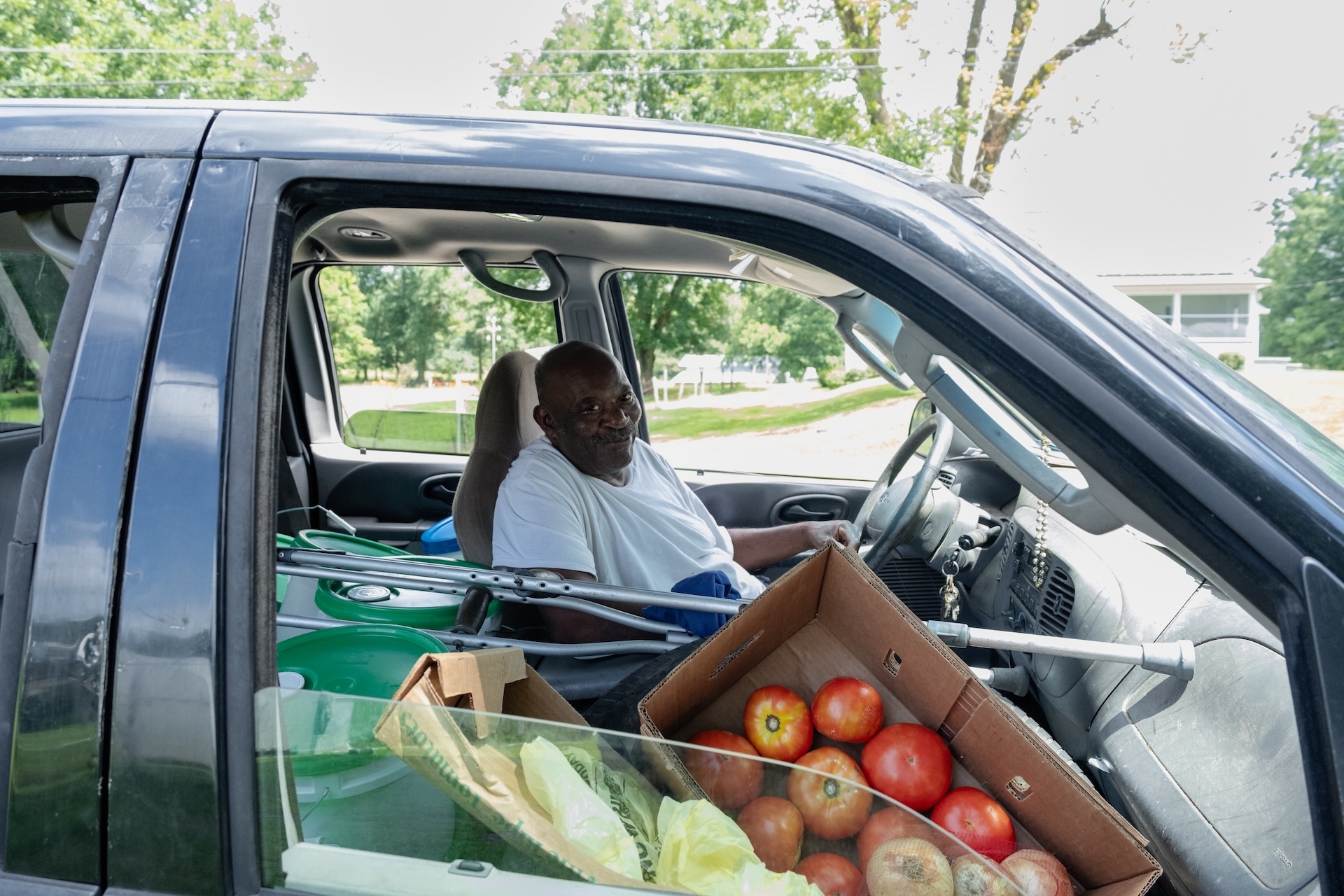
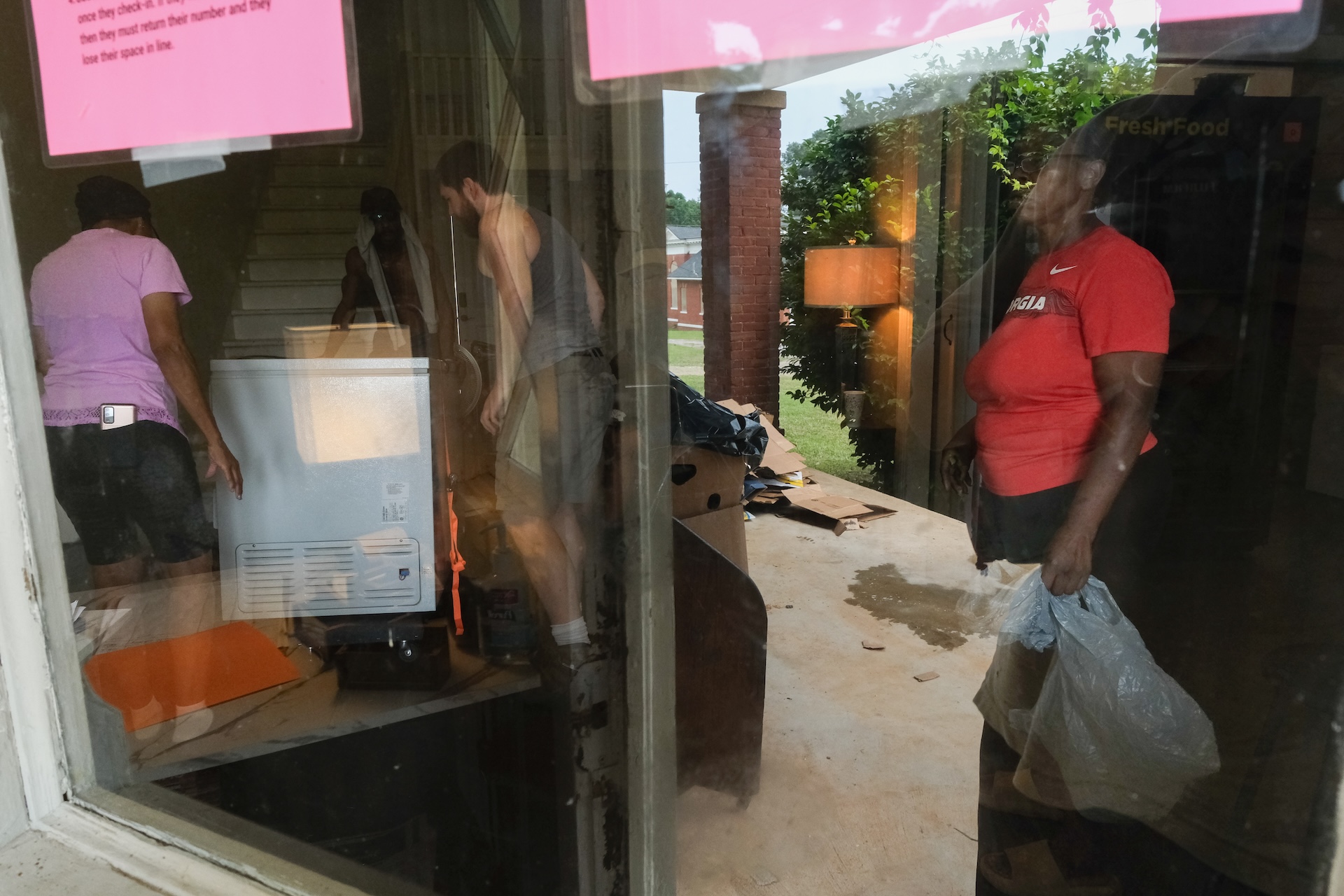
I met residents who supported their neighbors and worked to keep community spaces alive. I learned how churches, local organizations, and food pantries continued to bring people together. Through conversations with residents, I also learned about Camp Hill's history of the Sharecroppers' Union, when Black farmers organized for better working conditions in the 1930s, and the town's traditions of music and art.
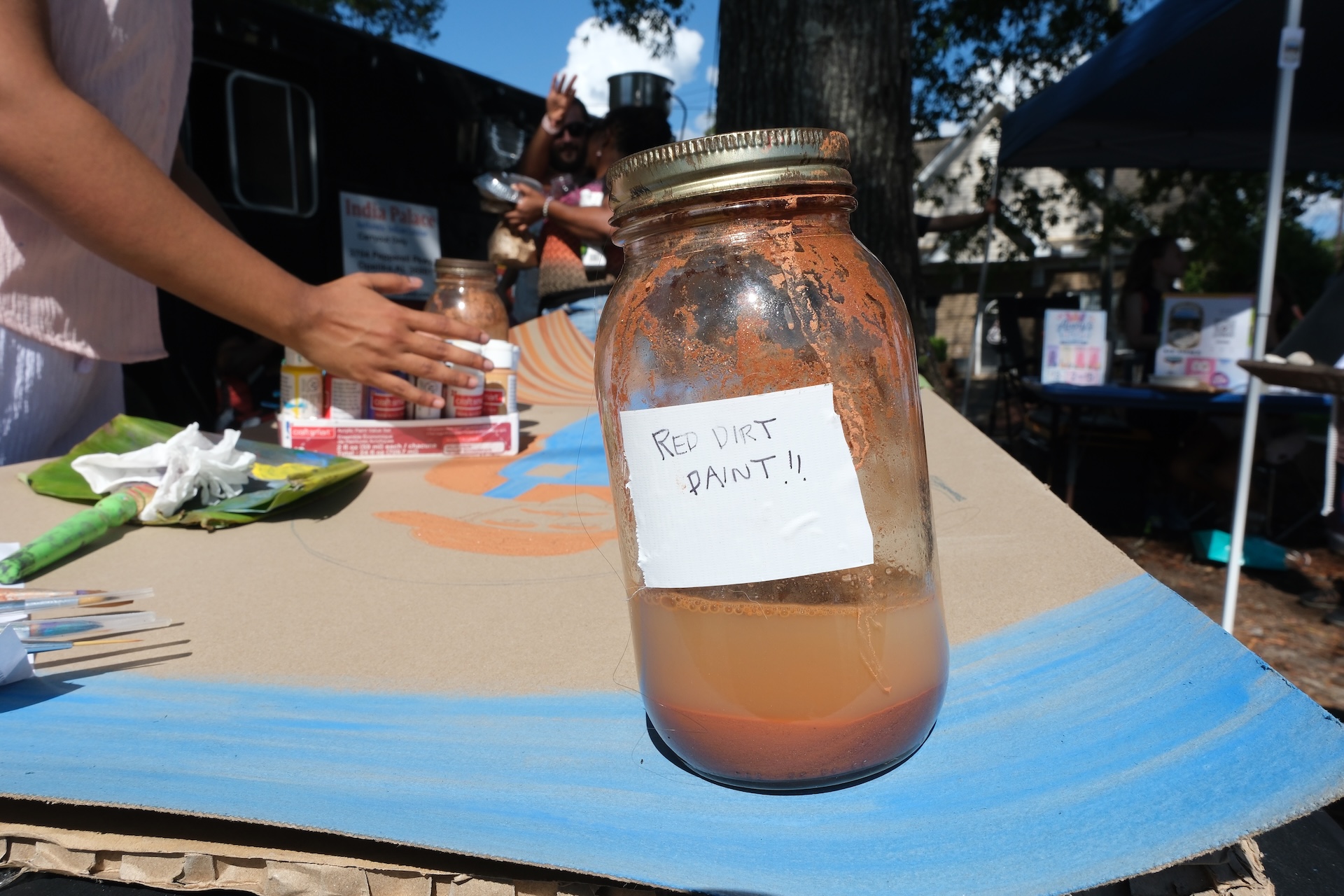
I never imagined that my curiosity about why people had left would lead me to become involved with those who stayed. The people I met and the stories they shared stayed with me. I wanted to do something beyond taking photographs, so I began working with local residents and artists to organize the Red Dirt Biennale, a community art event exploring the theme Power in Place.
I keep returning to the woman's words from the old newspaper. What stayed with me wasn't just how she cared for her home, but how proudly she said, “I lives here.” As I got to know the people of Camp Hill, I began to see that same pride in the way they spoke about their town and called it home.
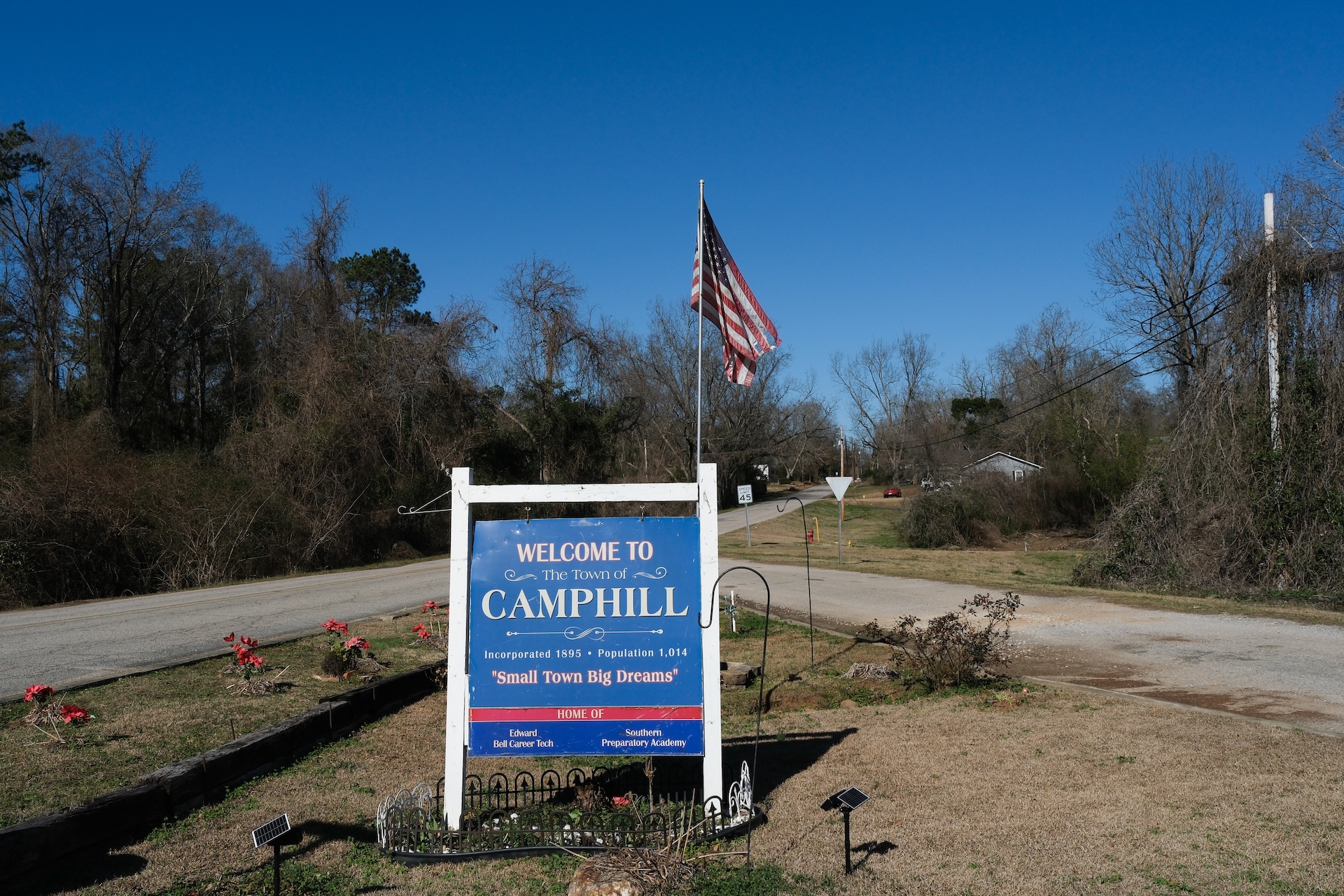
PNSELMA2026-Johnson-Didimos-01.jpg.jpg.jpg
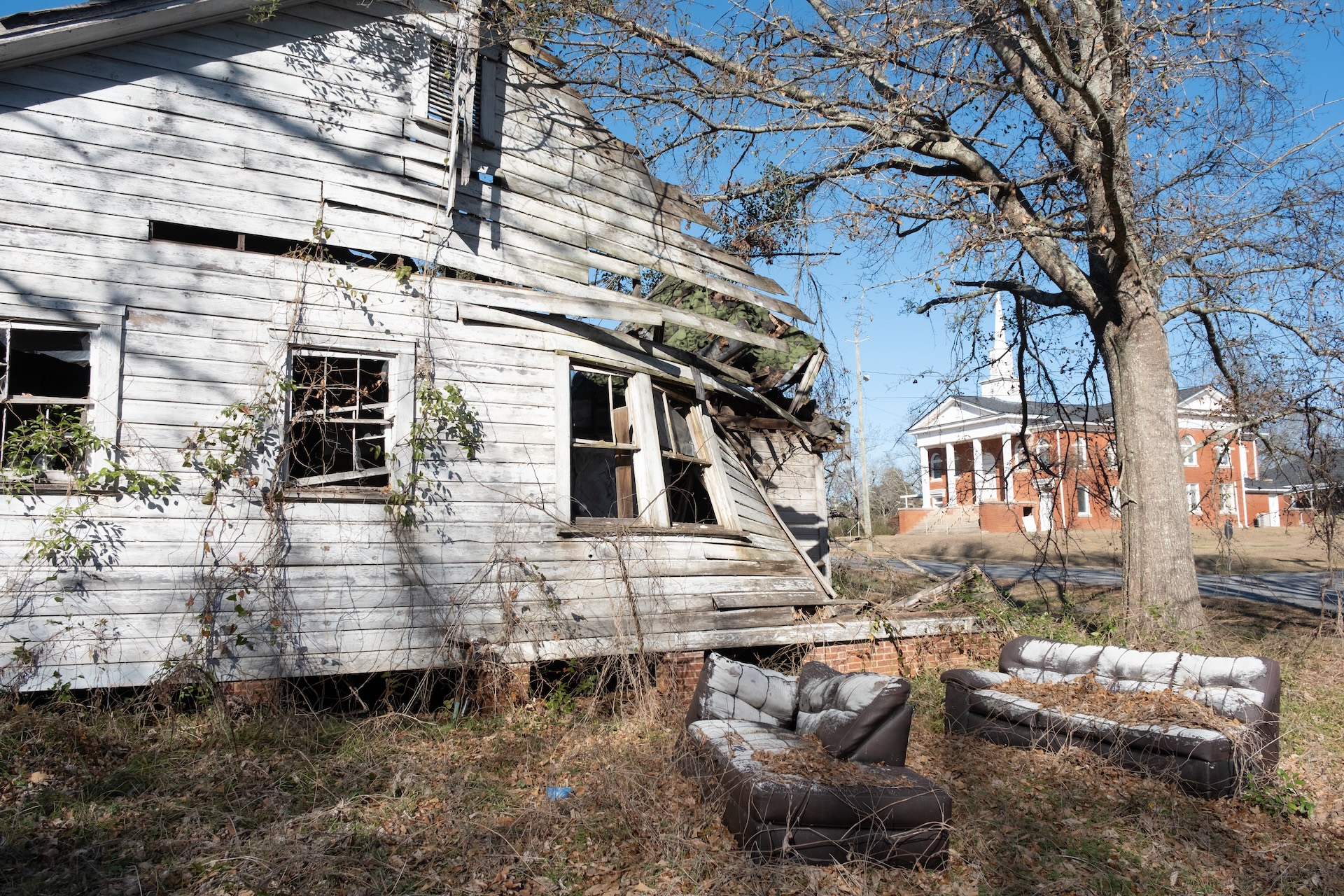
PNSELMA2026-Johnson-Didimos-02.jpg
PNSELMA2026-Johnson-Didimos-03.jpg
PNSELMA2026-Johnson-Didimos-04.JPG
PNSELMA2026-Johnson-Didimos-05.JPG
PNSELMA2026-Johnson-Didimos-06.JPG
PNSELMA2026-Johnson-Didimos-07.JPG
PNSELMA2026-Johnson-Didimos-08.jpg
PNSELMA2026-Johnson-Didimos-09.JPG
PNSELMA2026-Johnson-Didimos-10.jpg
PNSELMA2026-Johnson-Didimos-11.jpg
PNSELMA2026-Johnson-Didimos-12.jpg
PNSELMA2026-Johnson-Didimos-13.JPG
PNSELMA2026-Johnson-Didimos-14.JPG