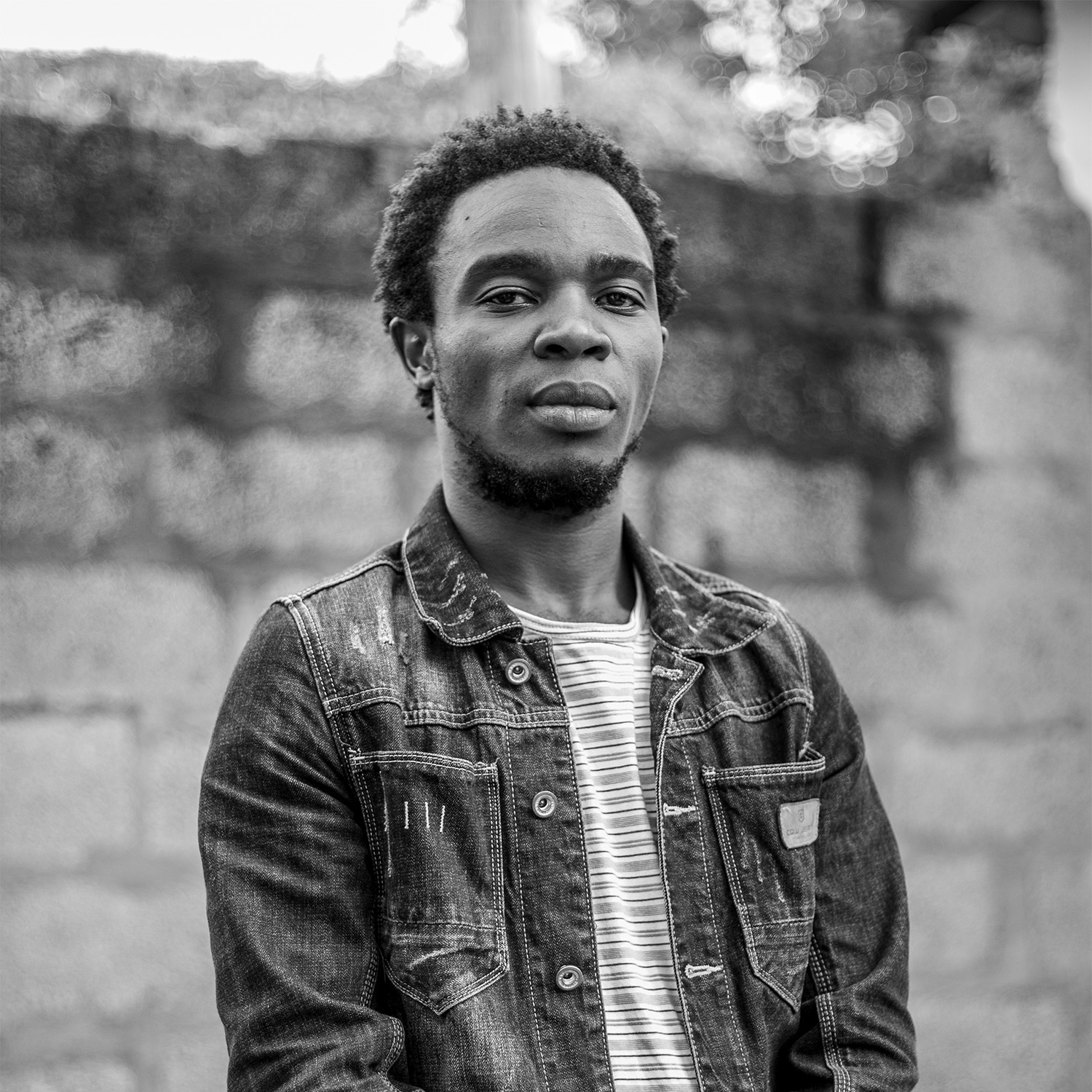
Rashidi Nadhir
« ENKARNA »
Biography:
Rashidi Nadhir Mrindoko is a Tanzanian photographer and cultural entrepreneur based in Arusha. He has over ten years of experience working across photography, visual storytelling, cultural projects, festivals, and creative communication.
His photography focuses on people, identity, culture, everyday life, and social realities, with a particular interest in stories that reflect contemporary African communities and changing cultural landscapes. He approaches photography as a way of documenting real experiences while creating space for dialogue and different perspectives.
Rashidi has worked with local and international artists, festivals, and cultural organisations across East Africa. His experience includes photography, festival coordination, artist management, graphic design, event production, and cultural project development. He has contributed to festivals including Sauti za Busara in Zanzibar, Bayimba Festival in Uganda, Marahaba Music Expo in Burundi, and other cultural events in Tanzania and the region.
His photographic work has been exhibited at the Abuja International Photo Festival (2025). In 2024, he won the “Overpower. Overtake. Overcome: Women in Sports Photography Competition.”
Alongside his creative practice, Rashidi is the founder and Creative Director of Kaa Kijanja Organization, where he develops projects using art and creativity to engage communities and support social and cultural development.
He continues to develop photographic projects that explore identity, culture, change, and everyday life in Africa.
Tanzania
https://www.behance.net/rashidinadhir
https://www.instagram.com/rashidinadhir/
ENKARNA
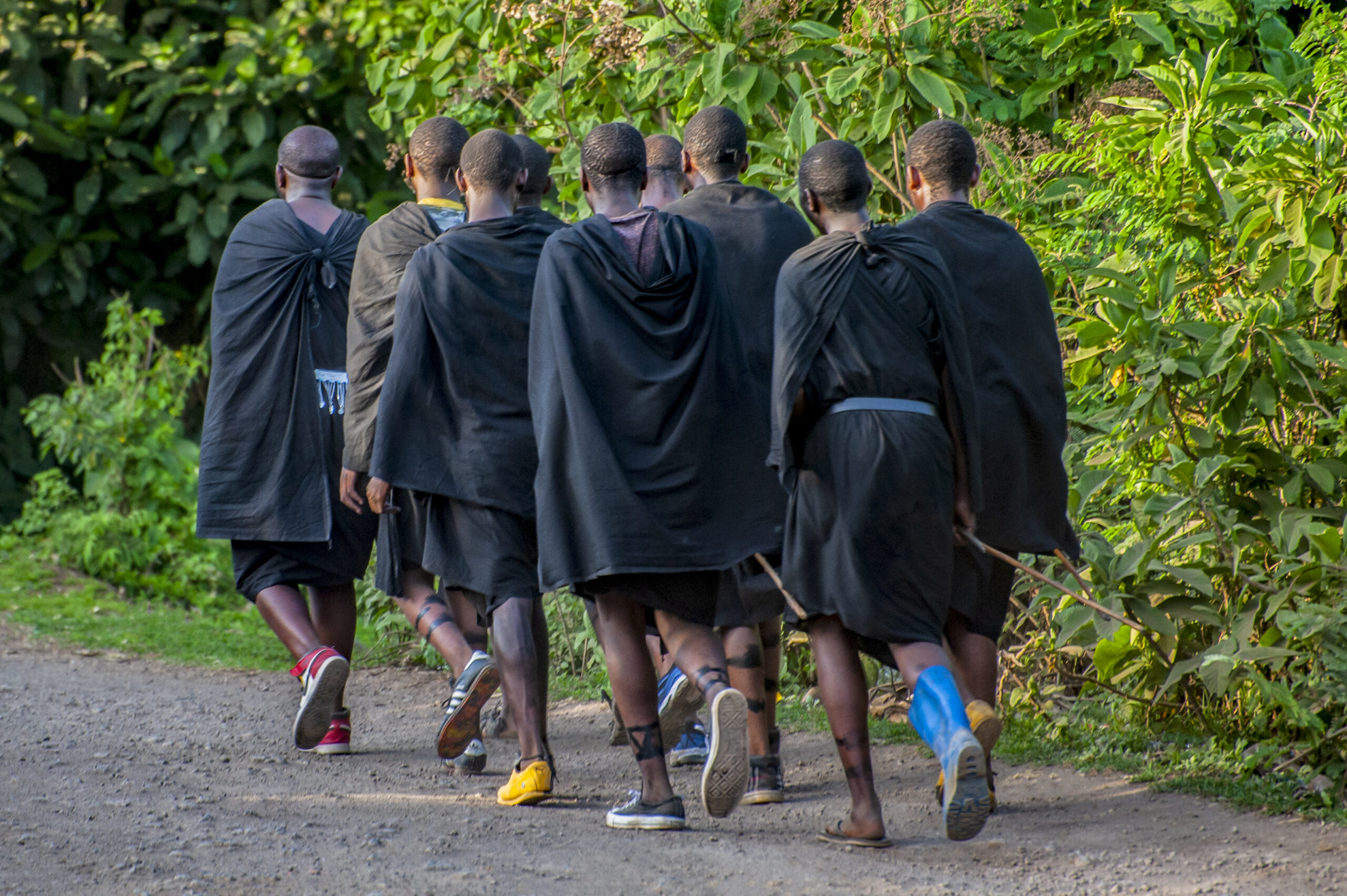
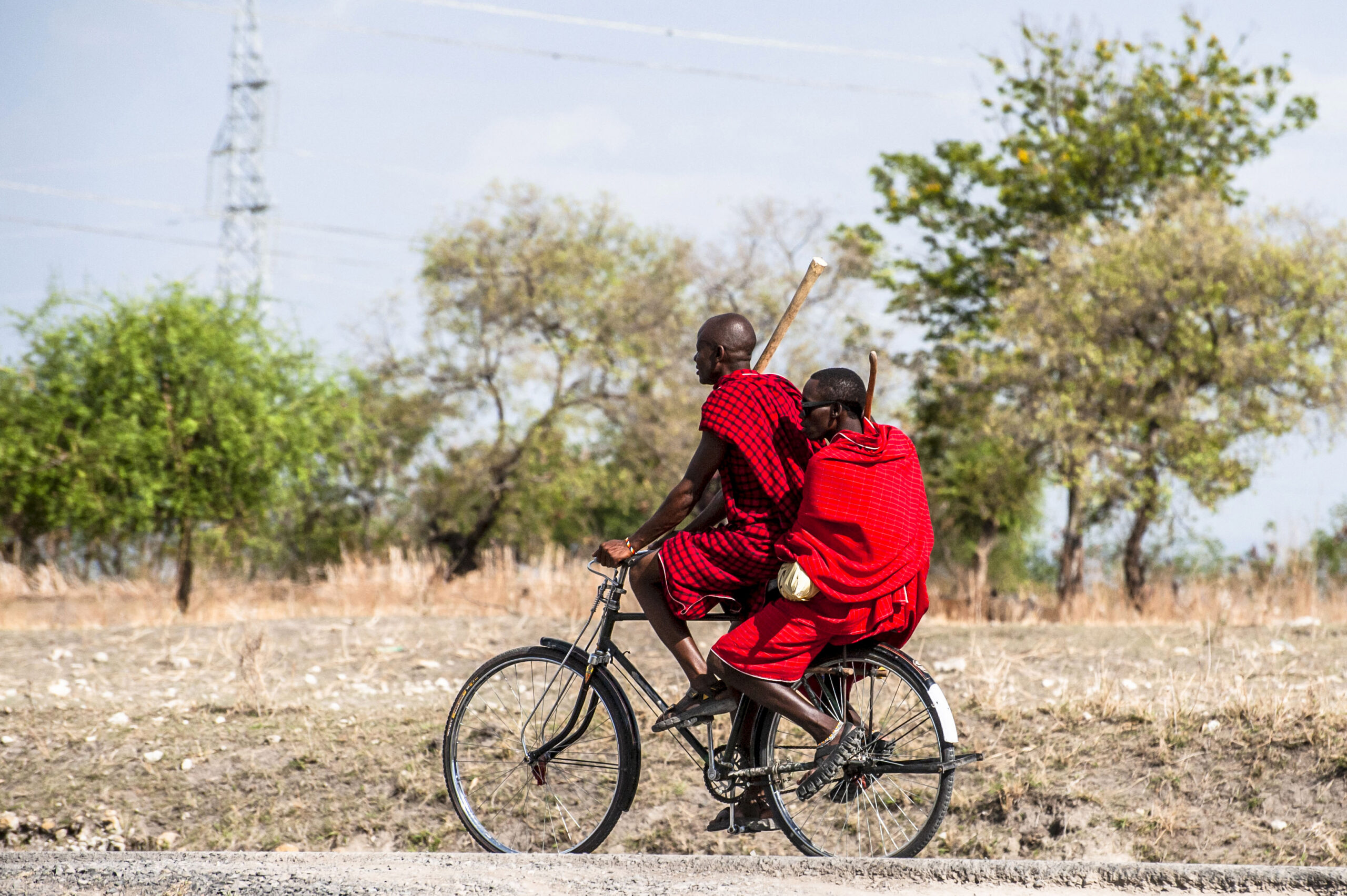
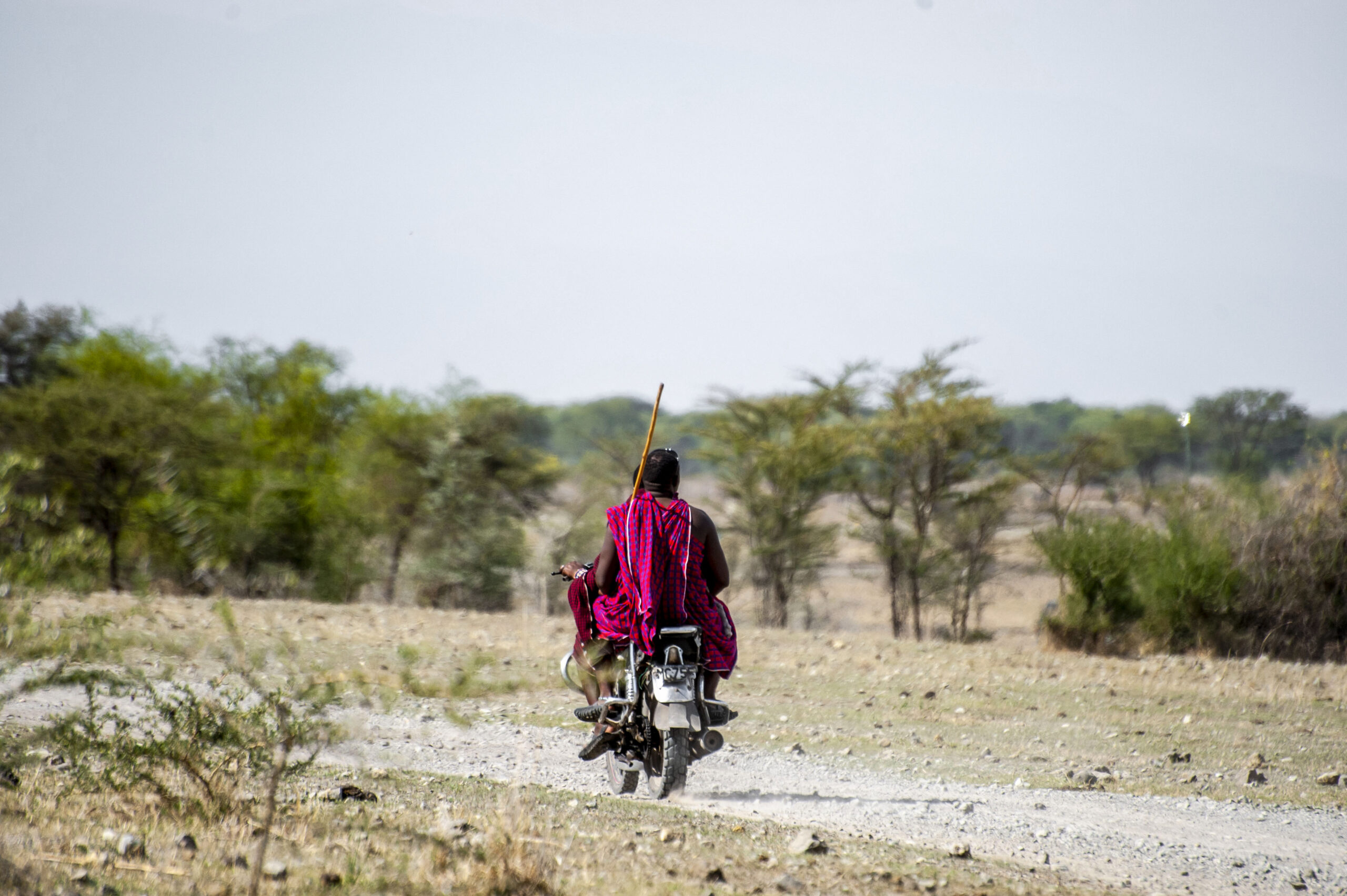
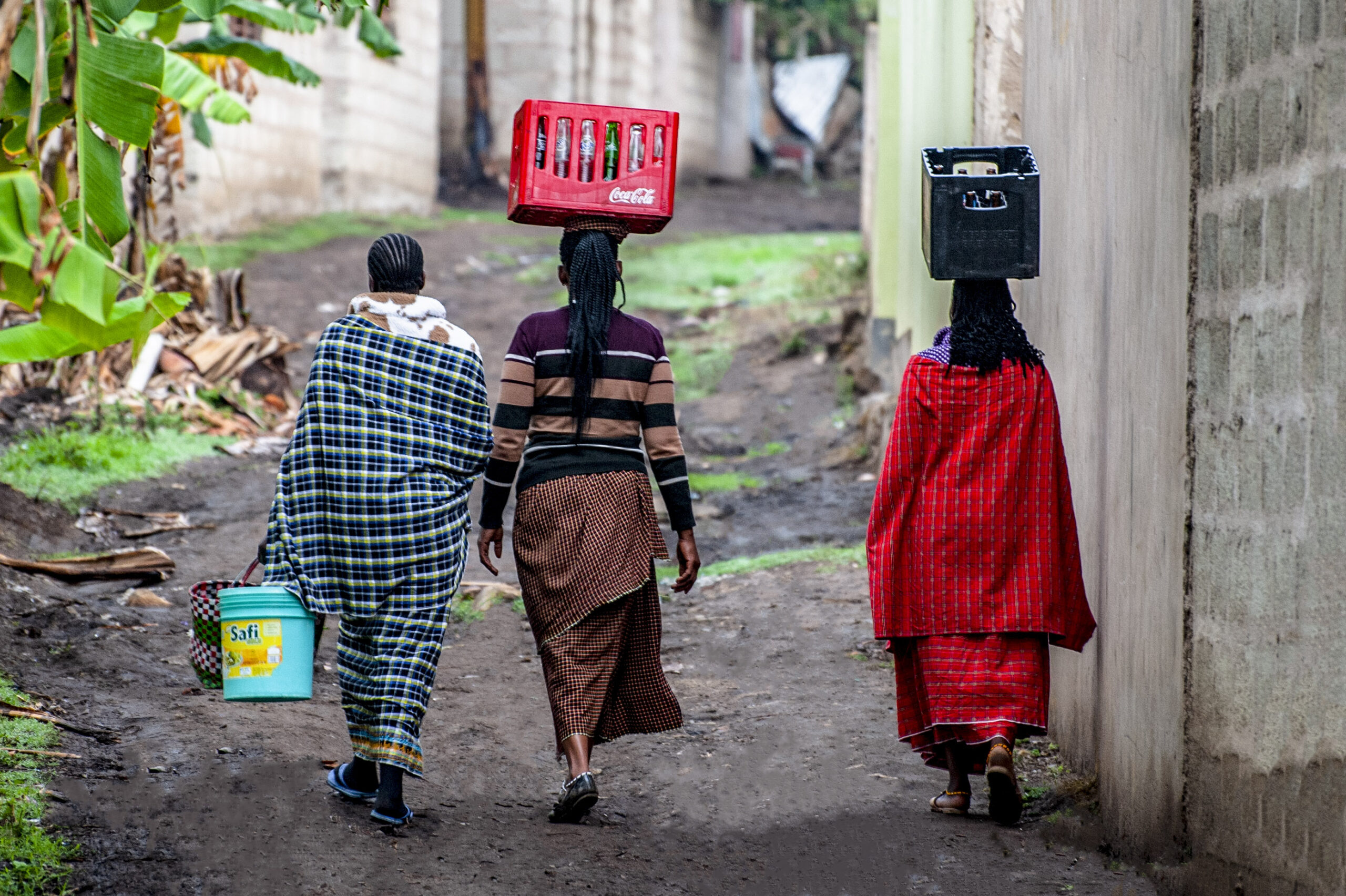
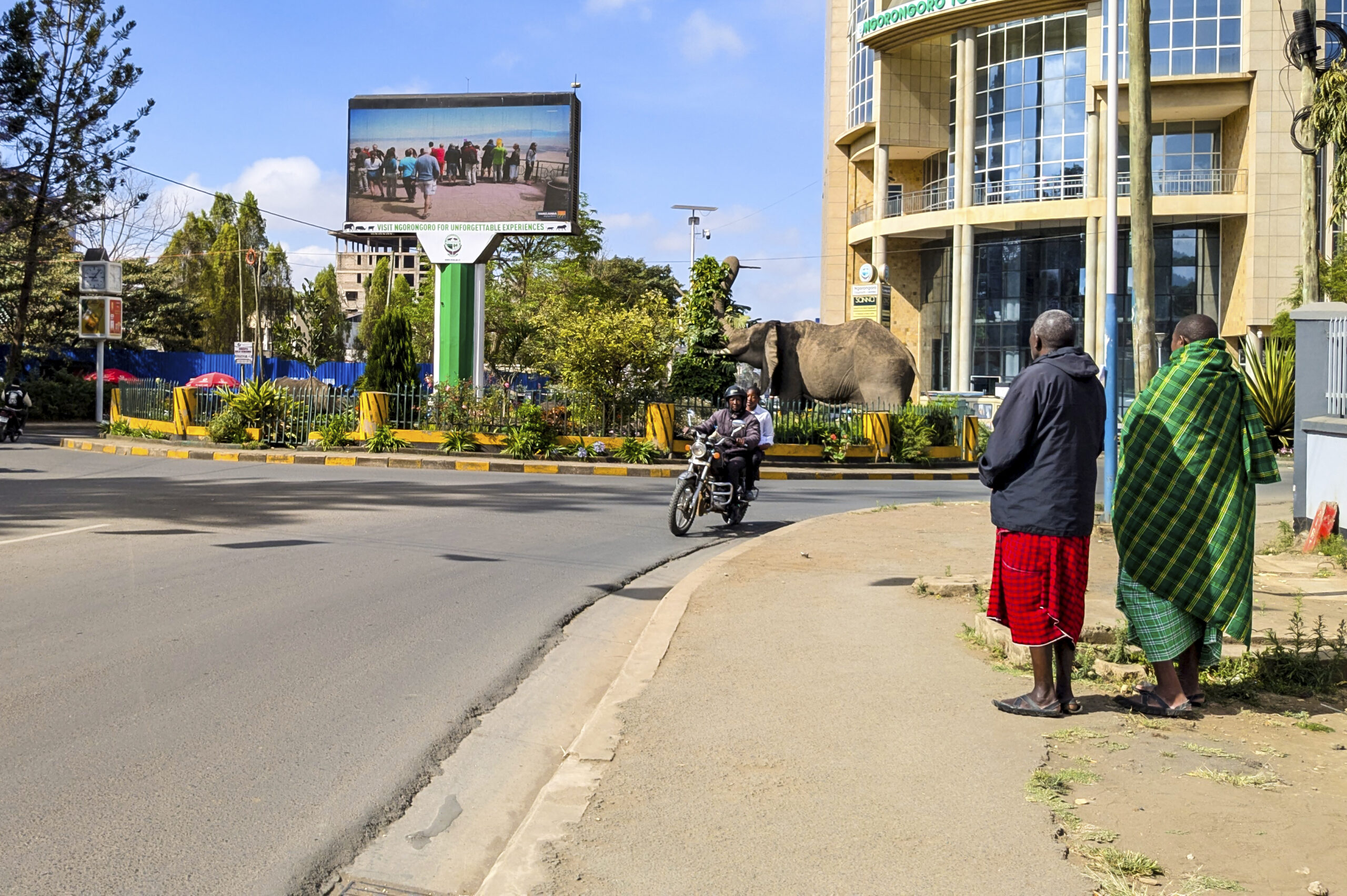
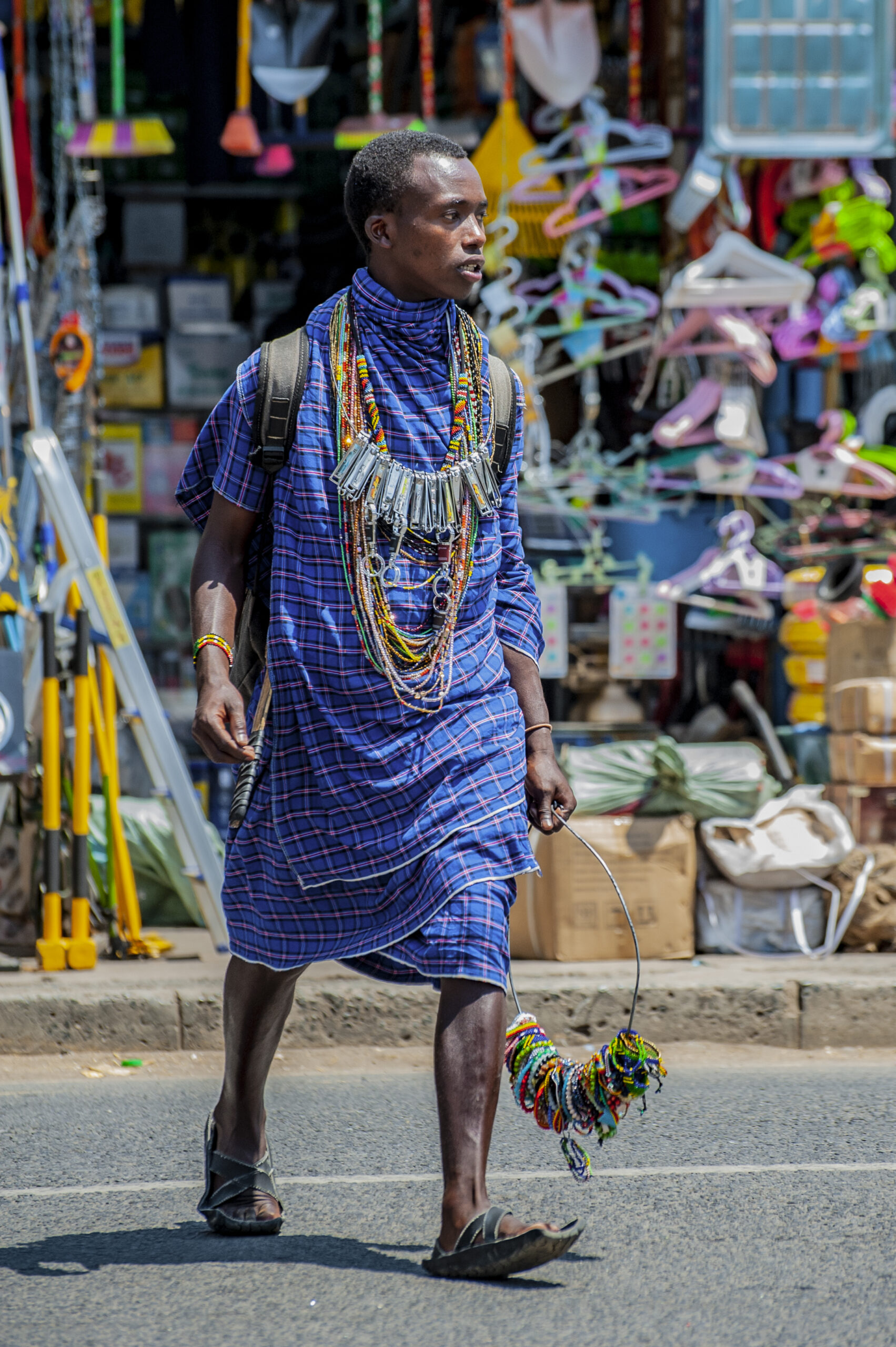
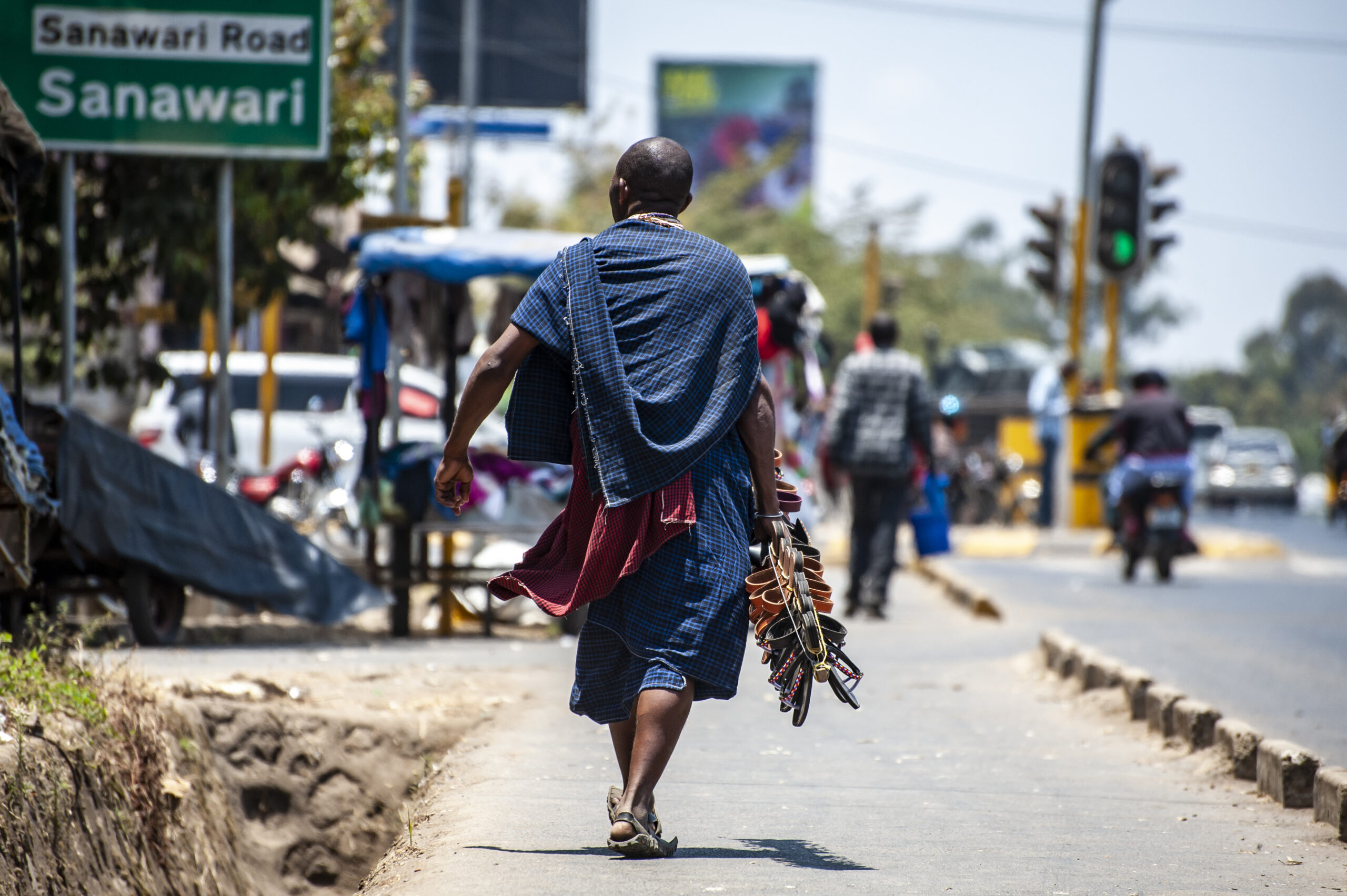
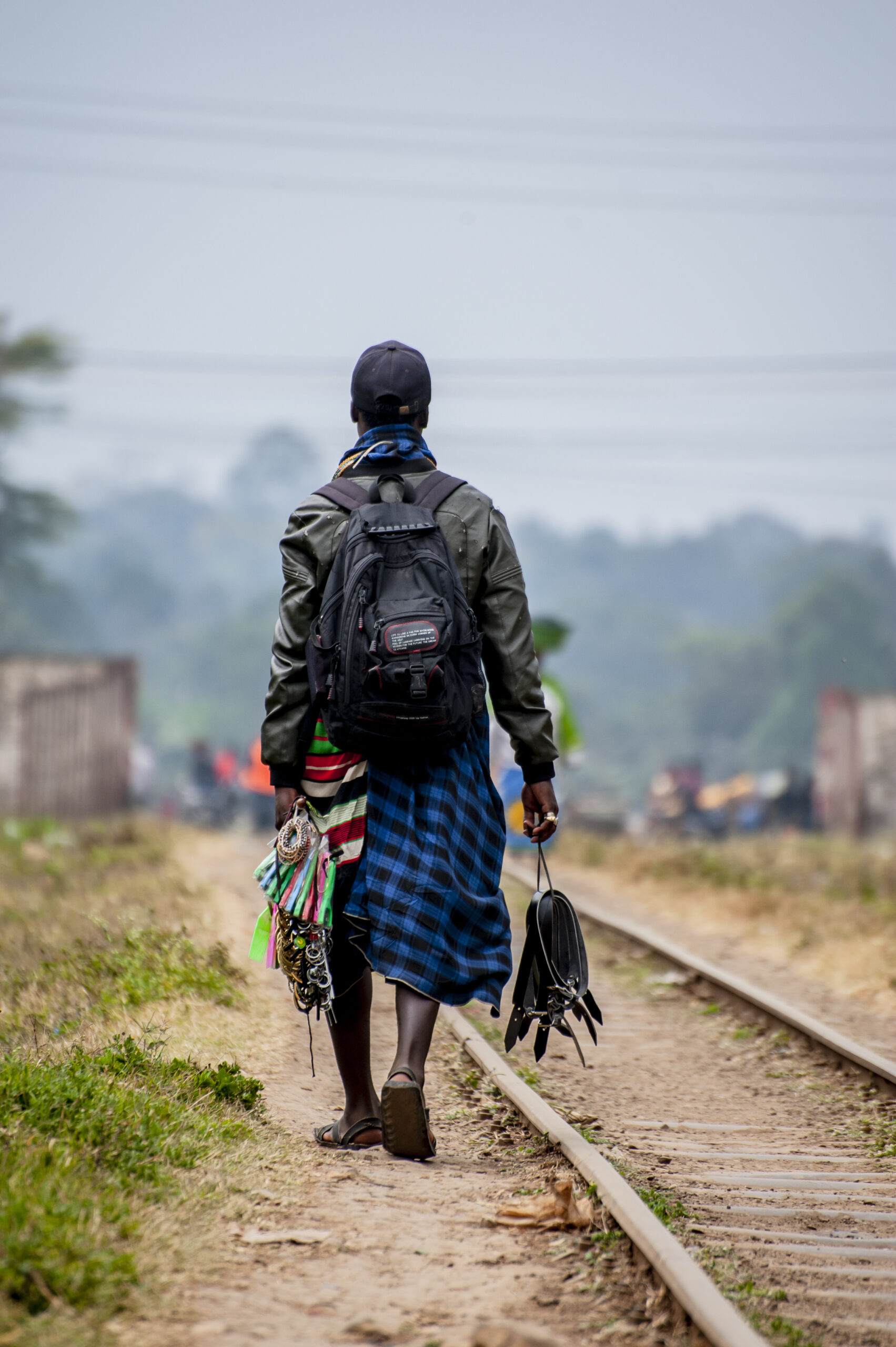
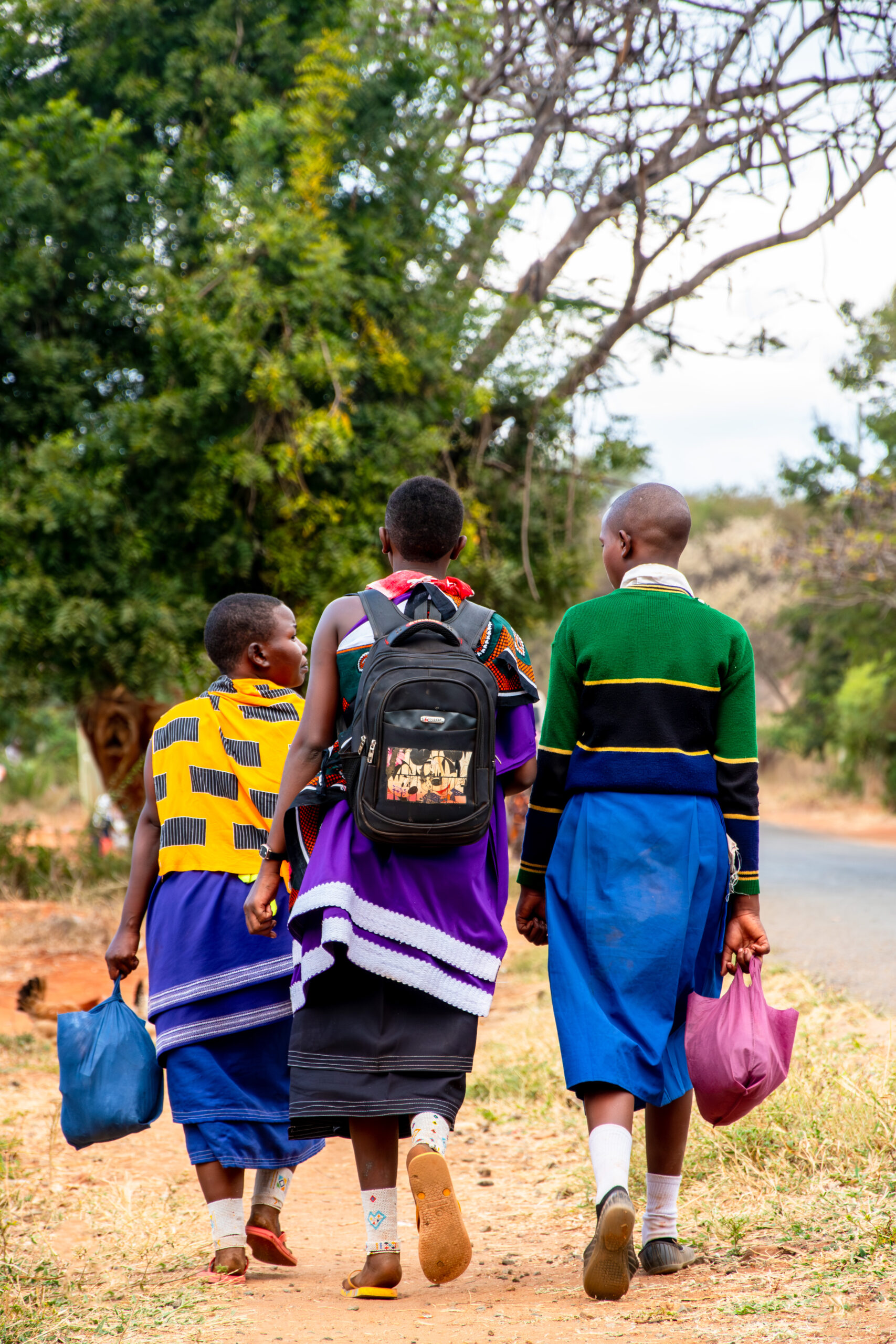
ENKARNA, meaning identity in Maa, is a photographic series exploring what it means to be Maasai in contemporary Tanzania. The project looks beyond familiar representations of Maasai culture and follows how identity is expressed, maintained, and transformed as people move through different social and cultural environments.
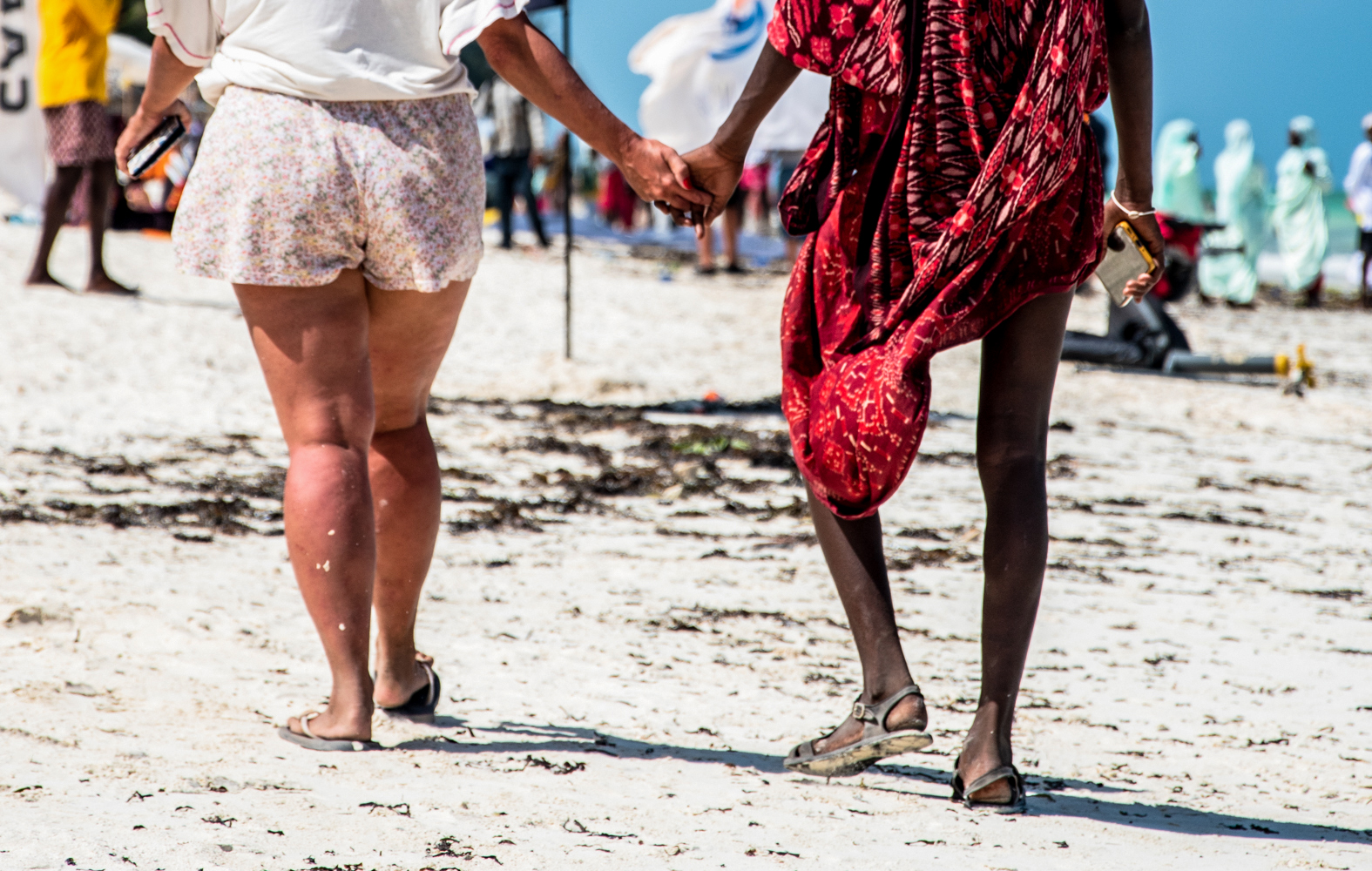
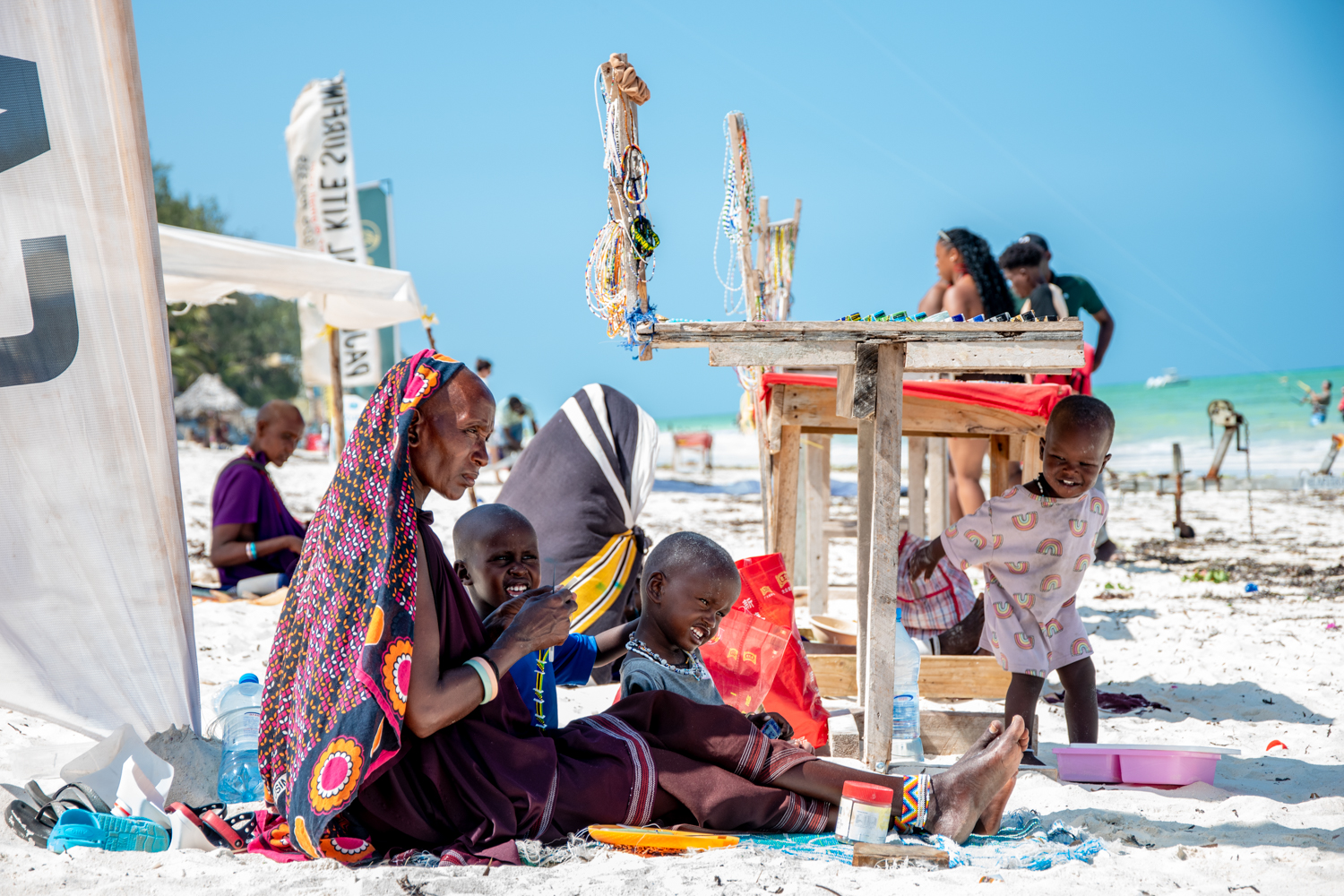
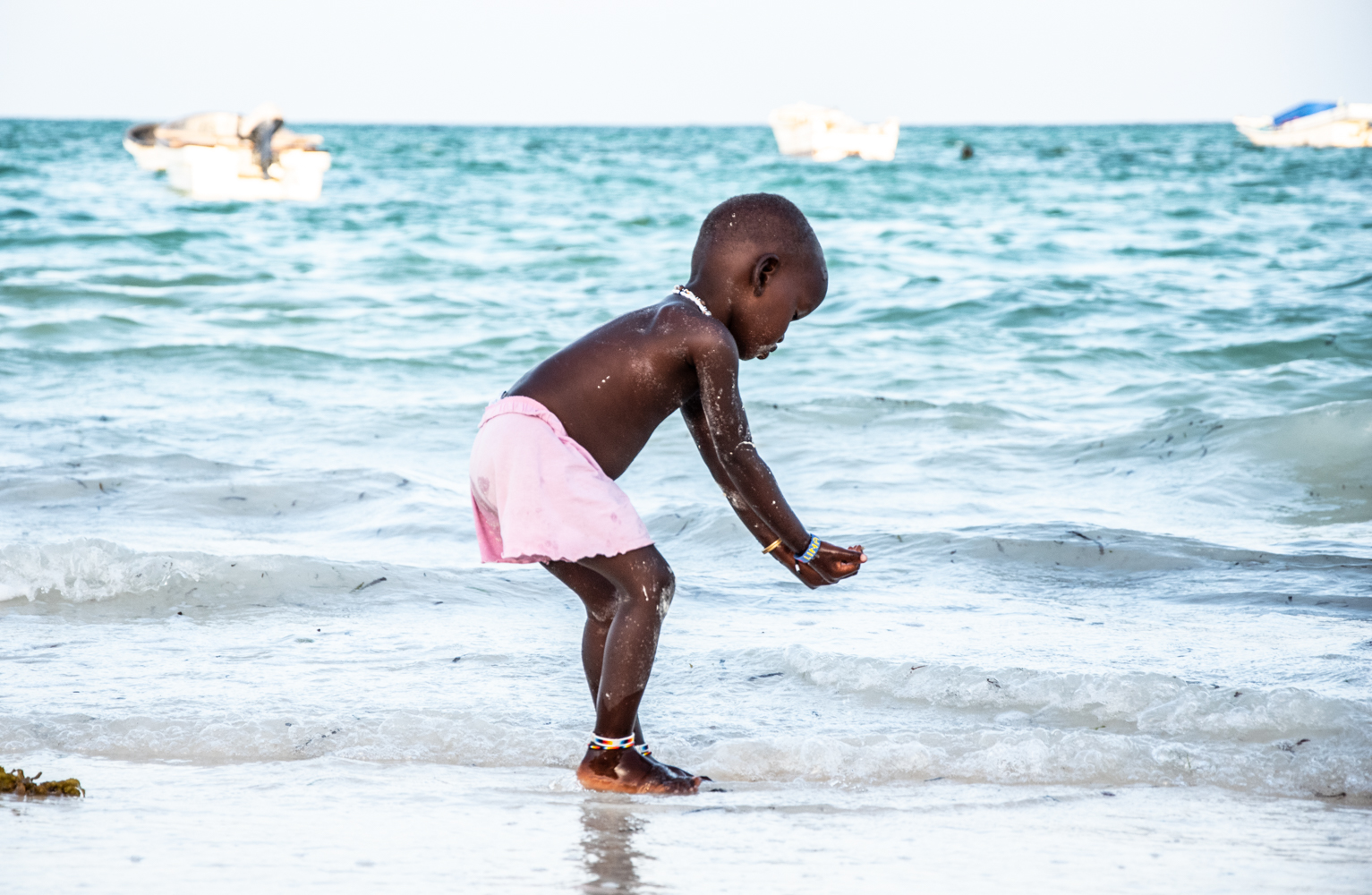
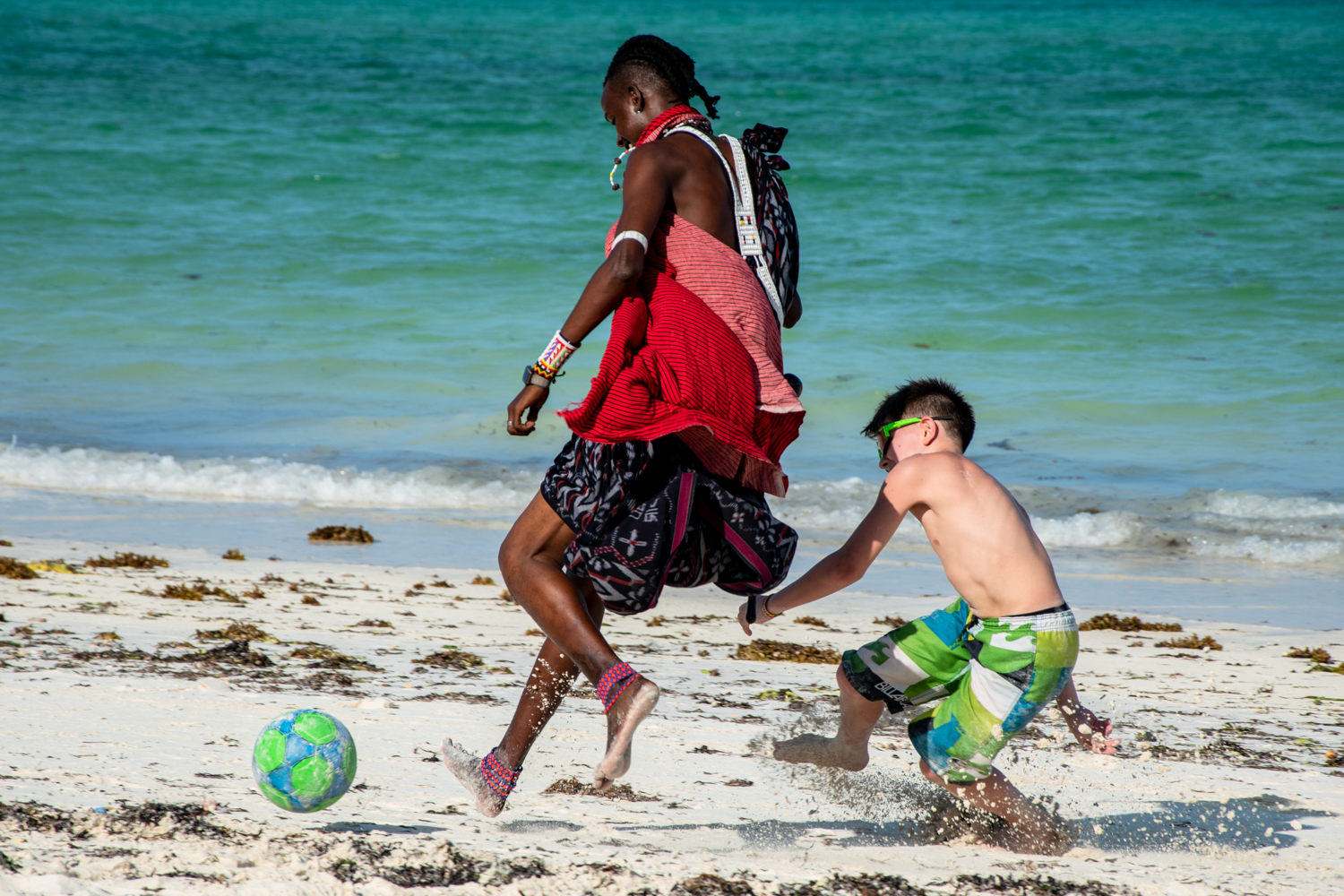
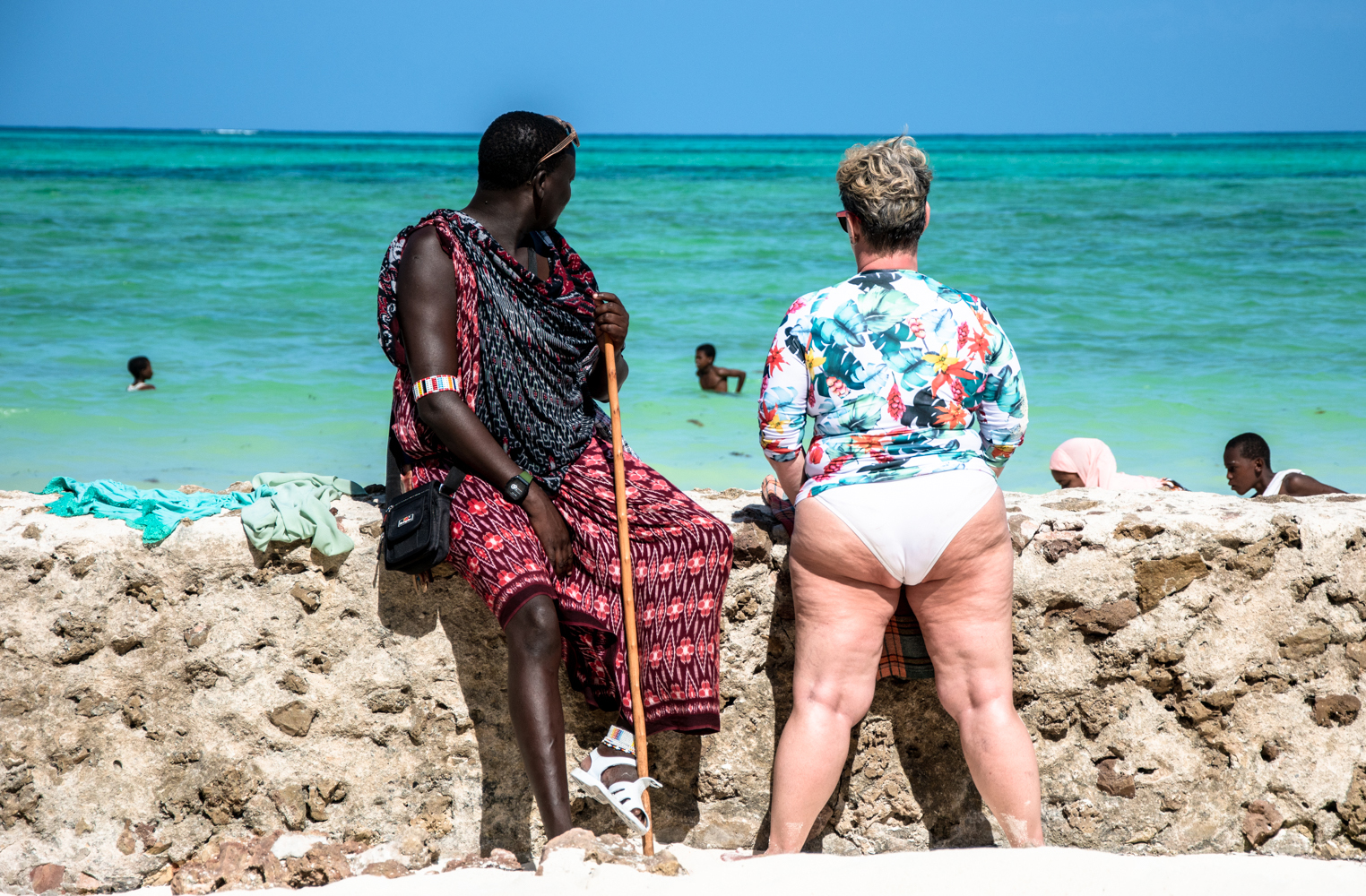
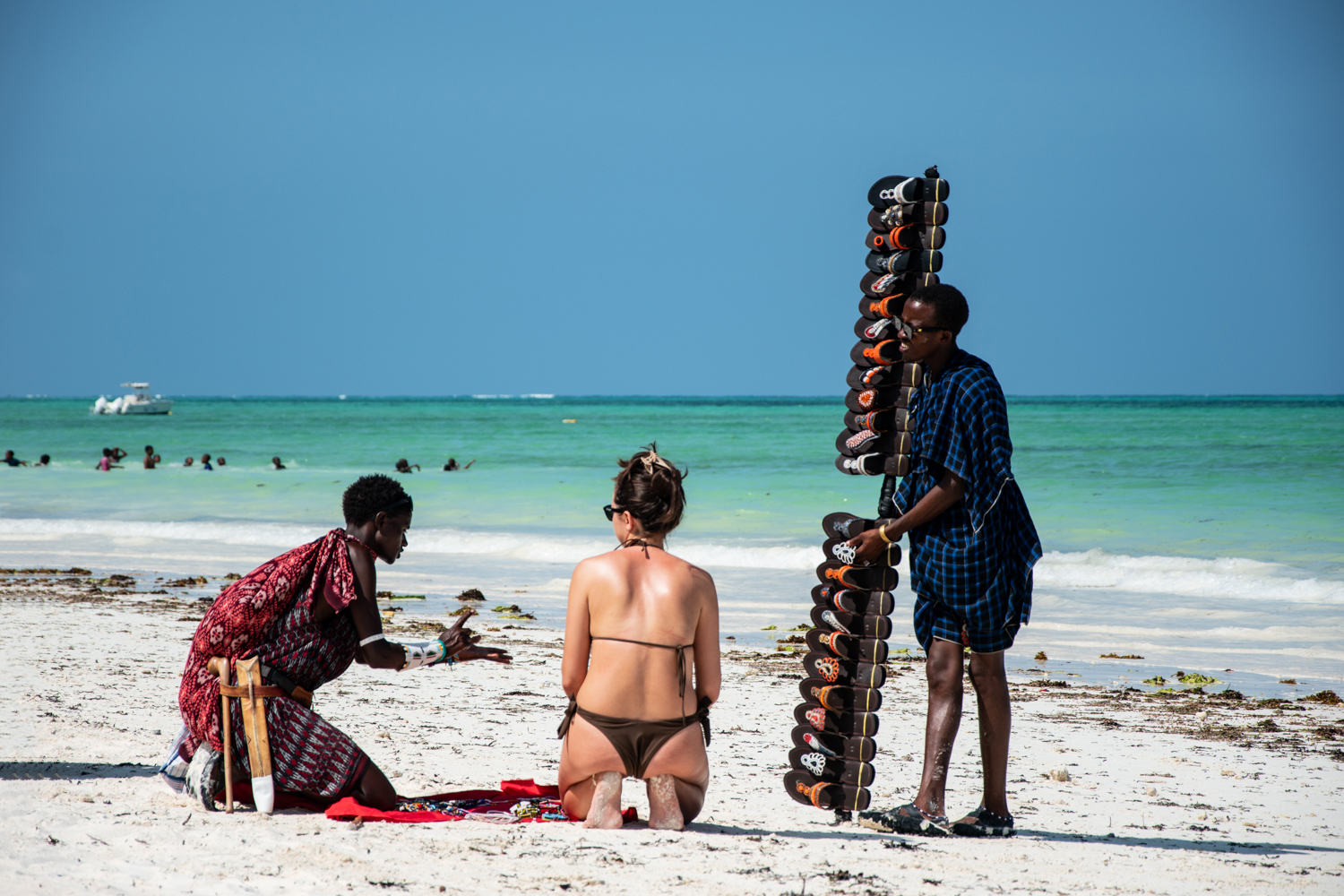
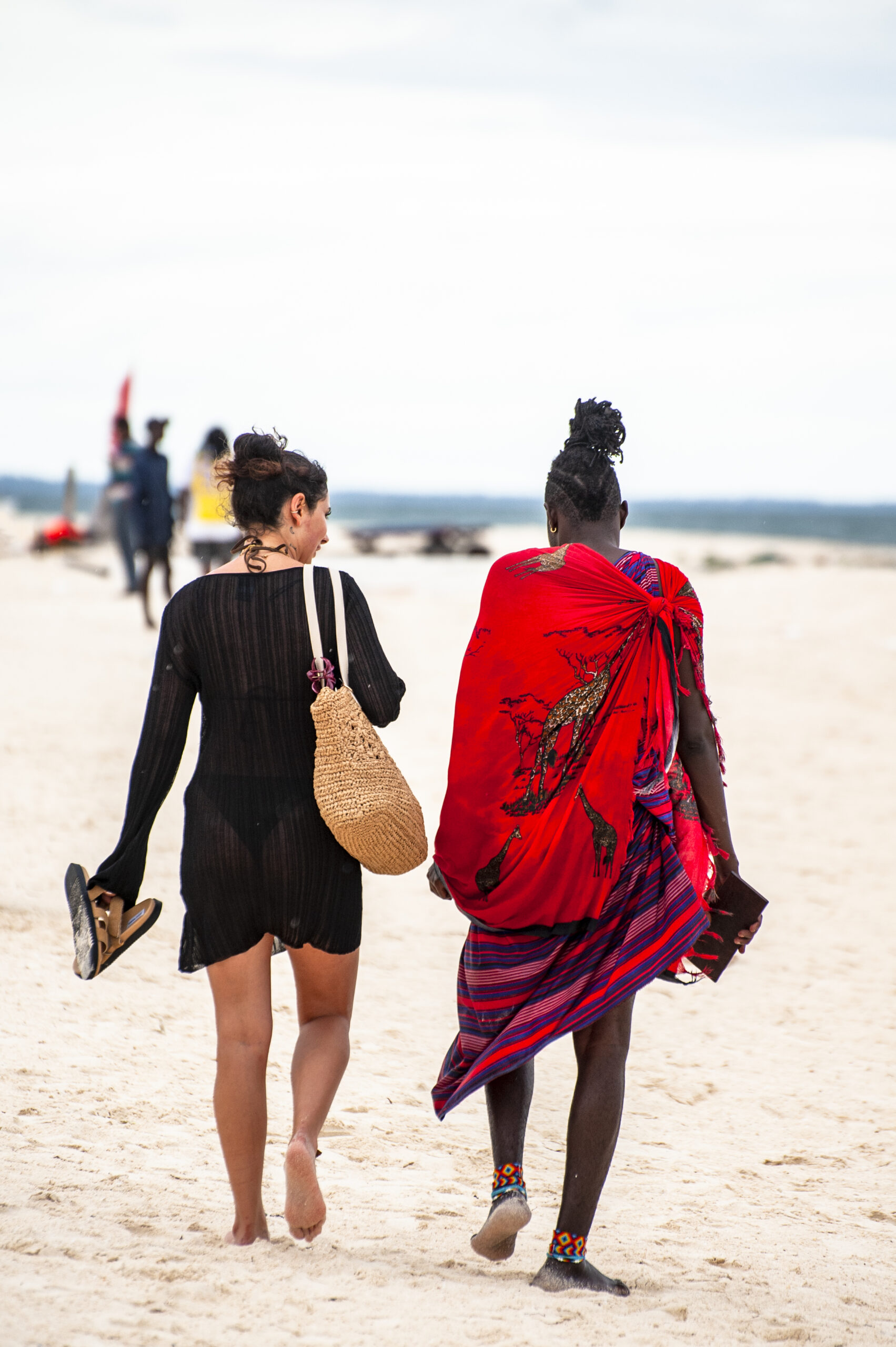
The series is photographed in Arusha on the Tanzanian mainland and Zanzibar, two places that offer very different environments for understanding contemporary Maasai identity. Arusha is closely connected to Maasai communities and traditions, while also being a growing urban centre shaped by education, tourism, business, migration, and modern lifestyles. Zanzibar, on the other hand, provides a different cultural and geographical setting, where Maasai people can be encountered as workers, traders, performers, and members of a wider and diverse community. Moving between these two locations allows me to observe how identity can remain connected to cultural roots while adapting to new places and circumstances.
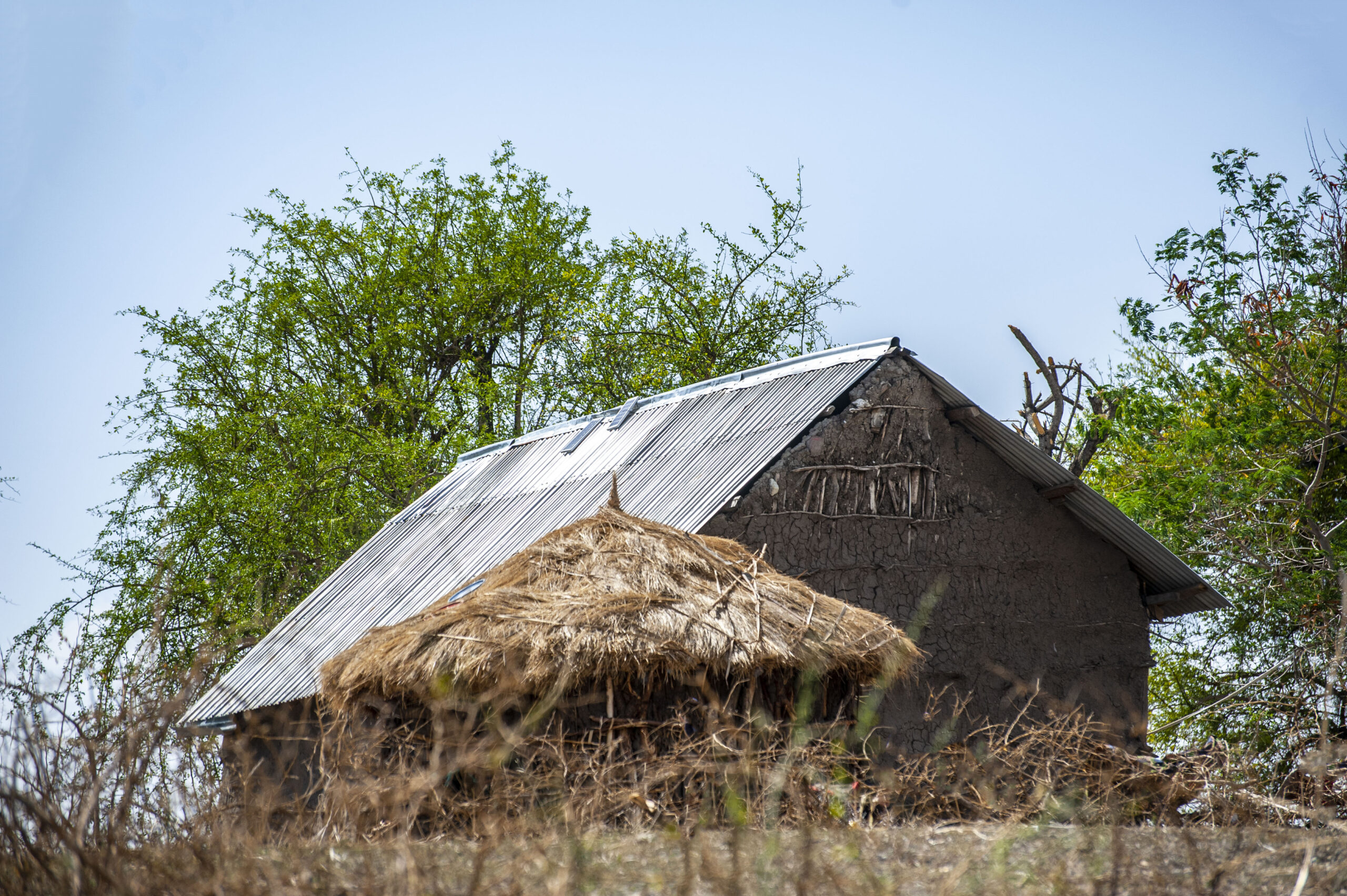
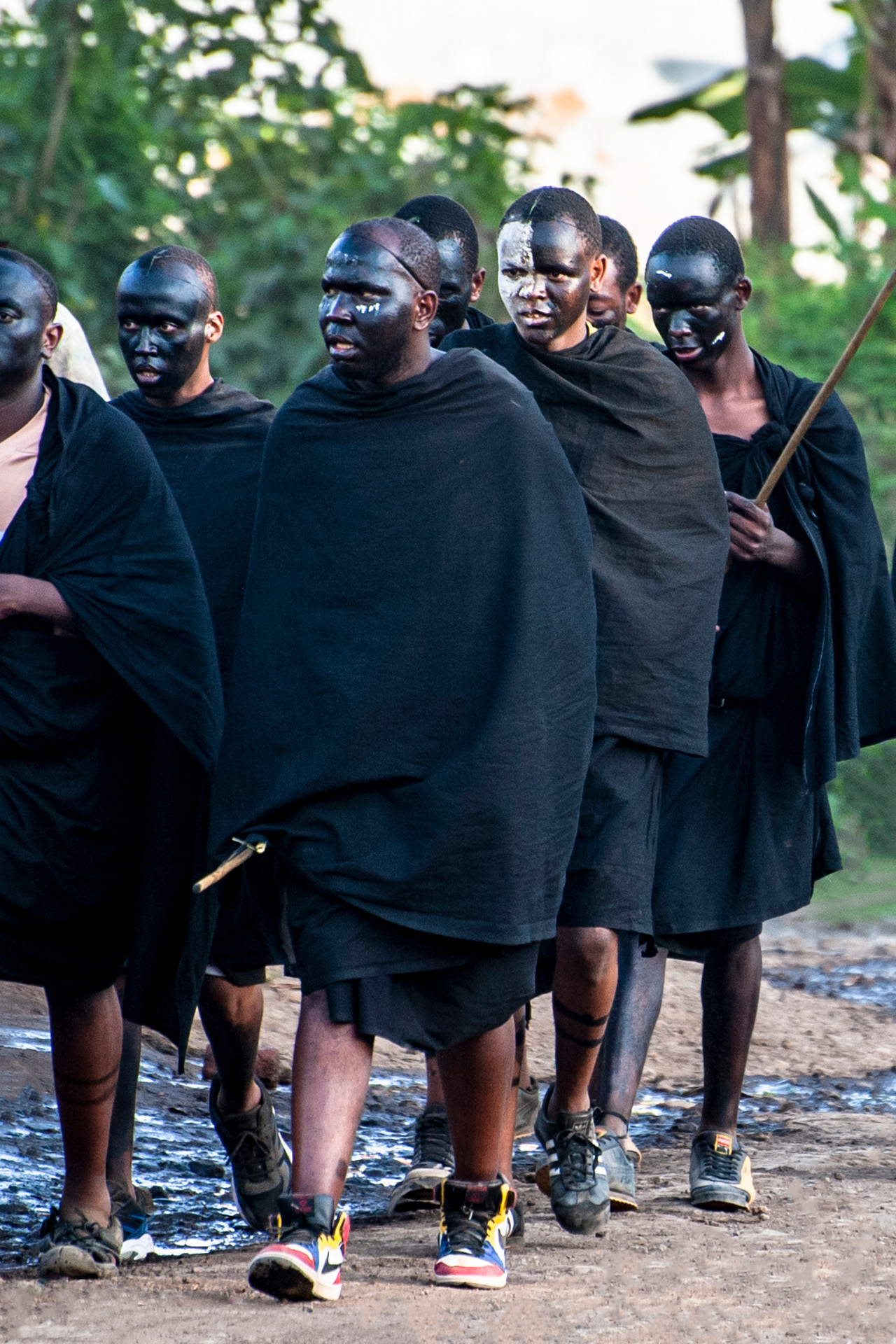
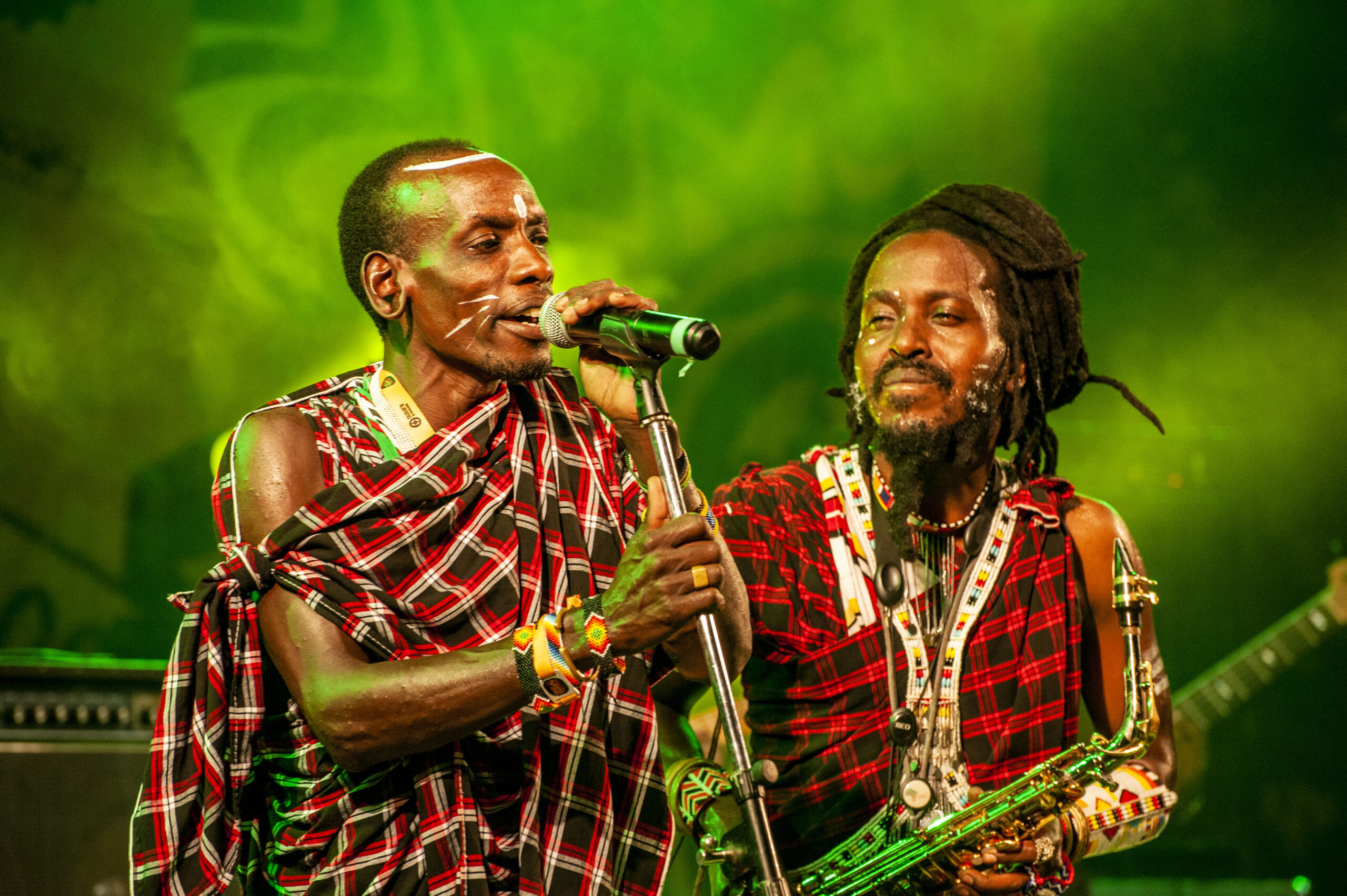
Through portraits, everyday scenes, landscapes, and quiet details, I document Maasai people in different situations: at home, at work, in public spaces, in traditional environments, and within urban life. I am interested in the small choices and everyday moments through which people express who they are.
ENKARNA is not an attempt to define what Maasai identity should look like. Instead, it asks how identity changes when people move between tradition and contemporary life. A person can carry cultural values and traditions while also building a modern life shaped by education, employment, technology, travel, and urbanisation.
The project also responds to the way Maasai people have often been represented through photography. Images of Maasai communities frequently focus on ceremonies, traditional clothing, and an idea of an unchanging past. With ENKARNA, I want to move beyond this familiar representation and show a more personal and contemporary reality.
The photographs bring together moments of continuity and change, belonging and movement, tradition and adaptation. By placing Arusha and Zanzibar within the same visual narrative, the series explores how identity can travel with people and take on new meanings in different environments.
ENKARNA is ultimately a story about identity in motion, about people carrying their history while creating their place in the present.
PNSELMA2026-Nadhir-Rashidi-01.jpg
PNSELMA2026-Nadhir-Rashidi-02.jpg
PNSELMA2026-Nadhir-Rashidi-03.jpg
PNSELMA2026-Nadhir-Rashidi-04.jpg
PNSELMA2026-Nadhir-Rashidi-05.JPG
PNSELMA2026-Nadhir-Rashidi-06.jpg
PNSELMA2026-Nadhir-Rashidi-07.jpg
PNSELMA2026-Nadhir-Rashidi-08.jpg
PNSELMA2026-Nadhir-Rashidi-09.jpg
PNSELMA2026-Nadhir-Rashidi-10.jpg
PNSELMA2026-Nadhir-Rashidi-11.jpg
PNSELMA2026-Nadhir-Rashidi-12.jpg
PNSELMA2026-Nadhir-Rashidi-13.jpg
PNSELMA2026-Nadhir-Rashidi-14.jpg

PNSELMA2026-Nadhir-Rashidi-15.jpg
PNSELMA2026-Nadhir-Rashidi-16.jpg
PNSELMA2026-Nadhir-Rashidi-17.jpg
PNSELMA2026-Nadhir-Rashidi-18.jpg
PNSELMA2026-Nadhir-Rashidi-19.jpg